
 English
  русский
  Español
  Português
 Call us
+86-511-84522866

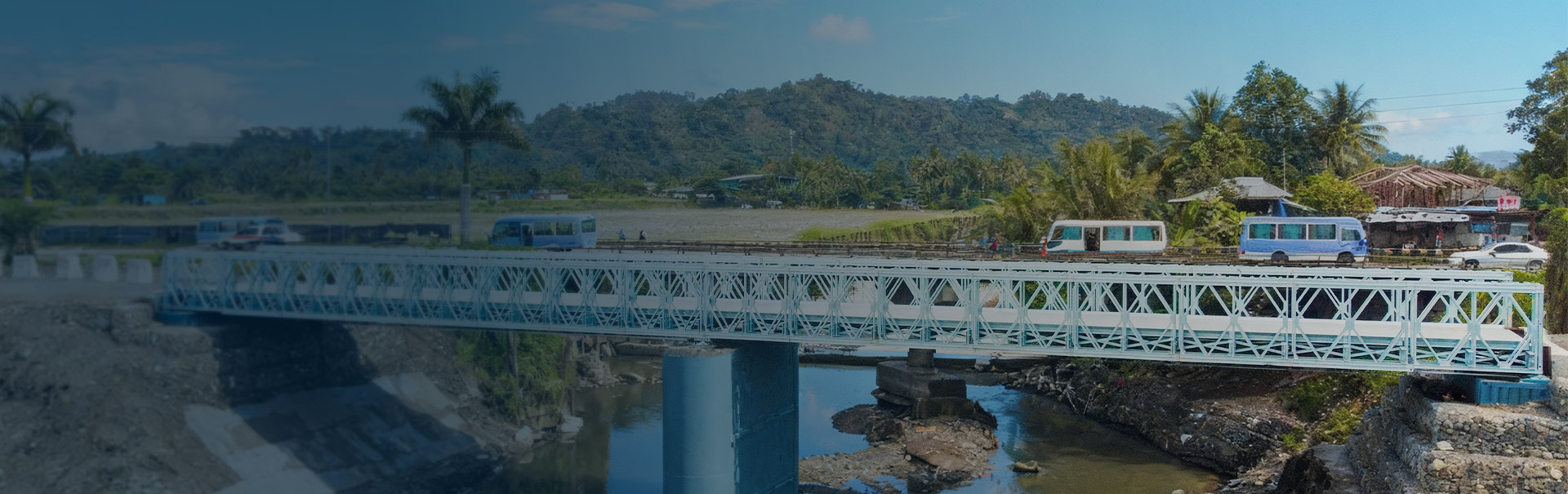
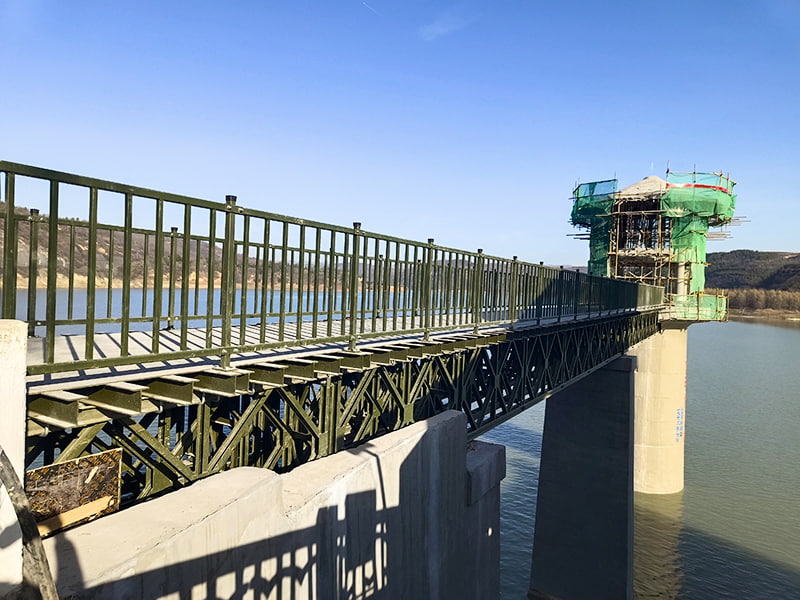

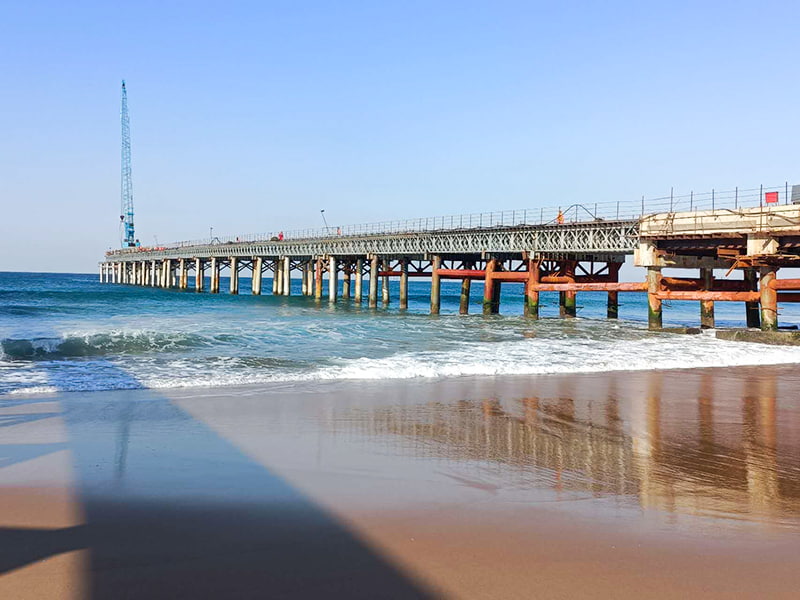
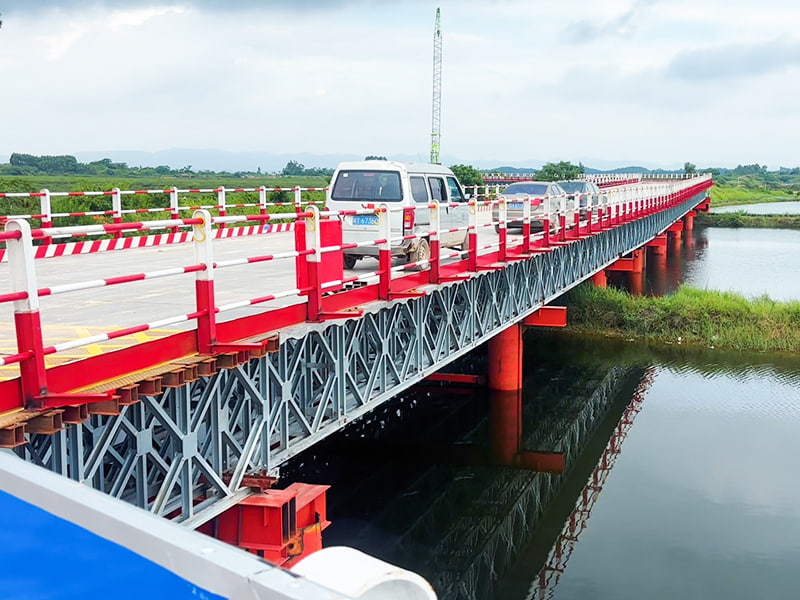
The steel approach bridge serves as the connecting bridge between the main bridge and the land, with its primary design goals being to ensure connectivity, terrain adaptability, and ease of construction. This approach bridge is designed to adapt flexibly to different terrain conditions (such as mountains, rivers, or complex landscapes), ensuring a seamless connection with the main bridge and maintaining smooth and safe traffic flow. At the same time, the steel approach bridge design takes into account the load standards of the main bridge, ensuring the overall bridge system's load capacity and structural stability. In terms of construction, the steel approach bridge adopts a modular design, making it easy to assemble and build, significantly reducing construction time and complexity. Additionally, its high-strength steel material and optimized design allow it to provide long-term, reliable service in various environments, and it is widely used in the transitional sections of large-span bridge projects.
A TRUSTED MANUFACTURER OF MODULAR STEEL BRIDGES



 ZHONGHAI BRIDGES




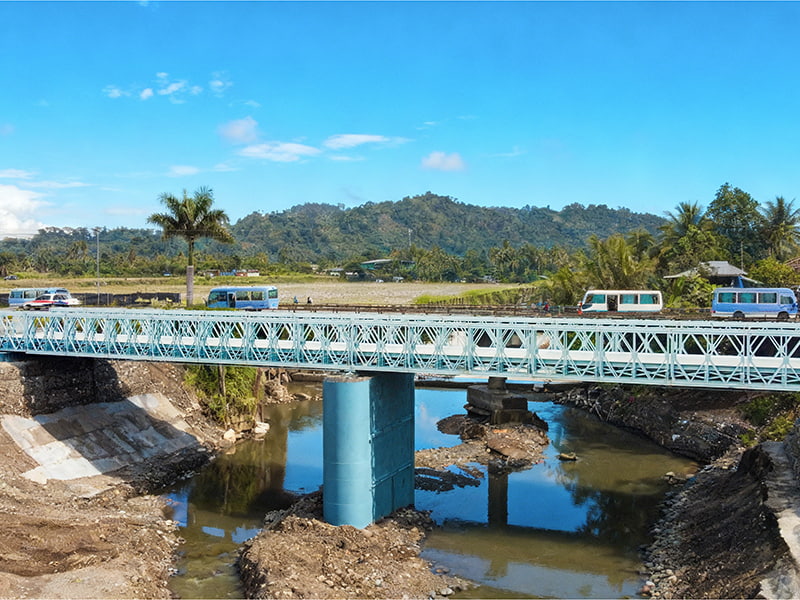
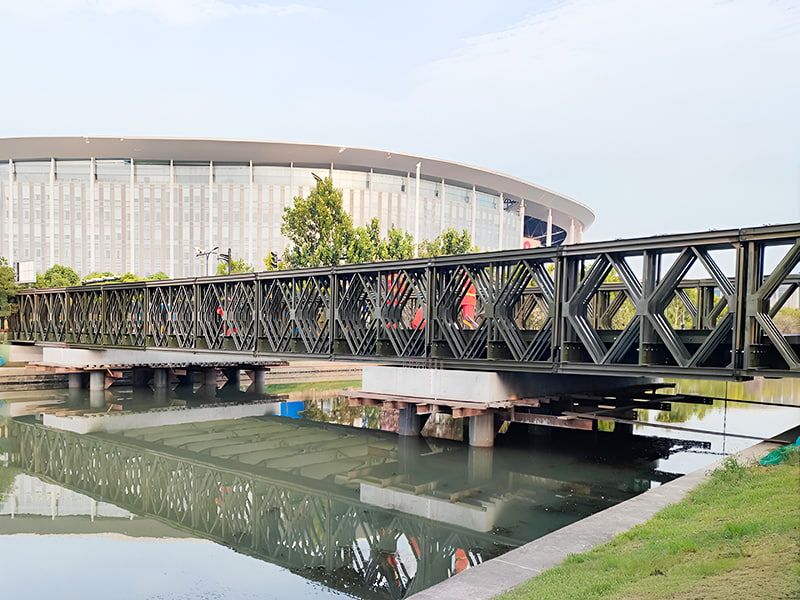
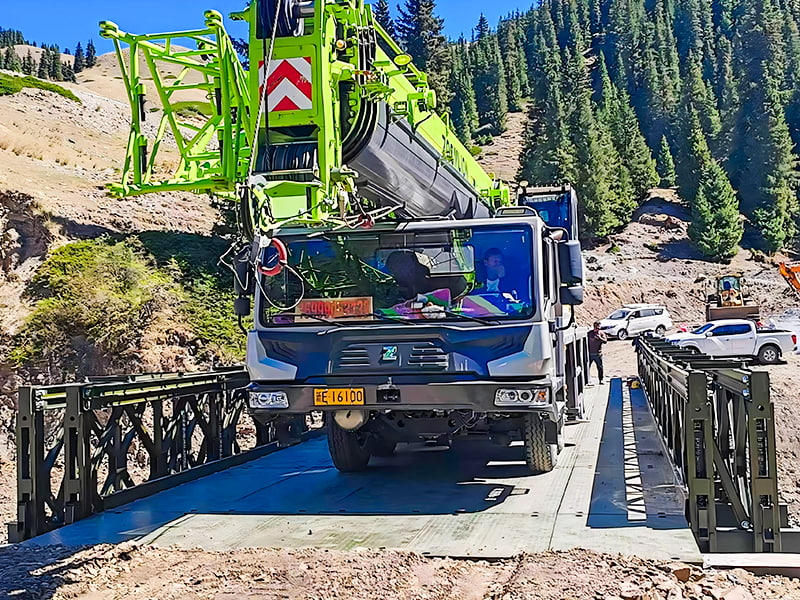
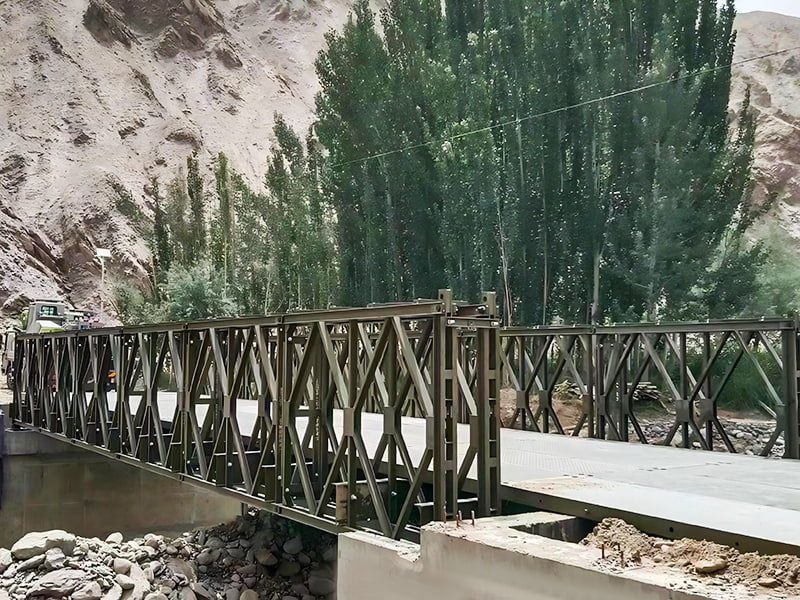
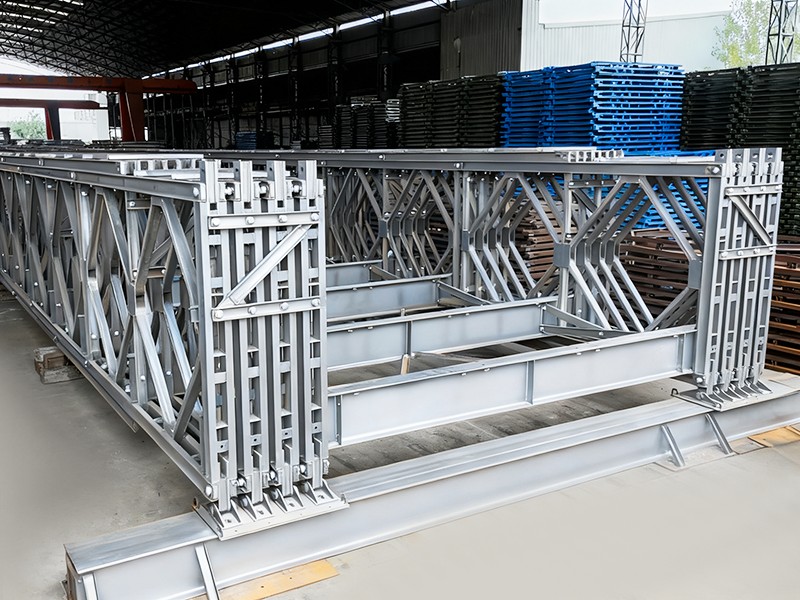
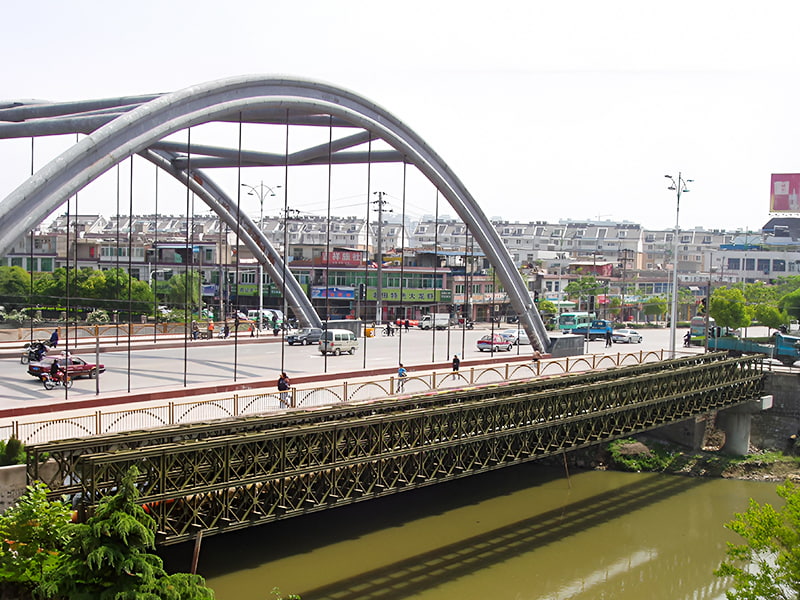
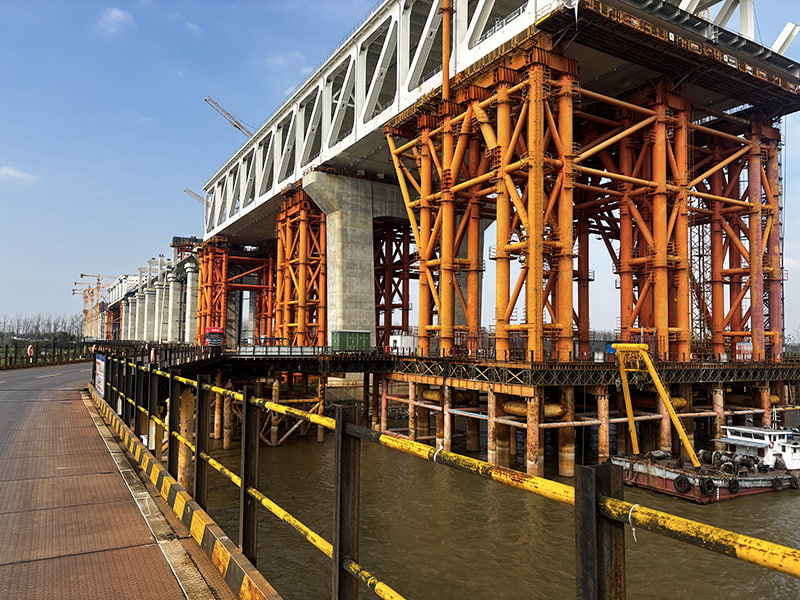
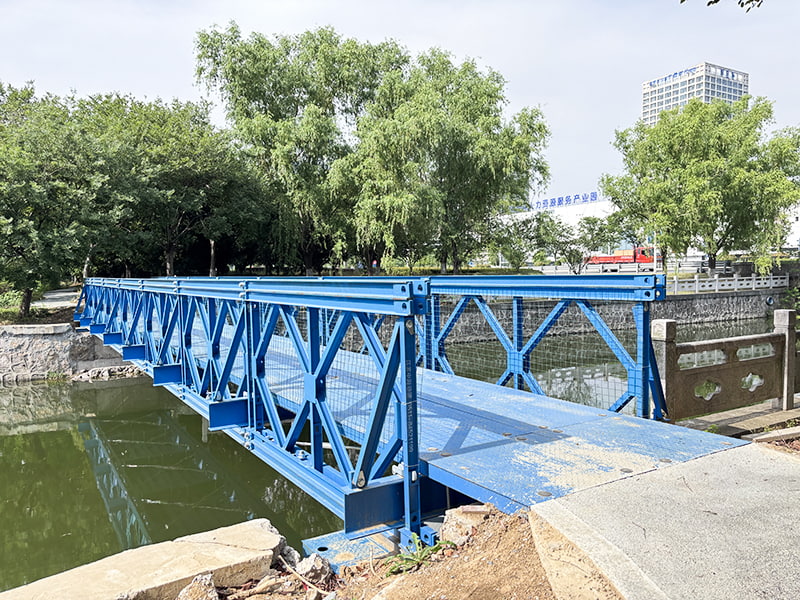
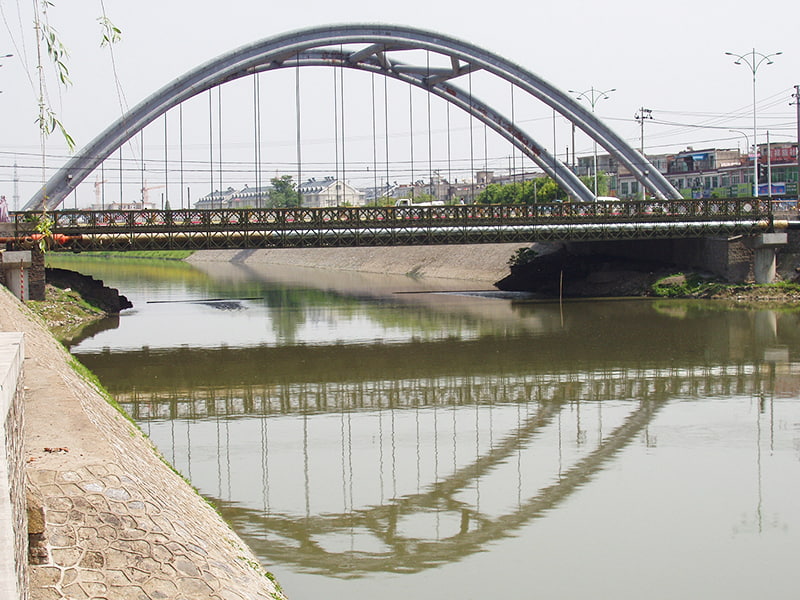
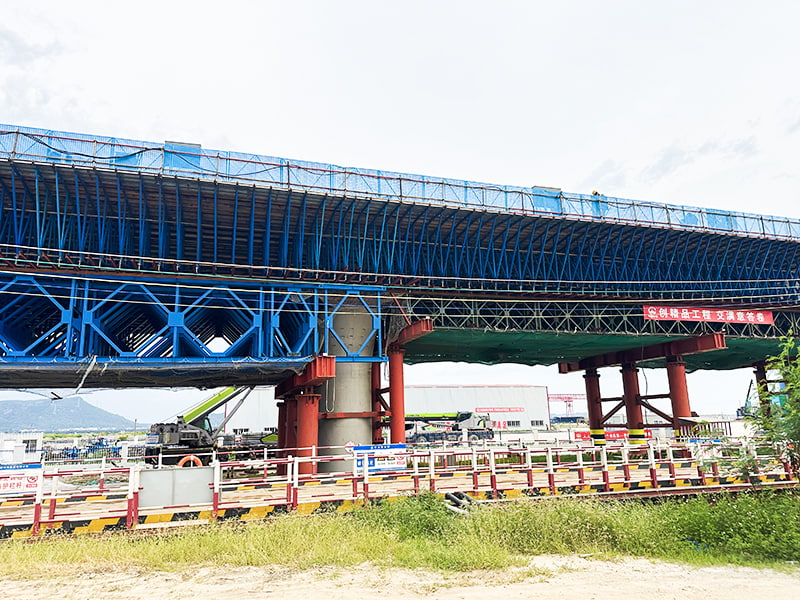
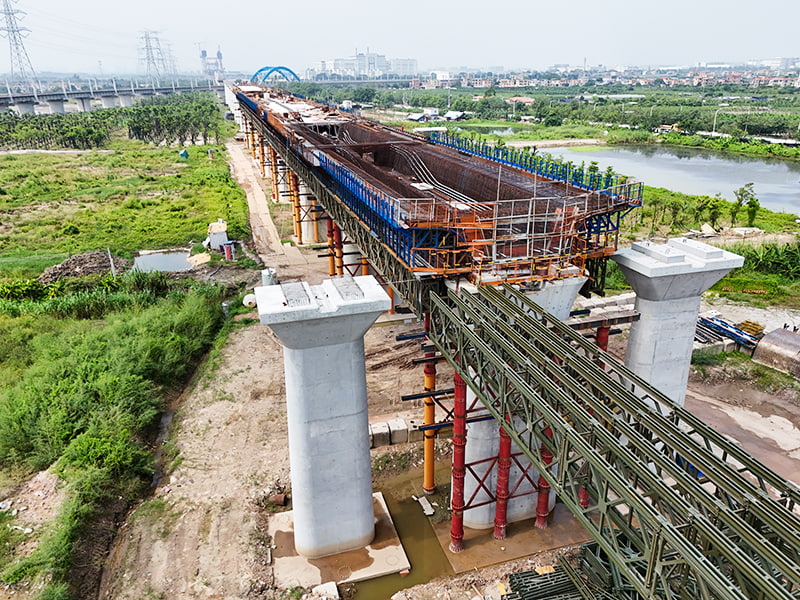
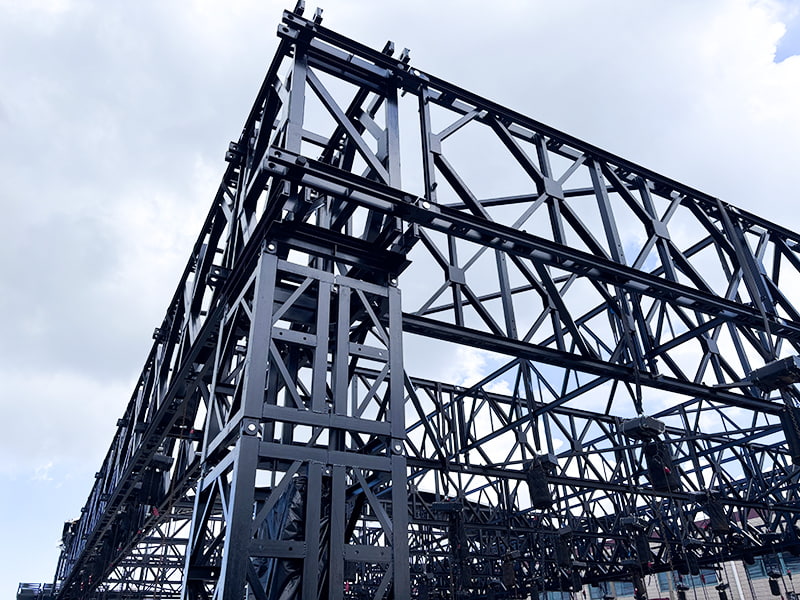
A steel approach bridge is the structural link that carries traffic from solid ground onto the main span of a modular bridge system, absorbing grade changes, distributing live loads onto the abutment, and giving the whole crossing a stable, driveable transition. Because approach spans see repeated wheel loading, uneven backfill settlement, and variable soil conditions, their design draws on a mix of geotechnical judgment and modular steel engineering rather than a single fixed formula. In transportation projects, water conservancy works, military logistics routes, disaster relief deployments, and international development programs, the Steel Approach Bridge functions as the quiet workhorse of the crossing — rarely the headline component, but often the piece that determines whether a bridge opens on schedule and stays serviceable under years of traffic.
An approach span does two jobs at once: it spreads wheel loads across a wider footprint than the roadway surface alone would allow, and it manages the elevation difference between the riverbank, embankment, or existing pavement and the main bridge deck. Panel-to-panel connections, transoms, and stringers work together so that a single axle load is shared across several members instead of concentrating on one point of the backfill. Get that load path wrong and settlement shows up as a dip or a joint that rattles under traffic within a season; get it right and the transition feels seamless to a driver crossing it.
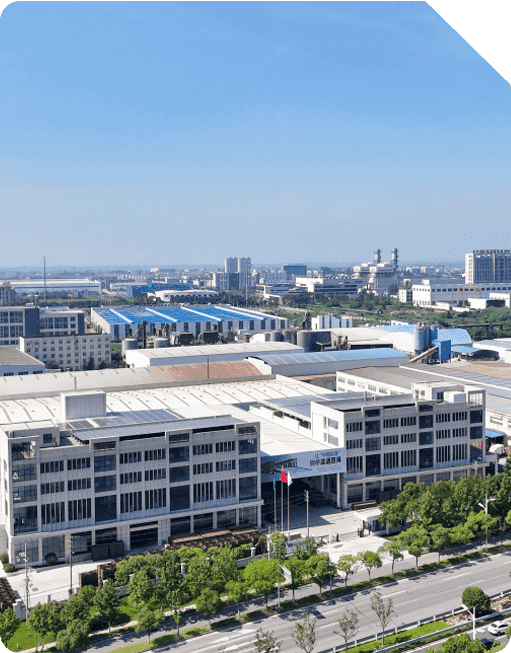
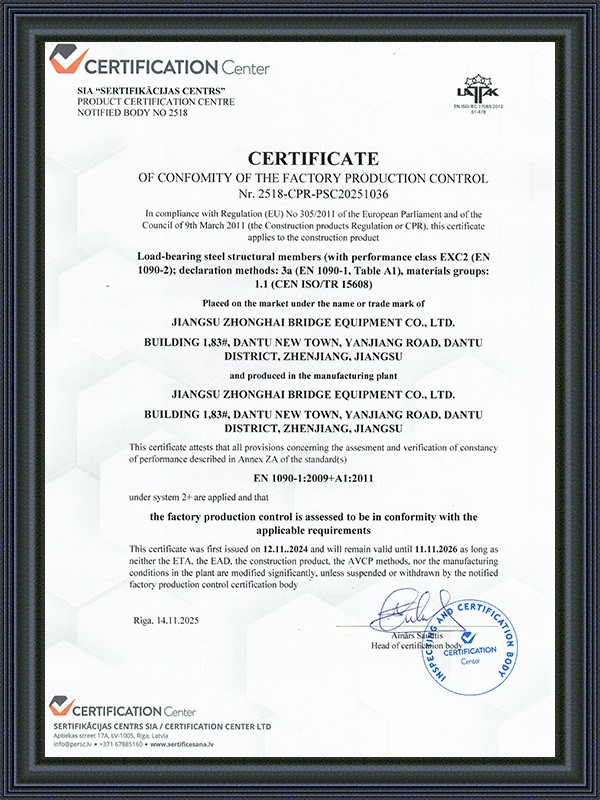
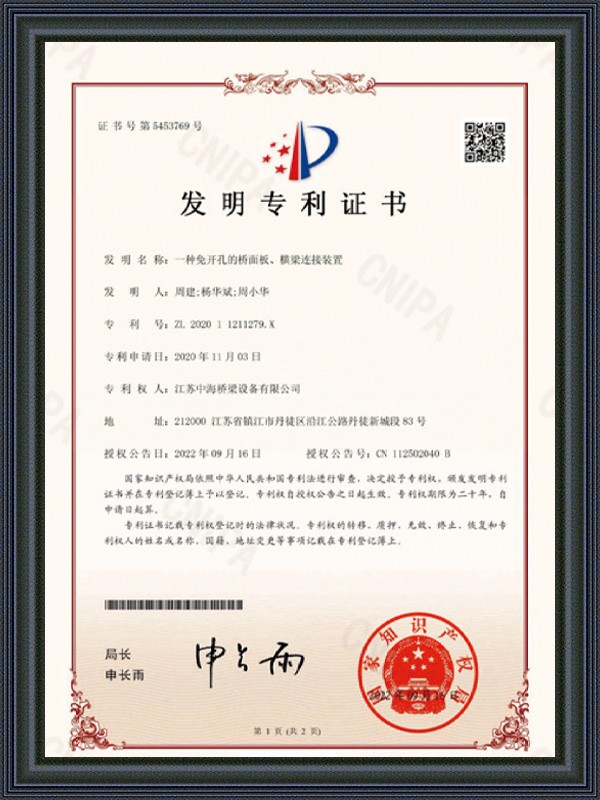
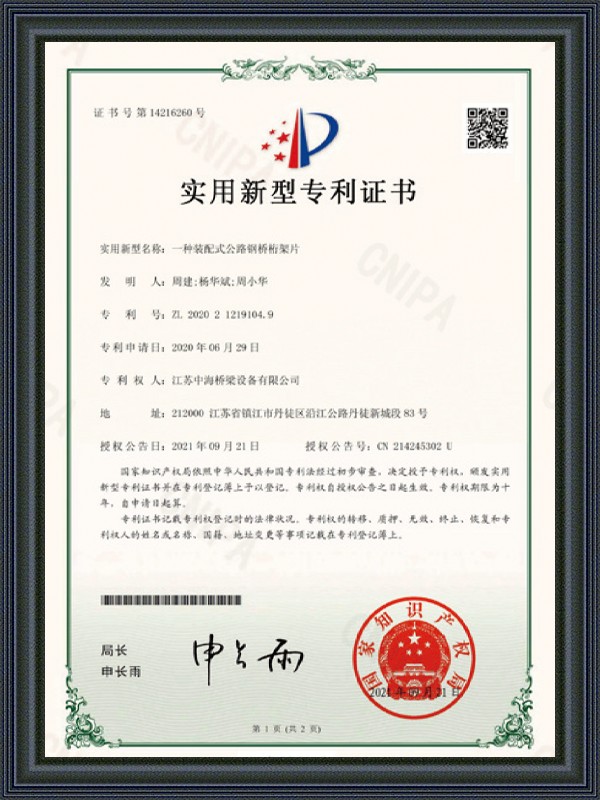
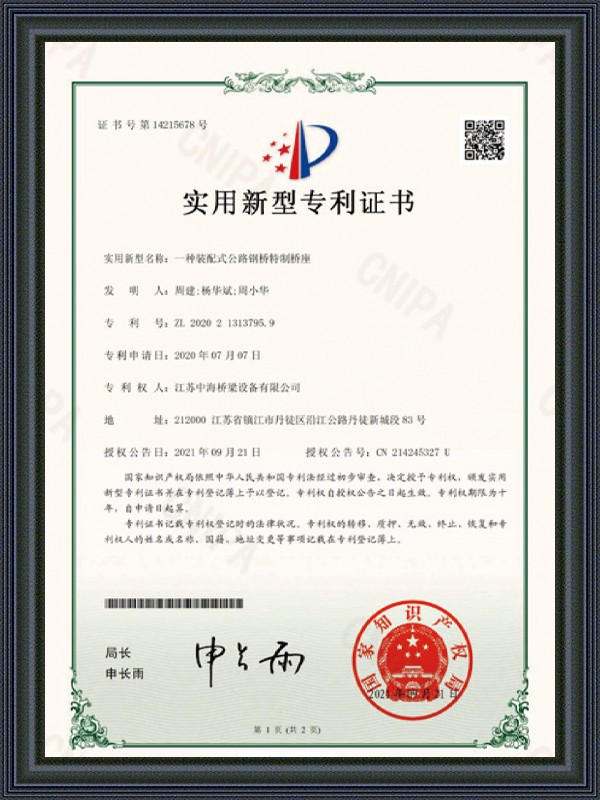
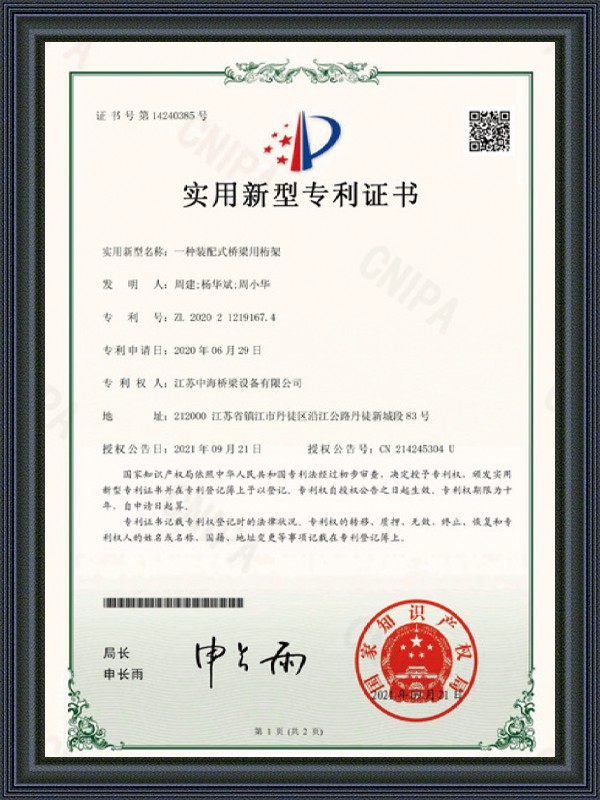
Founded in Zhenjiang, Jiangsu Province, one of China's key industrial and transportation hubs, Jiangsu Zhonghai Bridge Equipment Co., Ltd designs approach spans with this load-sharing logic built into the panel layout from the start, rather than treating the approach as an afterthought to the main span.
| Sector | Typical Use | Key Requirement |
|---|---|---|
| Transportation | Road and rural highway crossings | Smooth grade transition, repeat traffic loading |
| Water conservancy | Canal and levee access routes | Tolerance for soft or wet backfill |
| Military logistics | Convoy and equipment movement | Fast assembly, heavy point loads |
| Disaster relief | Emergency reconnection of washed-out roads | Rapid, tool-light installation |
Approach spans are rarely built as one long run — they are assembled from repeating panel bays, so the total length is really a question of how many bays a site needs and how the crew sequences the build. Longer approach runs generally need more intermediate bents or piers to keep deflection within a comfortable range, which is why planners size the run in stages rather than as a single number.
Zhonghai's factory in Zhenjiang runs on advanced automation and standardized workflows, which is what makes it realistic to pre-fabricate approach panels to a consistent tolerance and then bolt them together on site rather than fitting each bay by hand.
No two approach sites behave the same way. A riverbank access route sees soft, saturated soil that shifts with the season, while a mountain logging road might have rocky, uneven ground that resists settlement but complicates leveling. Reading the ground correctly before panel count and bent spacing are finalized is what keeps an approach span from developing problems months after handover.
From remote mountain regions to coastal marine climates, a fixed panel design has to tolerate a wide swing in ground behavior and corrosion exposure without needing a bespoke redesign for every job. This is a large part of why Steel Approach Bridge systems are built around a modular panel rather than a site-poured structure — the modularity absorbs variation in span count and bent spacing while keeping the connection details standard.
Disaster relief and military logistics teams generally value assembly speed above almost anything else, since the whole point of the structure is to restore a route before conditions worsen further. Zhonghai integrates engineering design, precision manufacturing, quality governance, and on-site support so a relief team is not left interpreting drawings alone in the field.
Every approach bridge design is a set of trade-offs. A design optimized purely for fast assembly may carry a lighter load class; one optimized for maximum load capacity may need more bents and a longer erection window. Framing the decision as a balance, rather than chasing a single "best" number, tends to produce a design that actually matches how the site will be used.
In practice, a solutions-provider mindset — helping a client build a safer, faster, more efficient connection rather than just shipping panels — is what turns this five-way balance into a workable design instead of a compromise on paper.
Yes. The approach carries its own load path into the abutment or an intermediate bent, and it is engineered to connect cleanly with the main span rather than share its structural system directly.
Both. The same panel logic used for rapid emergency deployment can also form part of a permanent installation, with the difference coming down to foundation treatment and how many bays are used, not the panel design itself.
Soft or saturated backfill, uneven rock, and seasonal water tables are the conditions that most often change bent spacing and panel count, since they affect how evenly the structure can transfer load into the ground.
Through a graded run of panel bays rather than a single ramp piece, which lets the grade change gradually enough that traffic does not feel an abrupt step at either end.
Generally yes, since more bays and bents are involved, though a standardized panel connection — the kind built into Zhonghai's approach systems — keeps the added time closer to linear than it would be with a custom-fabricated run.

Product Category
Bailey Bridge/Modular Bridge Modular Steel Bridge Pedestrian Bridge Modular Pipe Bridge Truss Bridge Steel StructureContact Us


Copyright © Jiangsu Zhonghai Bridge Equipment Co., Ltd. All
Rights
Reserved
OEM Steel Approach Bridge Supplier
Custom Steel Approach Bridge Factory
