
 English
  русский
  Español
  Português
Call us
+86-511-84522866

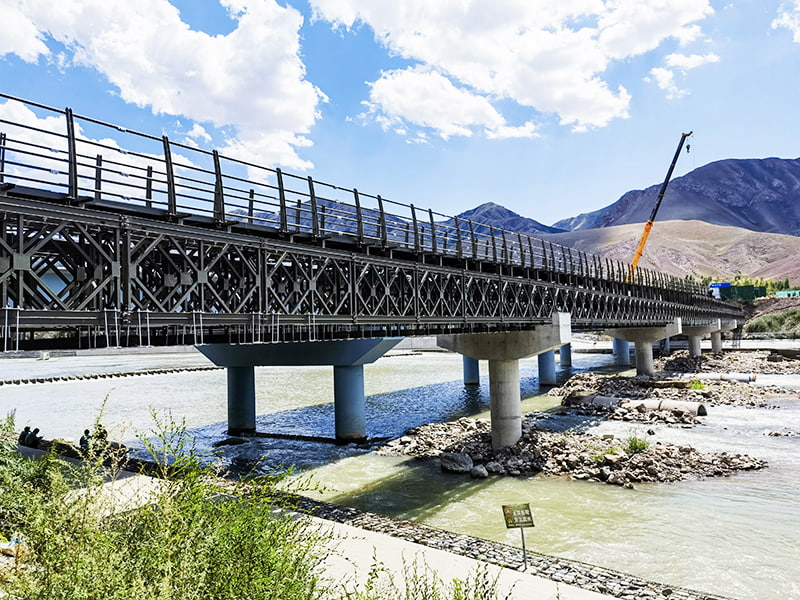

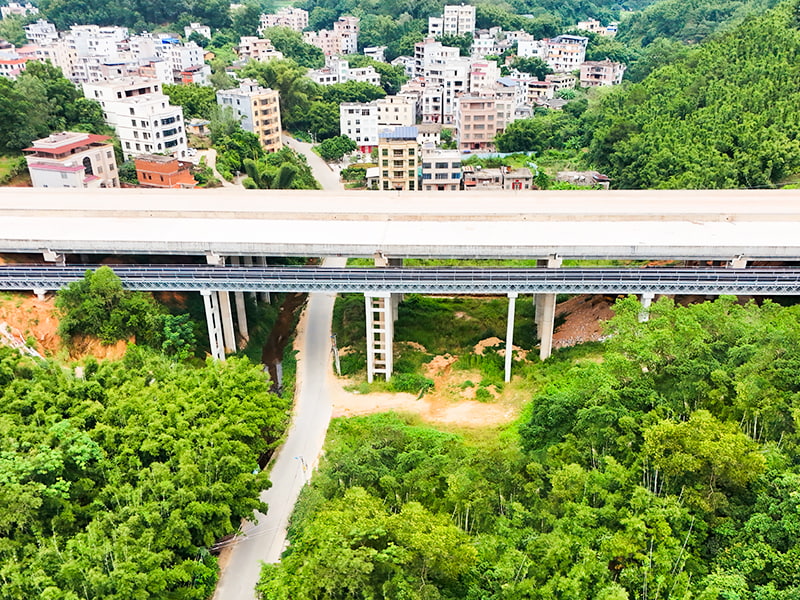
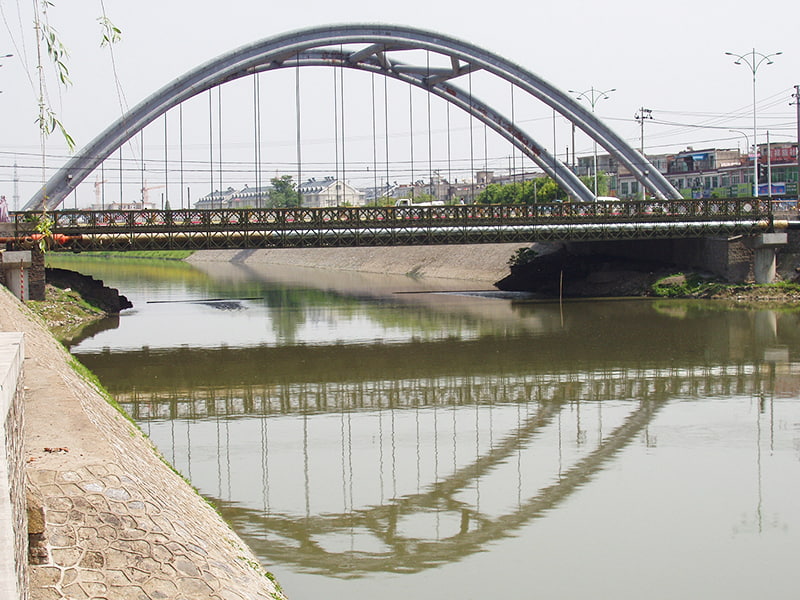
The Modular Pipe Bridge is a pipe crossing structure that decomposes the load-bearing structure, pipe supports, protective facilities, etc., into standardized modules, which are prefabricated in the factory and then quickly assembled on-site. It is suitable for scenarios such as industrial pipe corridors, river/railway crossings, and emergency repairs.
With core features such as fast assembly, flexible adaptation, disassembly and reuse, and minimal on-site disruption, the Modular Pipe Bridge is suitable for various scenarios, including industrial production, infrastructure construction, and emergency support.
Using a fully automated welding robot production line combined with laser cutting material preparation technology, it achieves both a significant improvement in production efficiency and strict control over processing precision. Customization services can precisely match various application requirements. The full-service package includes solution design, on-site installation, and after-sales maintenance, providing one-stop support for the long-term use of the bridge.
A TRUSTED MANUFACTURER OF MODULAR STEEL BRIDGES




 ZHONGHAI BRIDGES
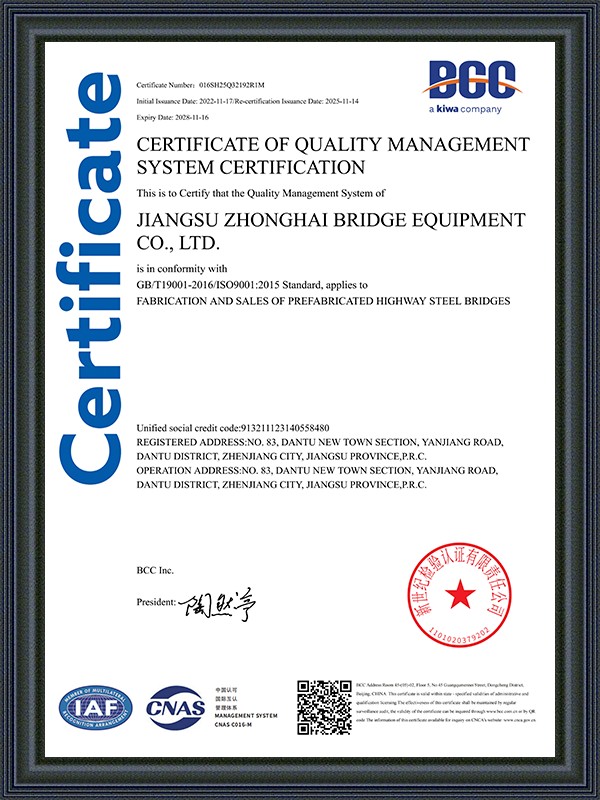
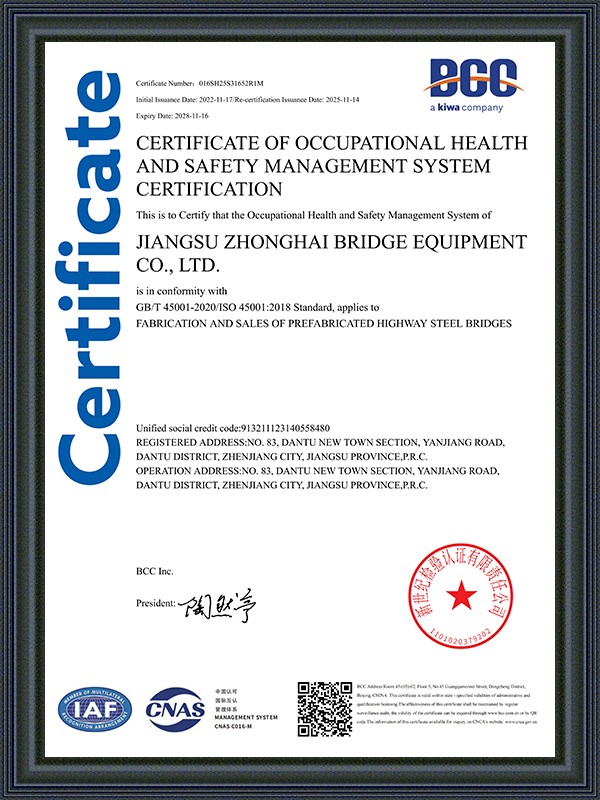
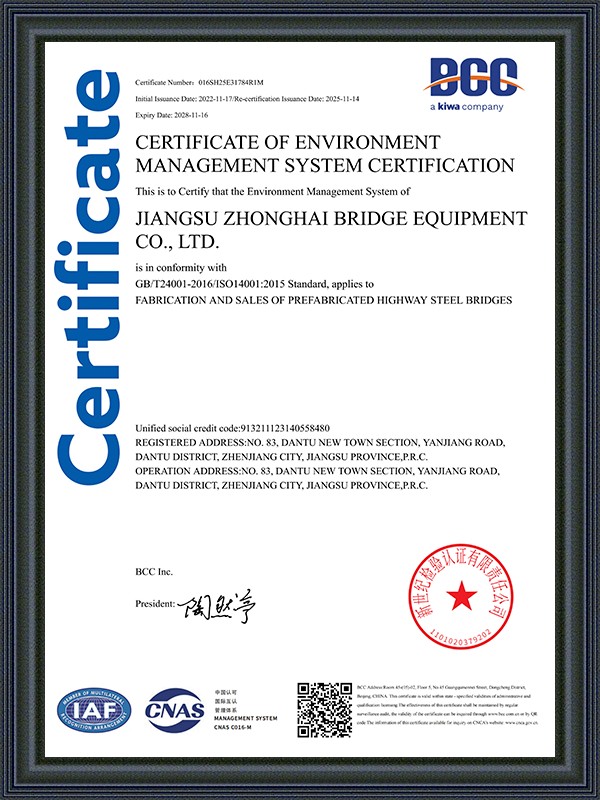

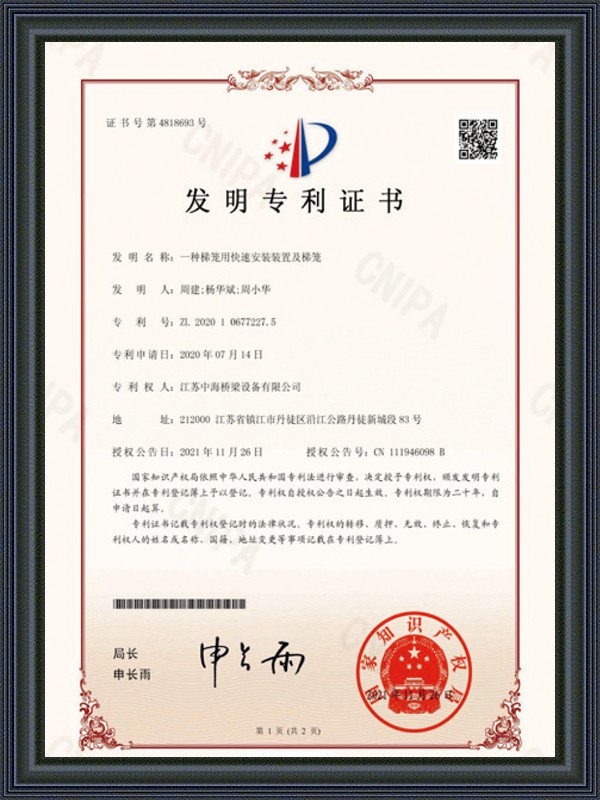
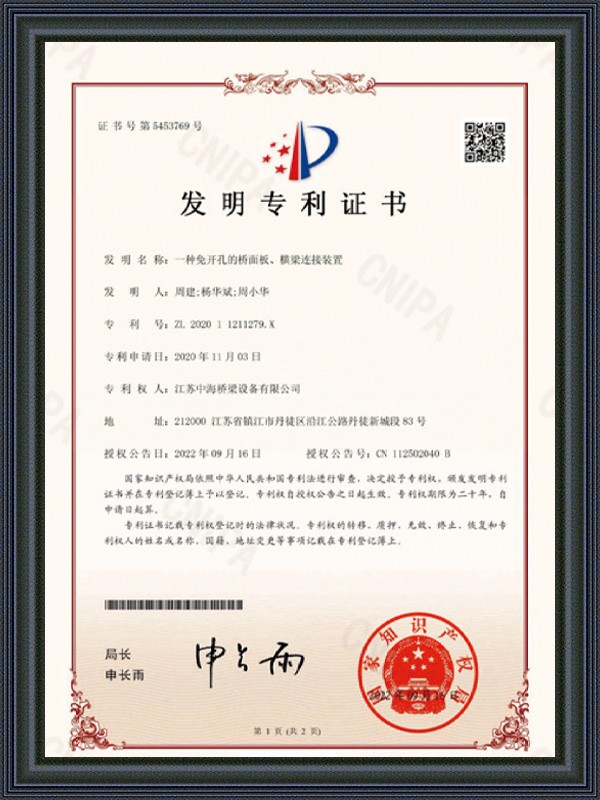
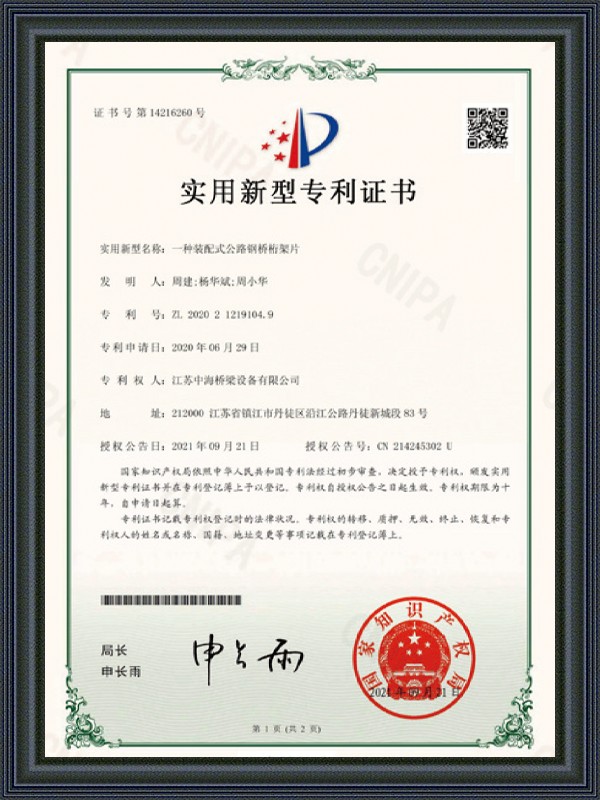
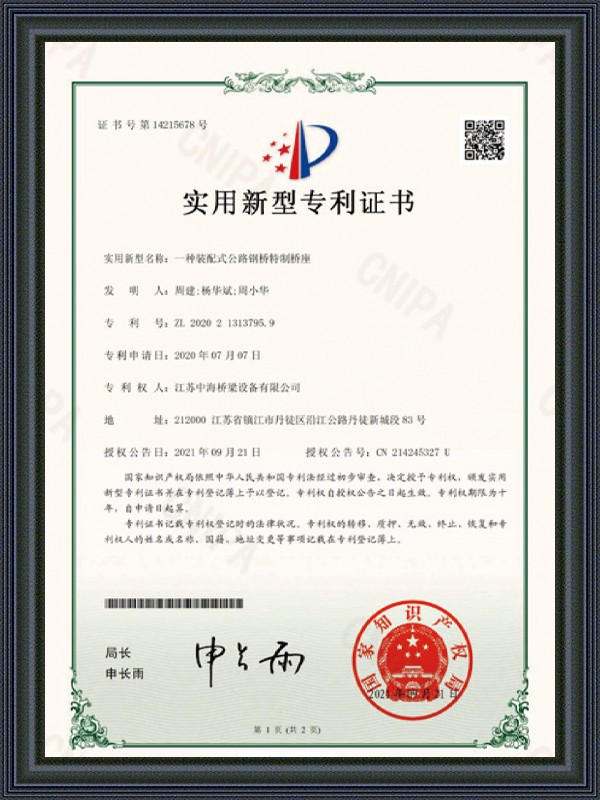
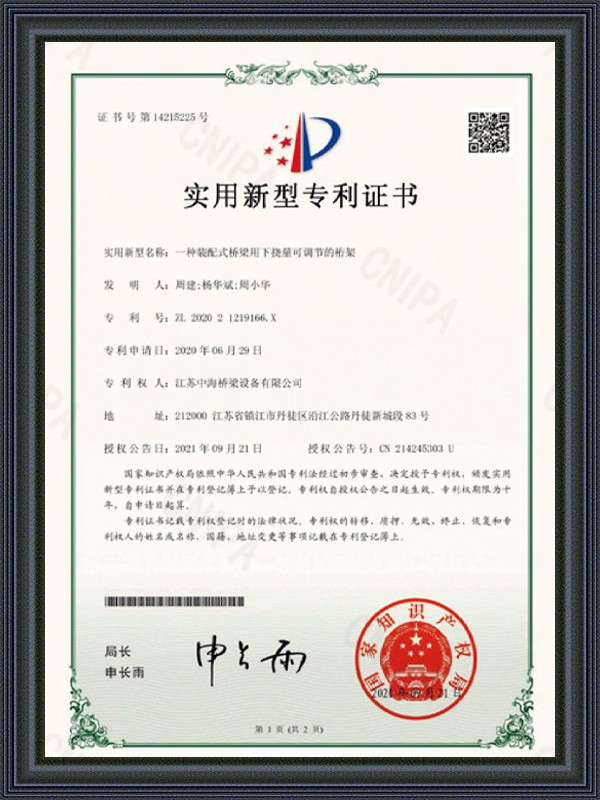
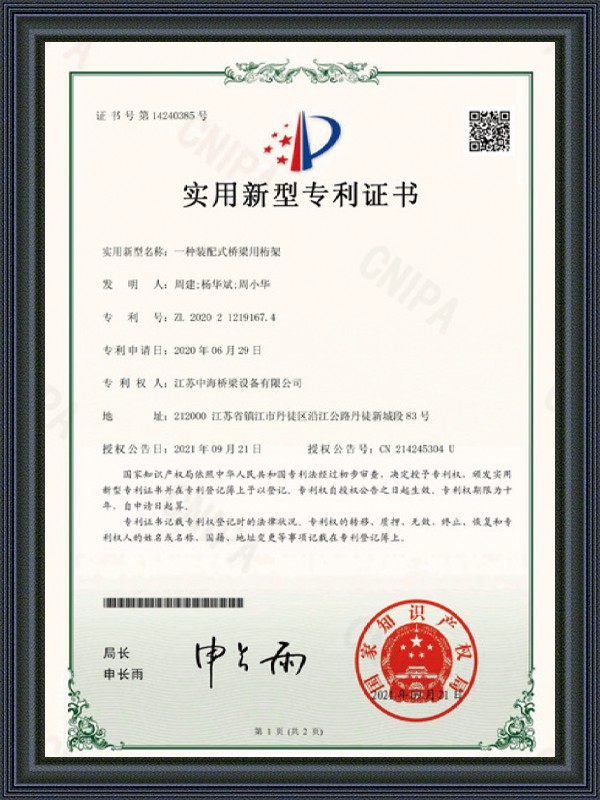
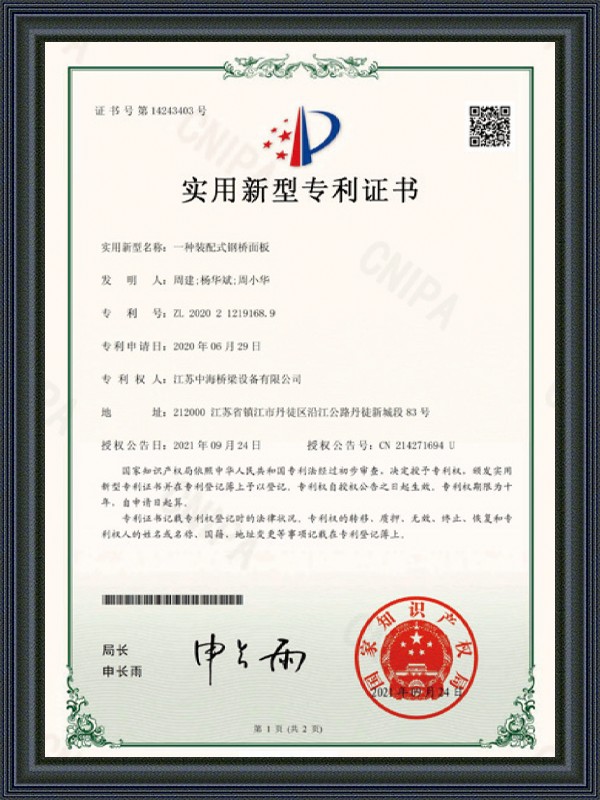
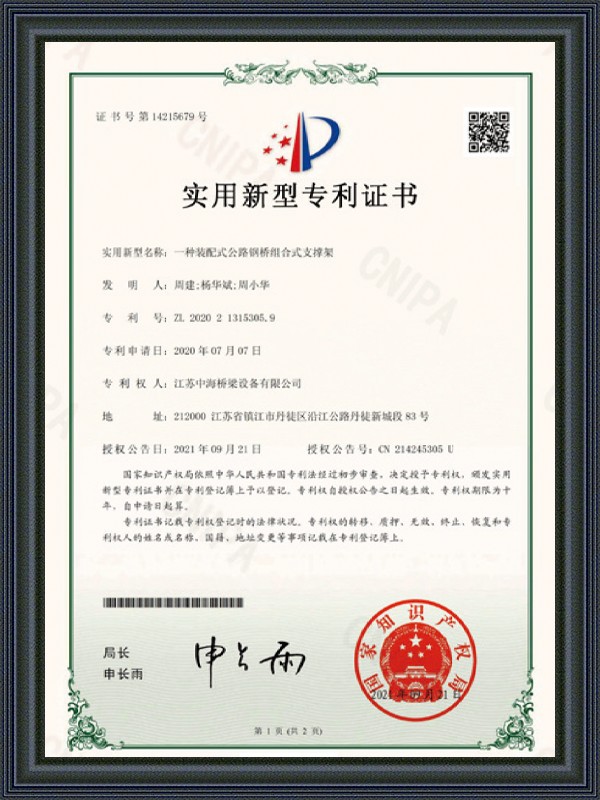
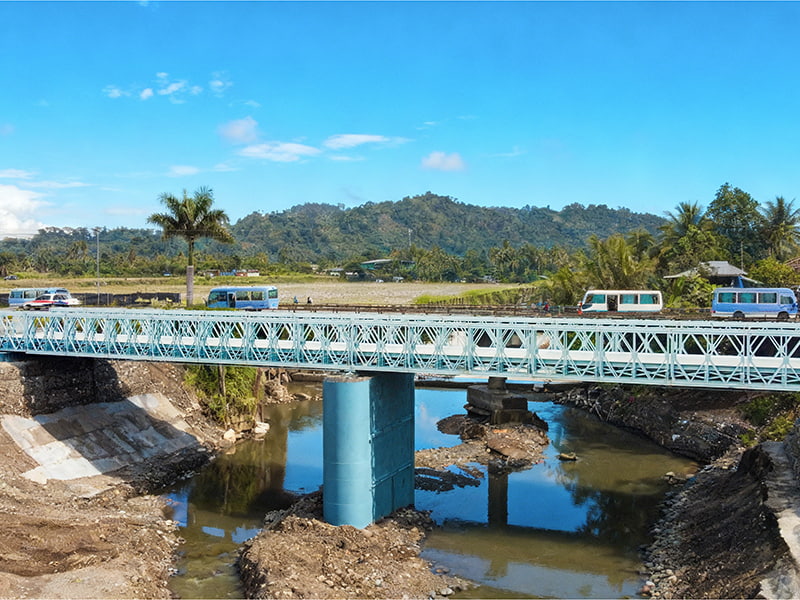
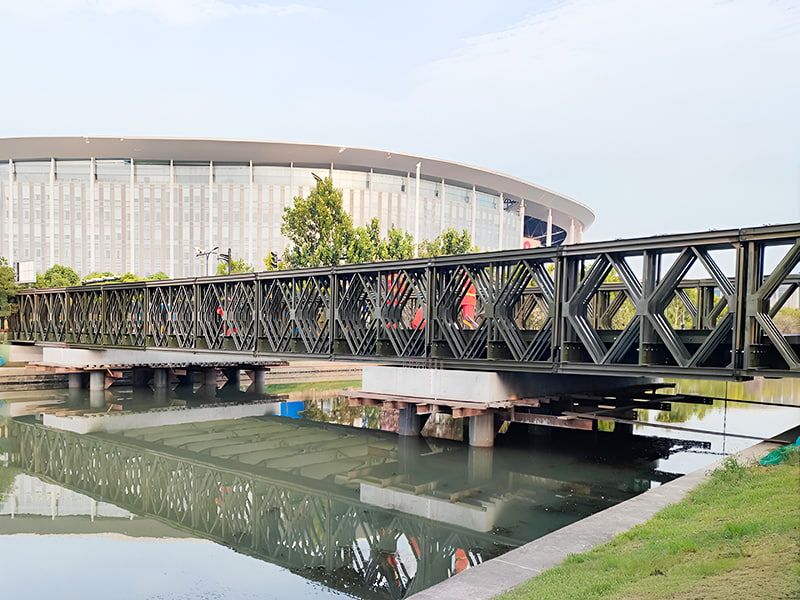
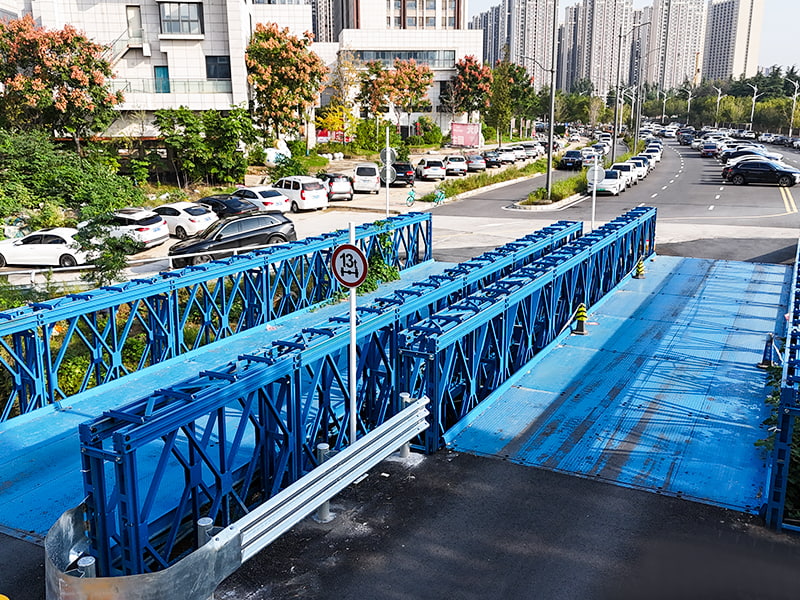
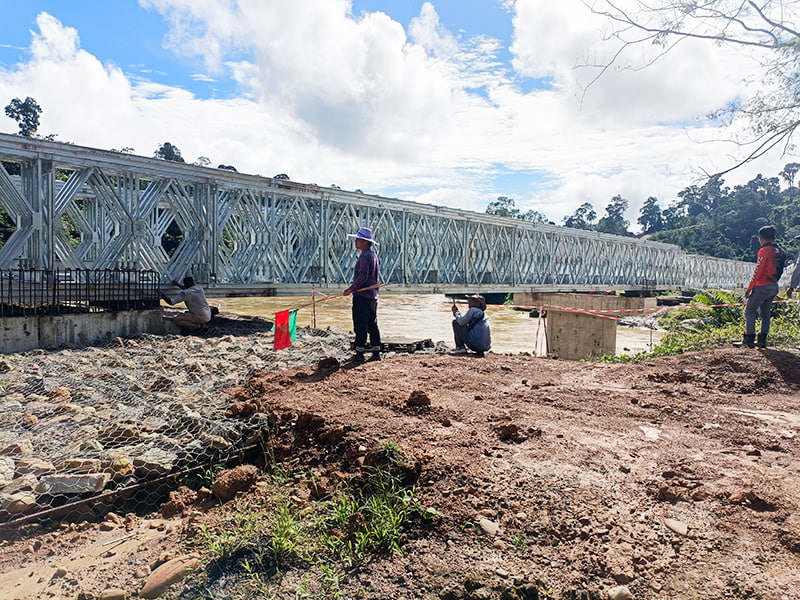
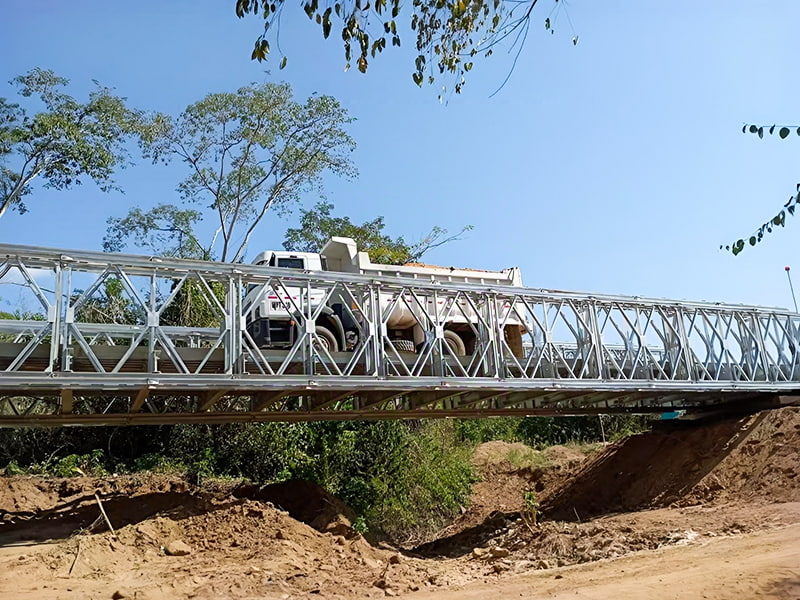
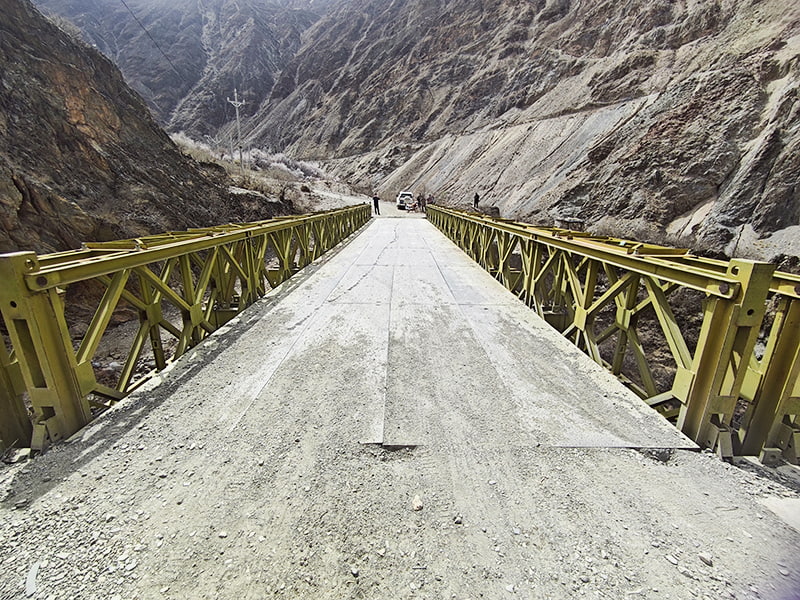
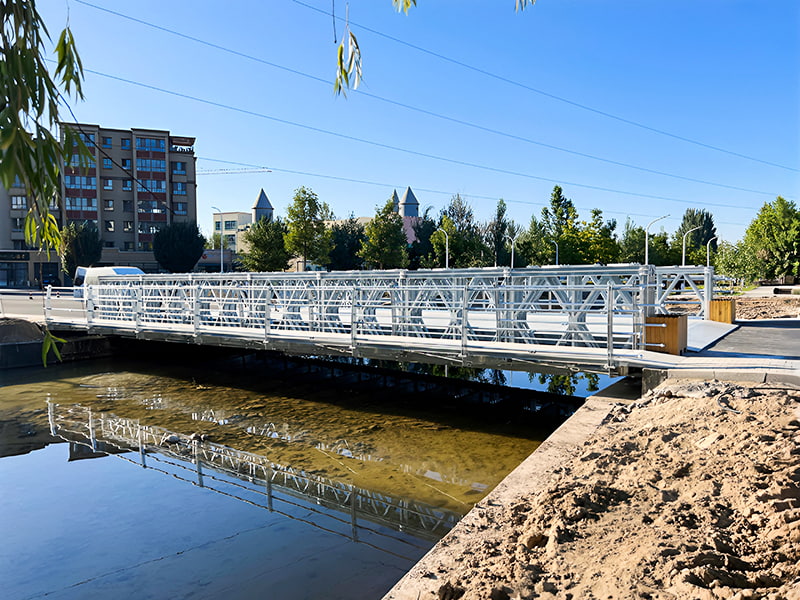
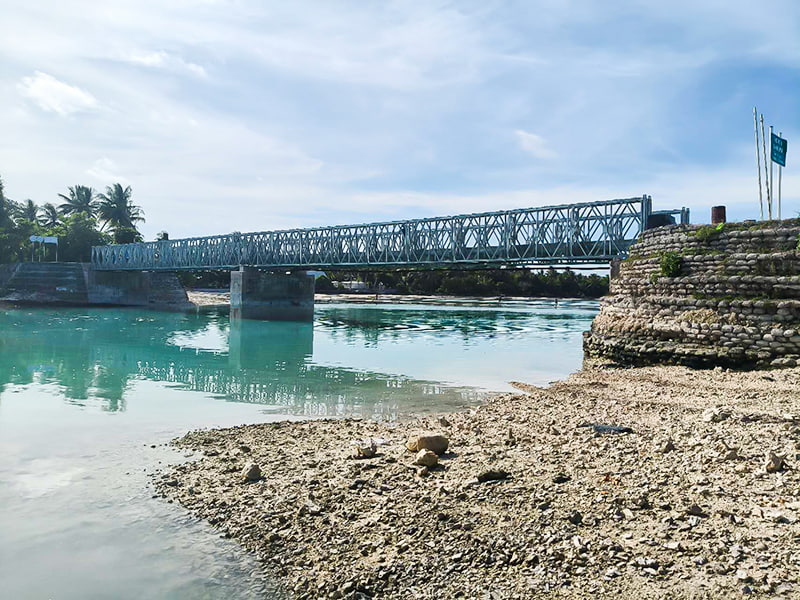
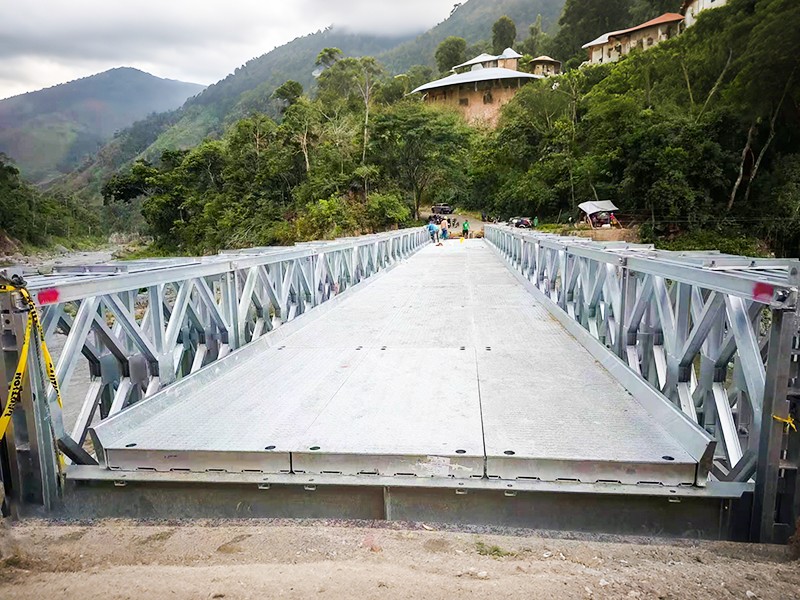
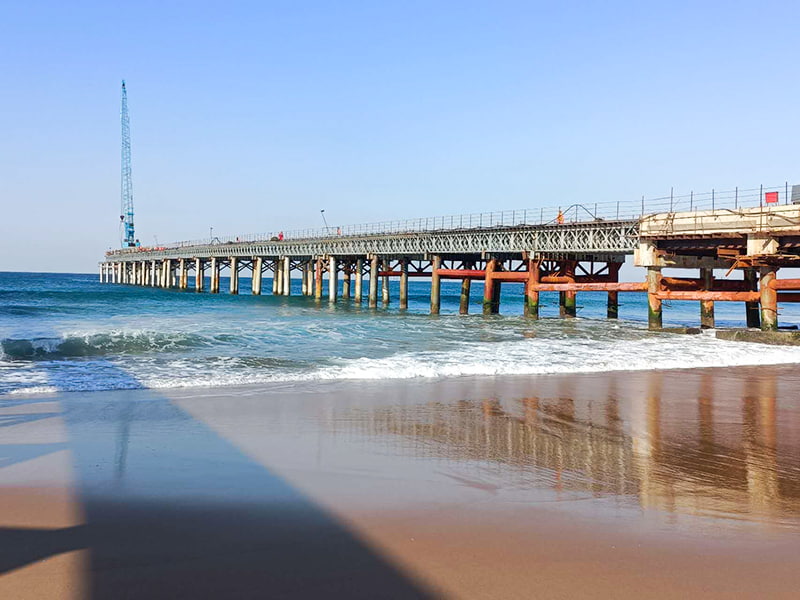
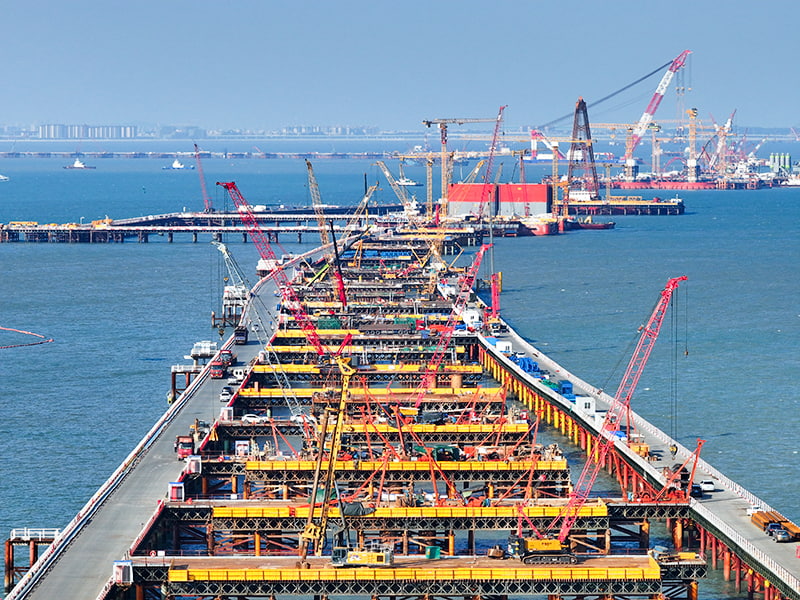
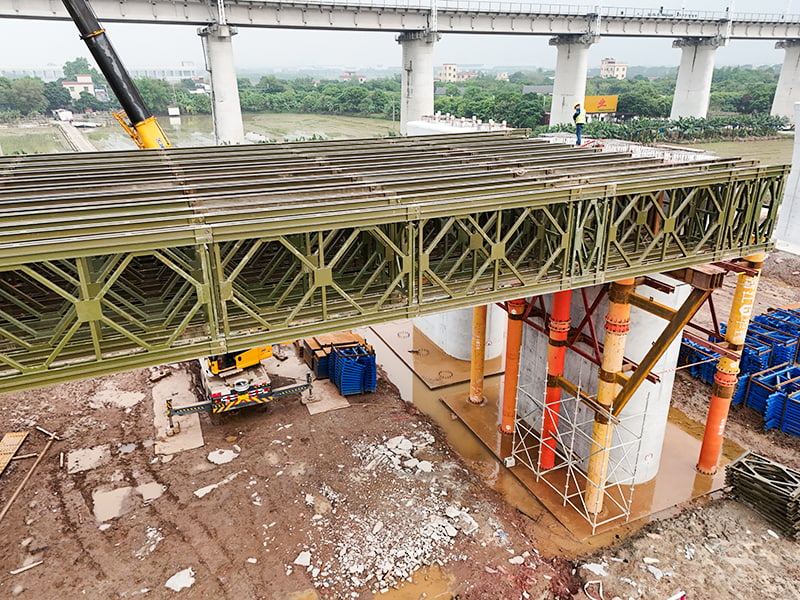
Utility lines, process piping, cable trays, and compressed-air lines often need to cross a road, a rail siding, a drainage channel, or a gap between plant buildings without touching the ground or interrupting traffic below. A Modular Pipe Bridge is the structure built for exactly that job: a bolted, panel-based steel frame that lifts piping runs clear of the crossing and carries them safely from one support point to another. Because the frame is assembled from prefabricated modules rather than cast or welded on site, a Modular Pipe Bridge can be configured for very different span lengths, pipe loads, and site conditions using the same family of components. The sections below look at how these structures are actually put together and what tends to go wrong if the details are rushed.
Every pipe bridge starts as a span problem. The gap to be crossed, the number of intermediate supports available, and the total weight of the piping (plus fluid, insulation, and ice or wind loading where relevant) determine which panel type and how many truss layers are needed. This is where Jiangsu Zhonghai Bridge Equipment Co., Ltd works from a library of non-standard Bailey bridge panels rather than a fixed catalogue size, because pipe rack crossings almost never match the "standard" spans used for vehicle bridges.
For longer, unsupported crossings, single-panel-height trusses are usually not enough. Doubling or tripling the truss height increases the load-carrying span without adding intermediate piers, which matters a lot in refineries and chemical plants where a new pier means digging into existing underground pipe networks. Long-span modular trusses are typically stacked in one of three configurations:
Heavy-duty reinforced chords and diagonals are added where the pipe load is concentrated rather than evenly distributed — for example, a single large steam header sitting at one point on the span rather than several smaller lines spread across the deck. The chart below illustrates how truss configuration and span length typically trade against each other in a modular panel system.
A pipe bridge is only as reliable as its joints. Standard panel pins work fine where two identical modules meet in a straight line, but real installations are rarely that clean — a bridge might need to change width mid-span to fit a pipe rack transition, step down in height to clear an overhead obstruction, or tie into an existing concrete pier that wasn't built for a bolted steel frame. Custom-designed connectors and transition assemblies handle these irregular junctions, and this is a category where off-the-shelf hardware usually falls short.
Deck selection matters almost as much as the truss itself. A walkway deck for occasional maintenance access has very different requirements from a deck that also needs to support cable tray hangers or small-bore piping clamped directly to the flooring. Two flooring systems cover most projects:
| Flooring Type | Typical Use | Point Load Handling | Maintenance |
|---|---|---|---|
| Steel checker plate deck | Walkways, inspection access | Good under concentrated loads | Repaint or re-galvanize cycle |
| Composite deck (steel + concrete/fill) | Heavier cable/pipe support, longer service life | Distributes load over wider area | Lower ongoing surface maintenance |
In practice, the connector layout and the deck choice get worked out together, not separately — a heavier composite deck changes the load path into the transition assemblies, so both details from Jiangsu Zhonghai Bridge Equipment Co., Ltd's component range are usually specified against the same load case.
Steel pipe bridges near the coast or in high-humidity tropical sites face a different failure mode than inland structures — the risk usually isn't overload, it's slow section loss from corrosion at pin joints, deck fasteners, and low-lying chord members where salt spray or condensation collects. This is one reason a bare, unprotected panel is a poor choice for these environments, and why corrosion-resistant treatment is specified as a distinct part of the component package rather than an afterthought.
Hot-dip galvanizing remains the most common baseline protection for modular steel bridge components, sometimes combined with an additional coating system on top for the most exposed members. The chart below shows a general pattern of how coating condition tends to degrade over time across common protection methods in a marine-influenced environment — useful for setting a realistic inspection interval rather than assuming "installed once, done forever."
Coating choice, pin material, and fastener grade all need to line up with each other — a stainless fastener in an otherwise galvanized joint can create its own localized corrosion cell if it isn't detailed correctly, which is a detail worth confirming with the fabricator rather than assuming is automatic.
Plants change faster than the pipe bridges built to serve them. A rack that once carried three small-bore lines can end up supporting a new insulated steam header or an additional cable tray years later, and the original structure was rarely designed with that extra weight in mind. Rather than replacing a working bridge outright, a load-upgrade kit — added chords, supplementary diagonals, or reinforced connector plates — can raise the rated capacity of an existing modular structure without a full teardown.
Sizing an upgrade kit correctly depends on knowing what the original panel configuration actually was, since reinforcement has to match the existing pin spacing and chord profile rather than being a generic bolt-on part. Manufacturing consistency matters here: Jiangsu Zhonghai Bridge Equipment Co., Ltd has more than 15 years of experience manufacturing Bailey bridges and prefabricated steel bridges, with an annual production capacity of over 60,000 tons supported by automatic welding robots and precision machining equipment, which keeps reinforcement components dimensionally consistent with the panel families they're designed to reinforce. That consistency is what allows a retrofit kit ordered years after the original Modular Pipe Bridge installation to still bolt up correctly on site.
A fixed pipe rack is typically welded or bolted as a permanent, site-specific frame. A modular structure uses interchangeable, pinned panels, which makes it faster to erect, easier to widen or extend later, and simpler to relocate if the crossing is temporary or the site layout changes.
In most cases, yes, provided the original panel type is known. Additional panel bays and matching connectors can be added to the side or end of an existing run, though the supporting piers need to be checked for the added weight before proceeding.
It comes down to what the deck is actually carrying. A walkway with light foot traffic and a few small pipe clamps rarely needs composite decking. A deck also supporting cable tray hangers, heavier insulated lines, or frequent point loads benefits from the load distribution a composite system provides.
There's no single fixed number that fits every site, since salt exposure and humidity vary significantly by location. As a practical habit, checking pin joints, low chord members, and fastener condition during routine plant walkdowns catches early coating breakdown before it becomes section loss.

Product Category
Bailey Bridge/Modular Bridge Modular Steel Bridge Pedestrian Bridge Modular Pipe Bridge Truss Bridge Steel StructureContact Us


Copyright © Jiangsu Zhonghai Bridge Equipment Co., Ltd. All
Rights
Reserved
OEM Modular Pipe Bridge Manufacturer
Custom Modular Pipe Bridge Factory
