
 English
  русский
  Español
  Português


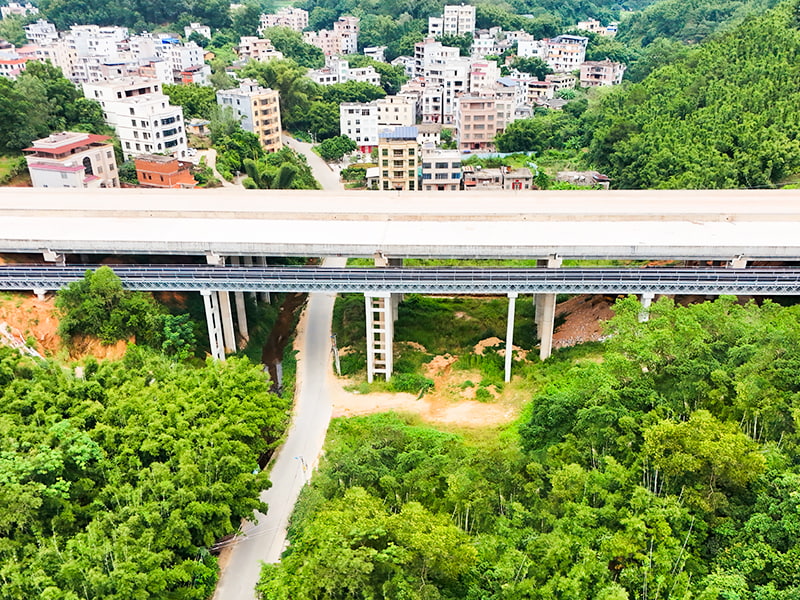
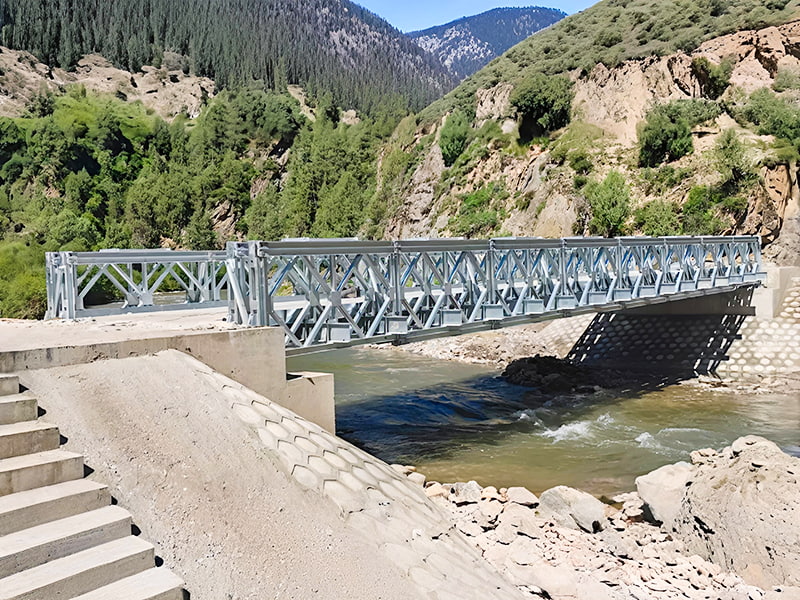
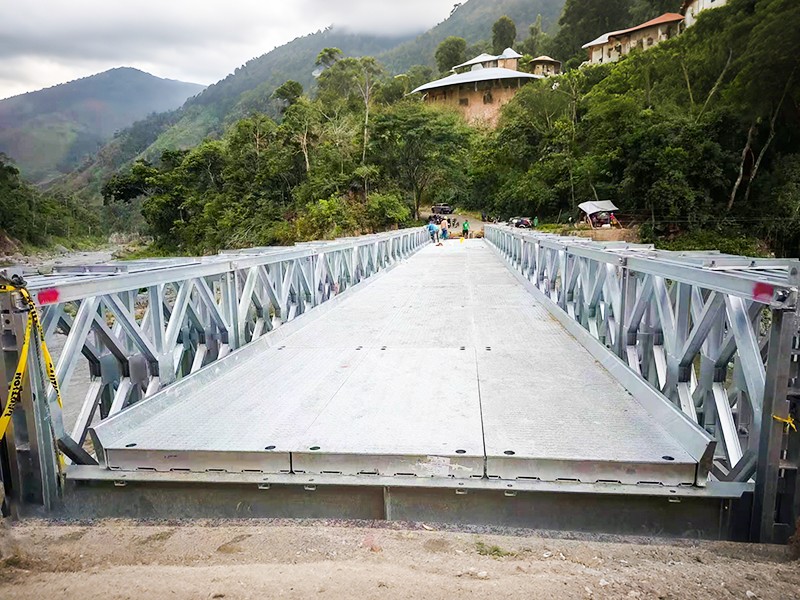
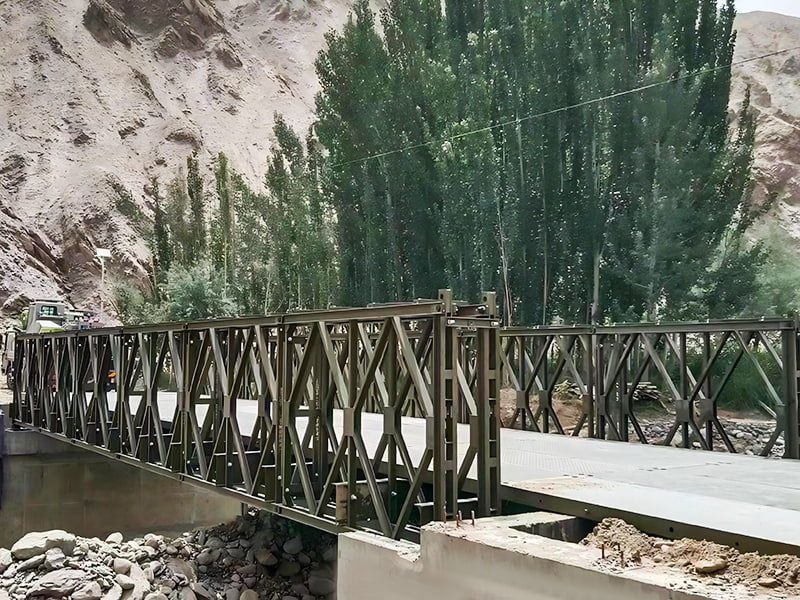
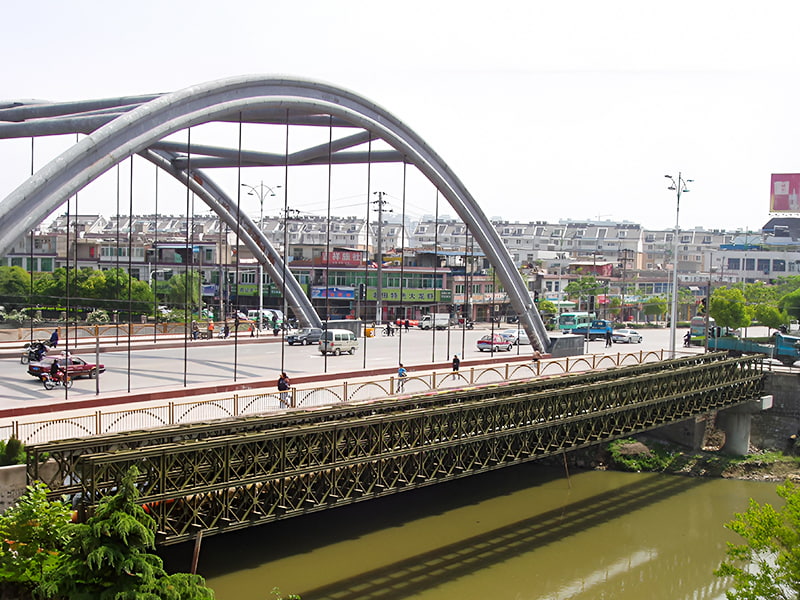
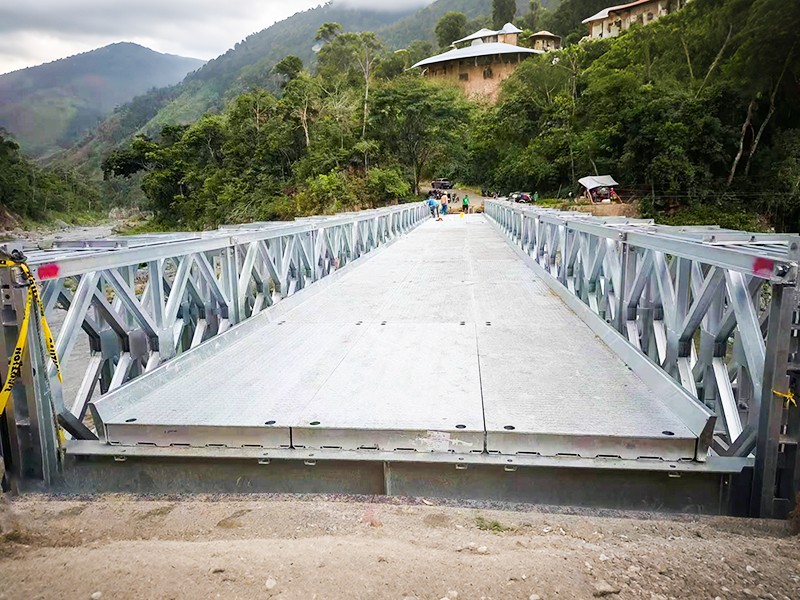
Jiangsu Zhonghai Bridge Equipment Co., Ltd. is a professional manufacturer specializing in Bailey bridges, modular steel bridges, and bridge construction equipment. Located in Jiangsu Province, our facility benefits from convenient regional logistics, ensuring fast and reliable global delivery.
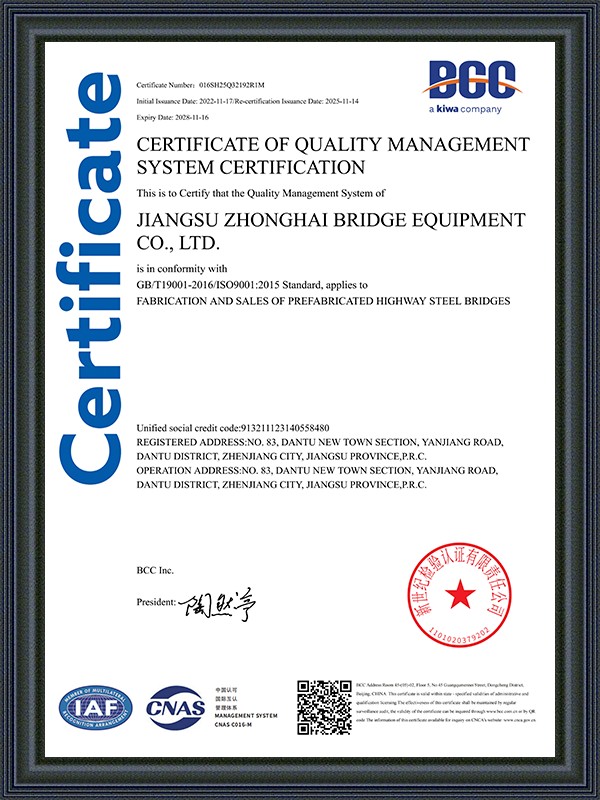
As China OEM CB100 Modular Pipe Bridge Manufacturers and CB100 Modular Pipe Bridge Factory, Zhonghai Bridge Equipment Co., Ltd. with an annual production capacity exceeding 60,000 tons, advanced automatic welding robots, and a full set of NDT welding inspections, we operate under a rigid quality management system certified by ISO9001. All exported steel materials comply with SGS, ASTM, and EN standards, ensuring consistency and durability in demanding engineering environments.

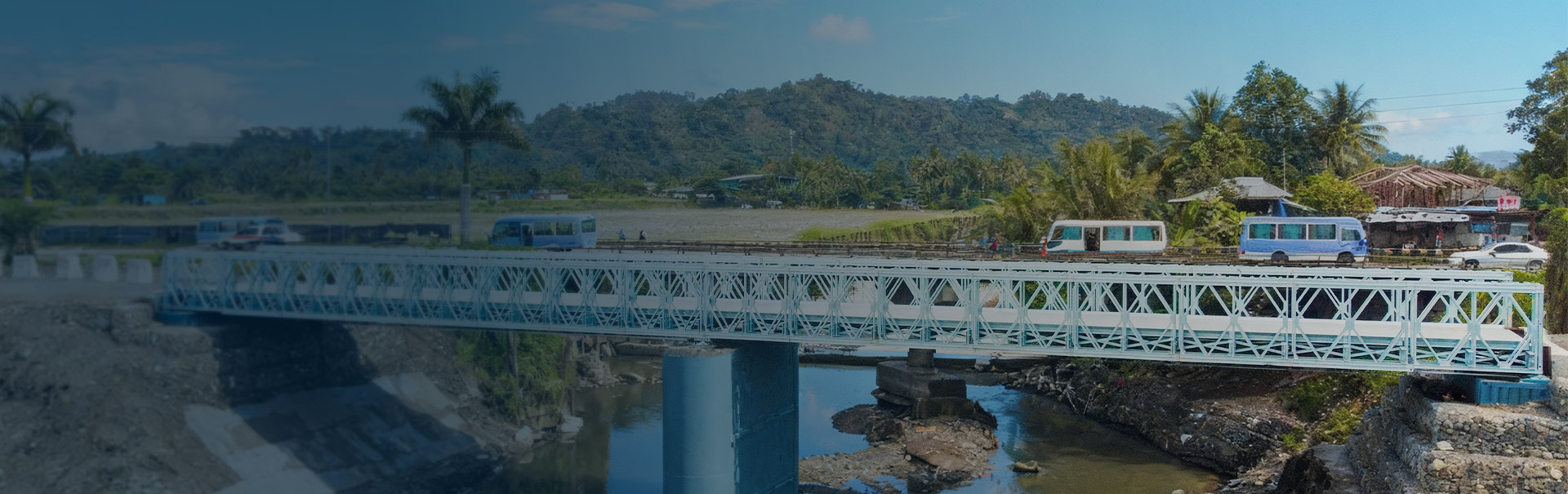
CB100 Modular Pipe Bridge Wholesale
CB100 Modular Pipe Bridge
Compared to traditional pipeline installation methods, the Pipe Bridge offers significant advantages throughout the entire lifecycle, from construction to long-term operation. In terms of span capability, it can easily handle river channels with severe bank erosion, frequent navigation, and steep canyon terrains, avoiding the complexities of underwater construction and riverbed disturbance, ensuring safety for navigation and flood control. In terms of space utilization, the Pipe Bridge uses a vertical layout, occupying minimal ground and underground space. It can also facilitate the centralized installation of multiple pipelines, playing a key role in areas with limited land availability, such as city centers and industrial parks, while avoiding spatial conflicts with subway systems, underground corridors, and other facilities. For construction and maintenance, the Pipe Bridge adopts a modular construction mode with factory prefabrication and on-site assembly, reducing outdoor work time and minimizing impacts on surrounding ecosystems and local residents. The elevated pipelines also make it easier for personnel to inspect and maintain, with issues such as leaks being easily detectable, significantly reducing maintenance costs and operational risks.
Related products
About Us
Jiangsu Zhonghai Bridge Equipment Co., Ltd.
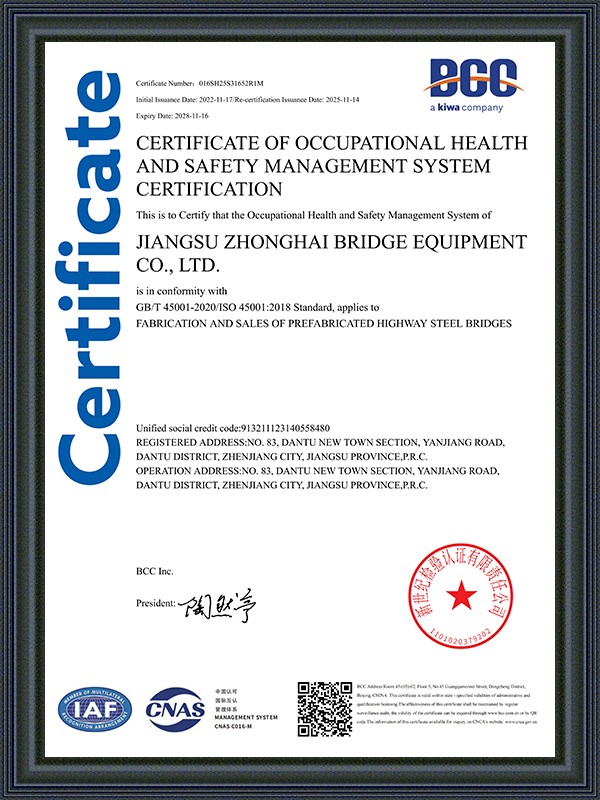
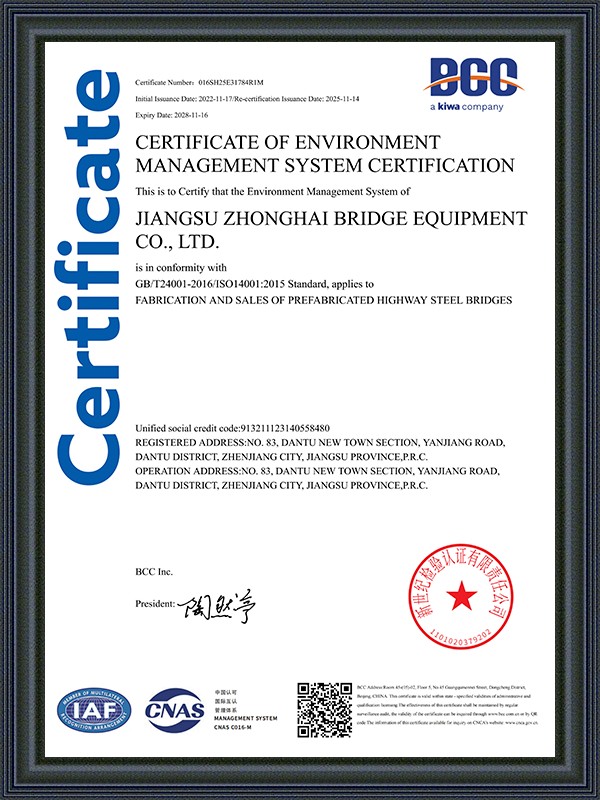
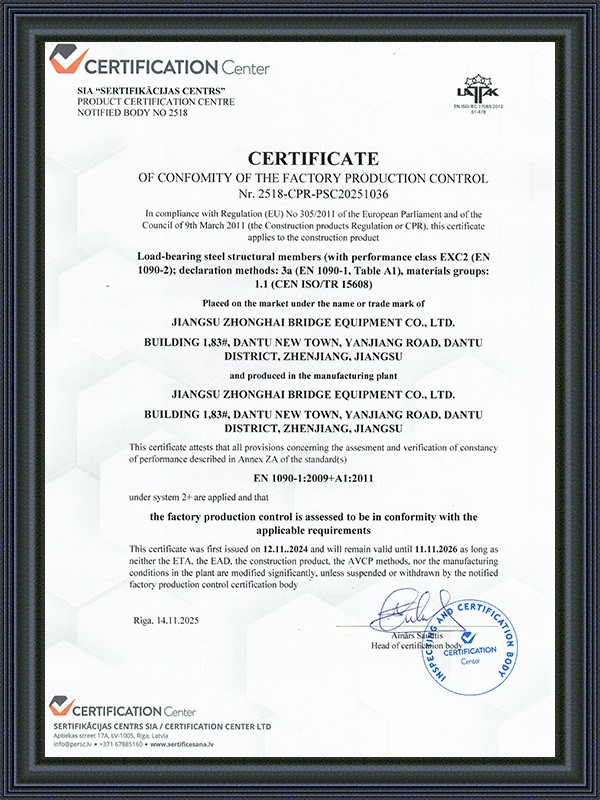
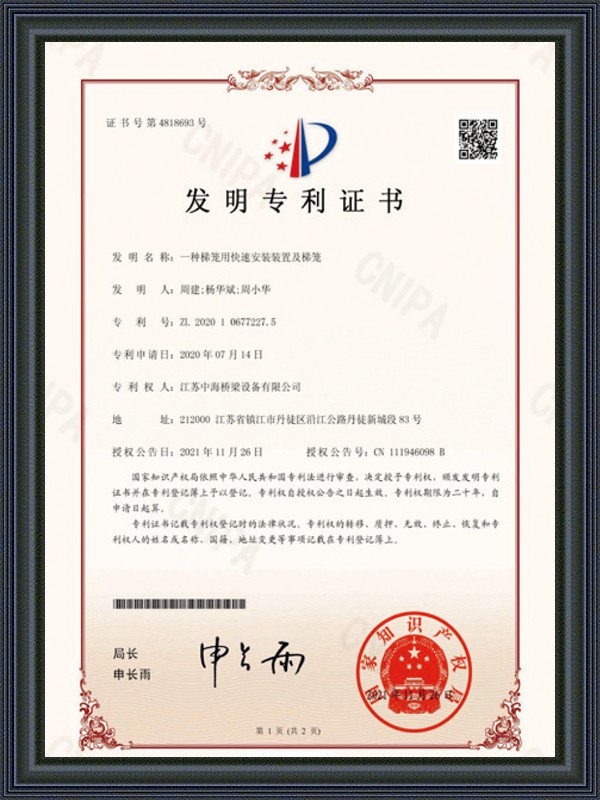
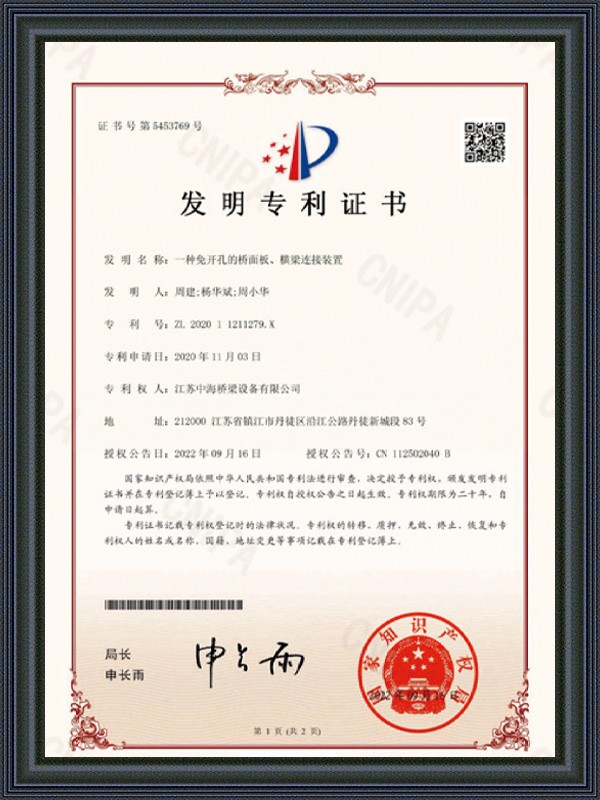
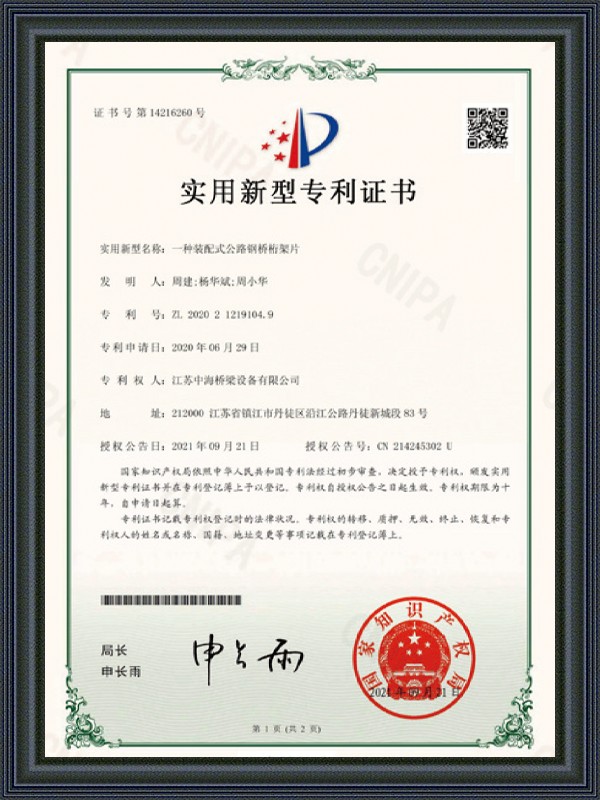
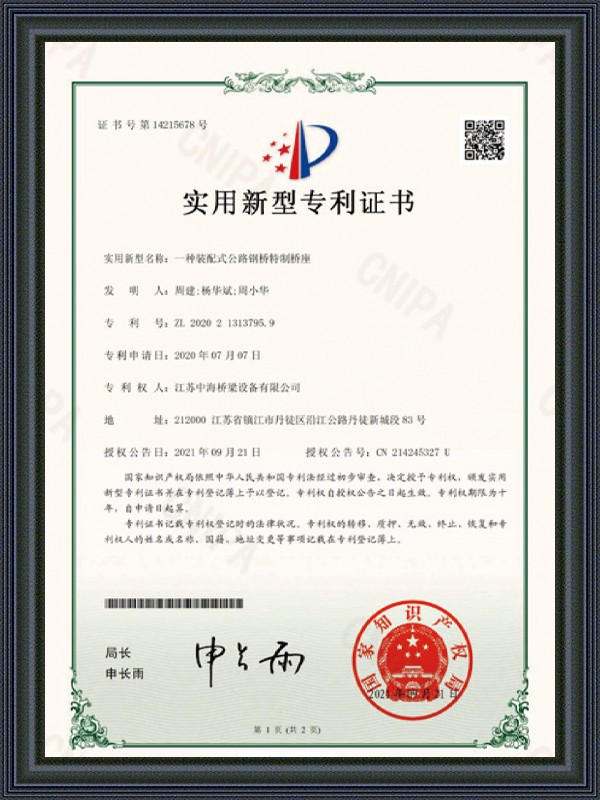
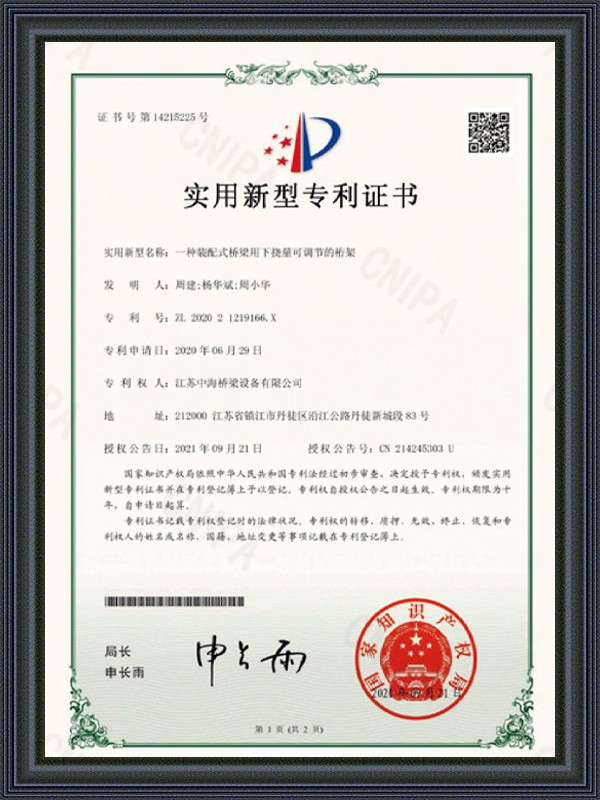
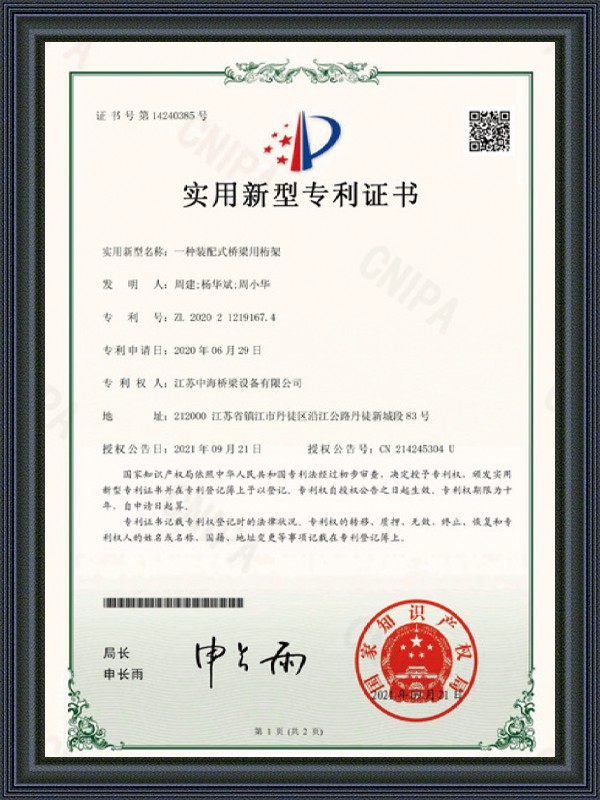
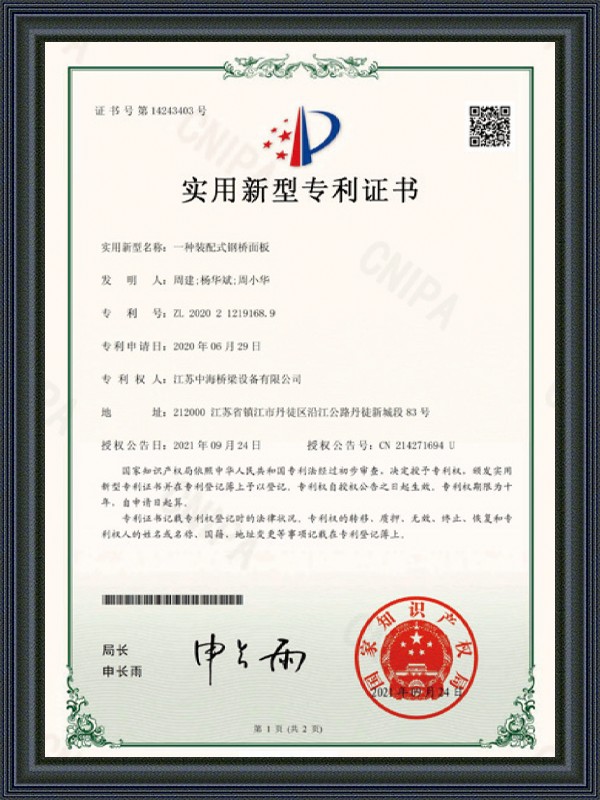
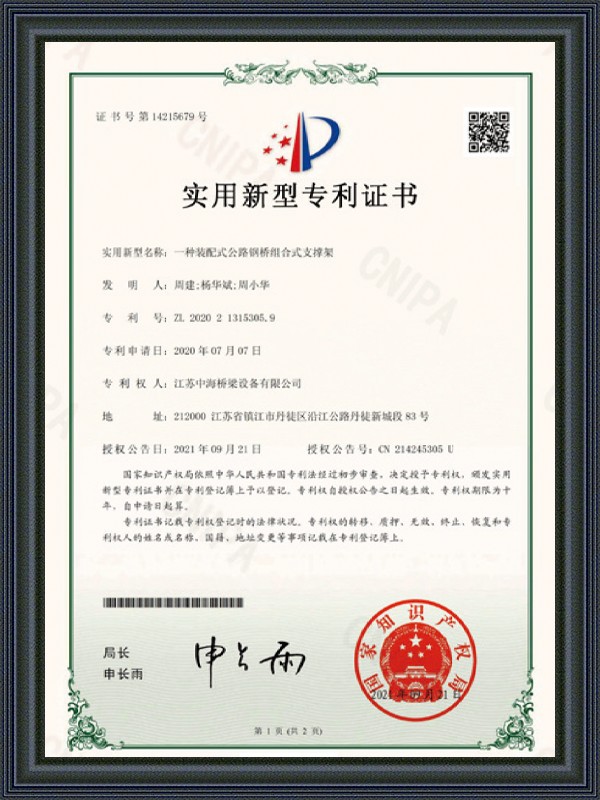
Certificate Of Honour
Latest News

We respond quickly to all international requests and provide technical support when needed.
Product Category
Bailey Bridge/Modular Bridge Modular Steel Bridge Pedestrian Bridge Modular Pipe Bridge Truss Bridge Steel StructureContact Us

+86-511-84522866
+86-13921582699

zhwm@zjql.com

Building 1,83#, dantu New Town, Yanjiang Road, Dantu District, Zhenjiang, Jiangsu, China
Copyright © Jiangsu Zhonghai Bridge Equipment Co., Ltd. All
Rights
Reserved
Wholesale CB100 Modular Pipe Bridge Factory
