
 English
  русский
  Español
  Português
 Call us
+86-511-84522866

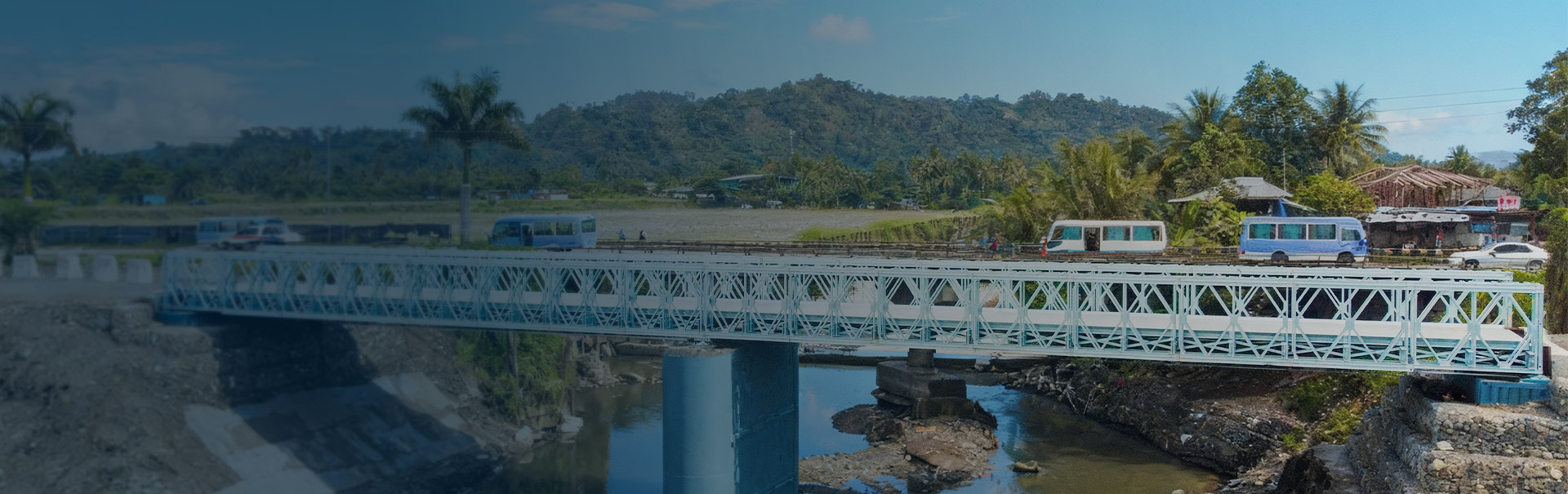
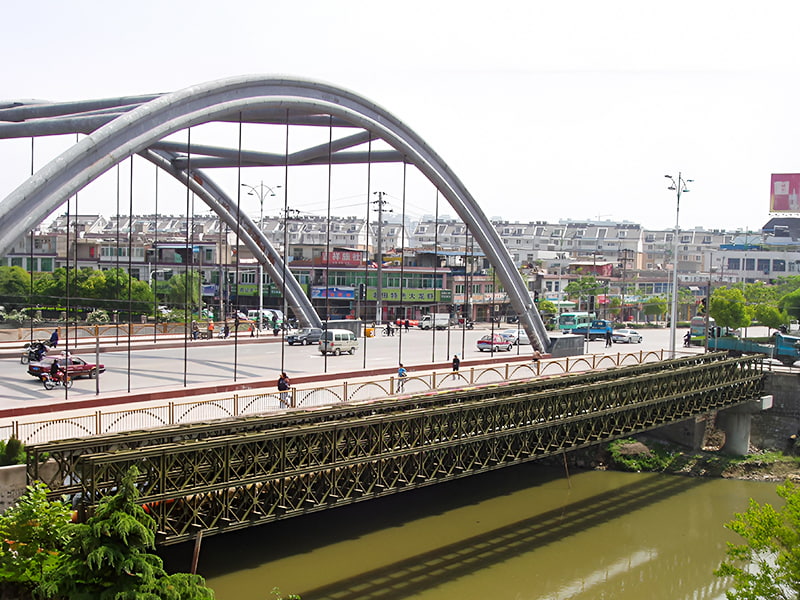

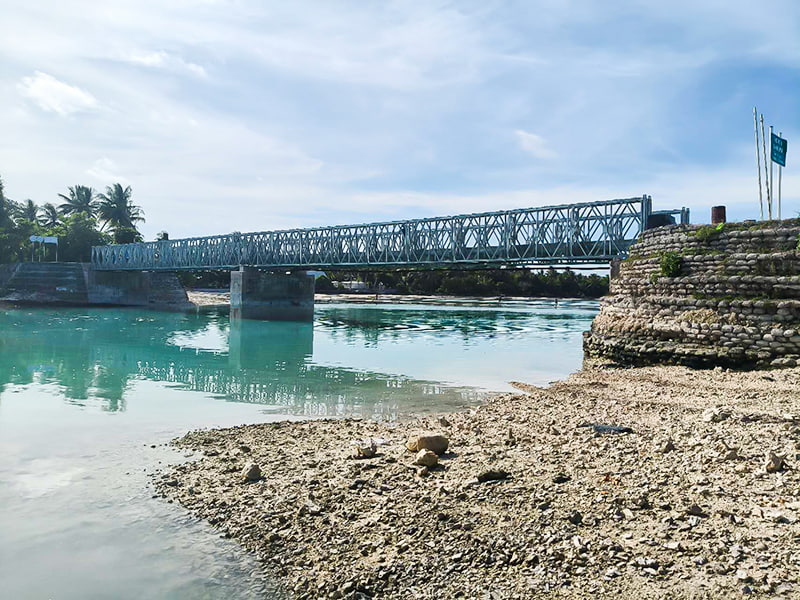
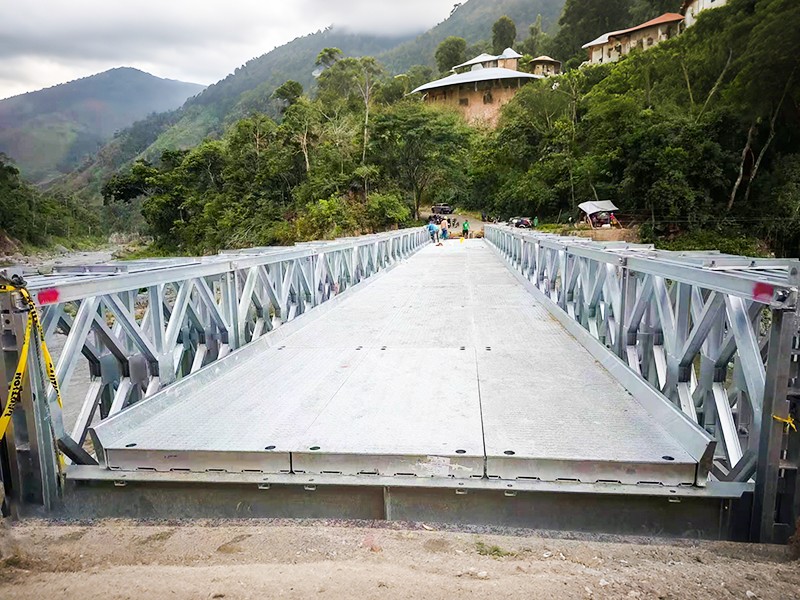
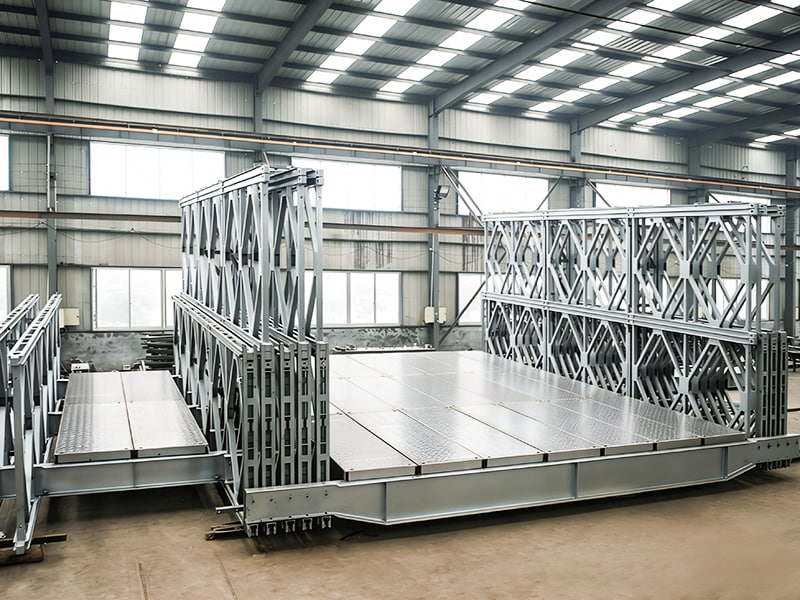
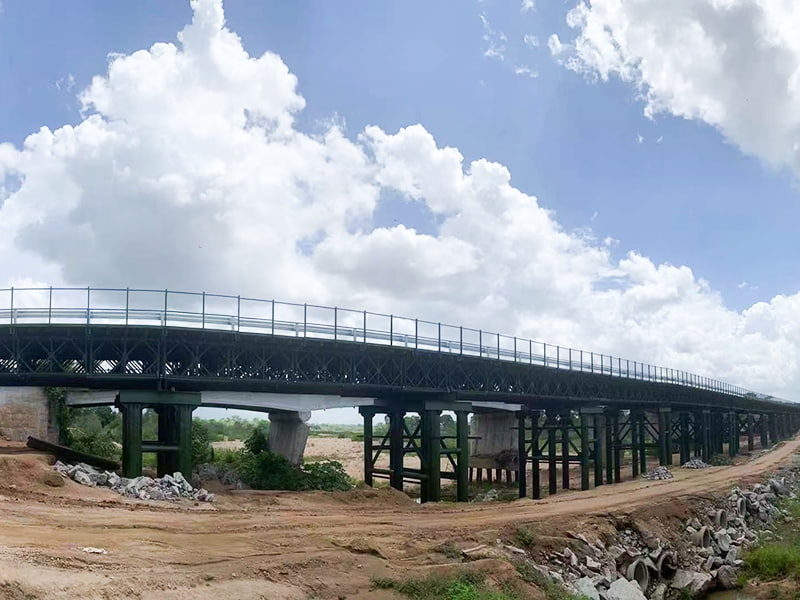
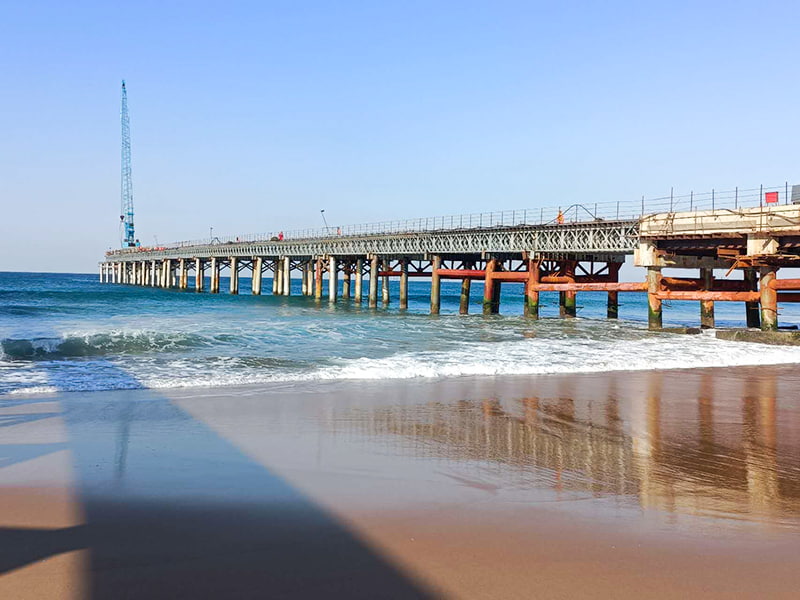
The Customized Bridge service we offer is dedicated to creating the most suitable solutions tailored to our clients' specific needs. Based on the detailed requirements provided by the client, such as bridge span, load capacity, service life, site terrain (such as mountains, valleys, rivers, or coastal areas), climatic conditions, and relevant compliance standards, we can design and customize a bridge solution with precision. Through this customized service, we ensure that each bridge is highly matched to its actual usage scenario in terms of performance, thereby providing a stable, reliable, and efficient bridge structure that meets the personalized needs of different projects, ensuring safety and durability.
A TRUSTED MANUFACTURER OF MODULAR STEEL BRIDGES




 ZHONGHAI BRIDGES
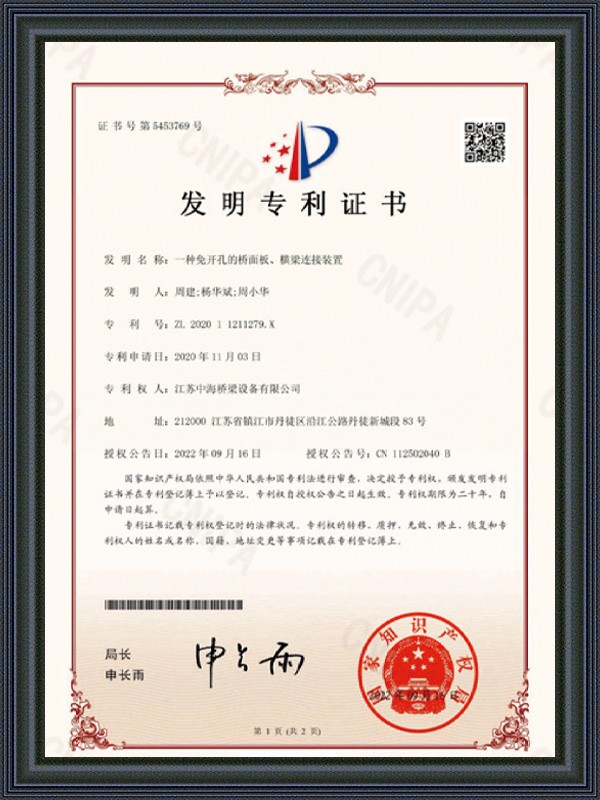
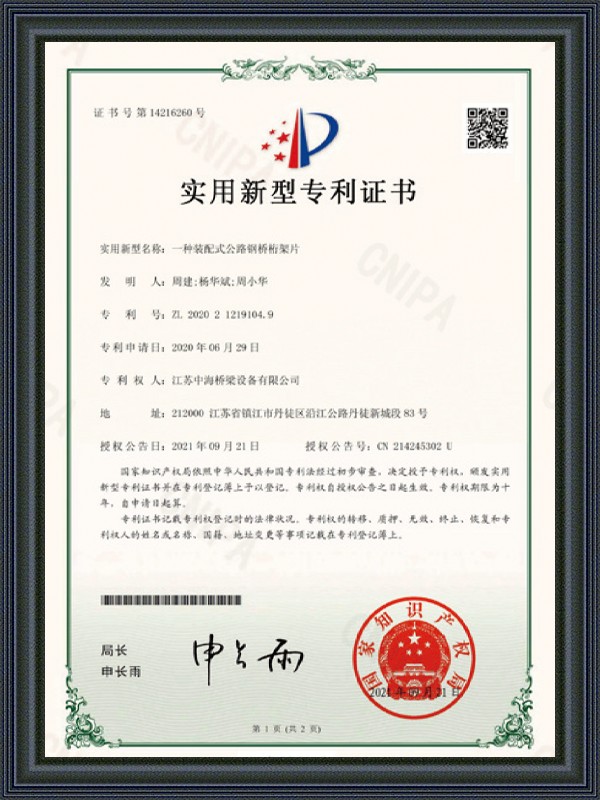
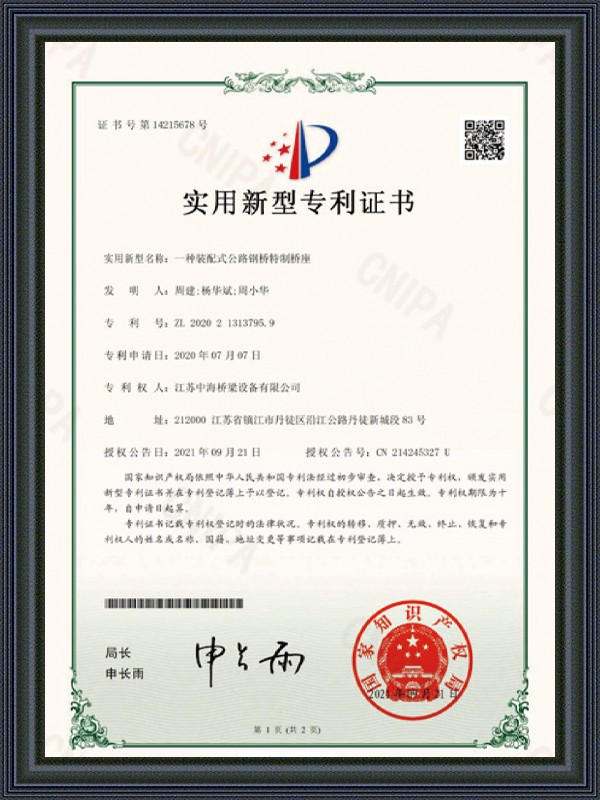
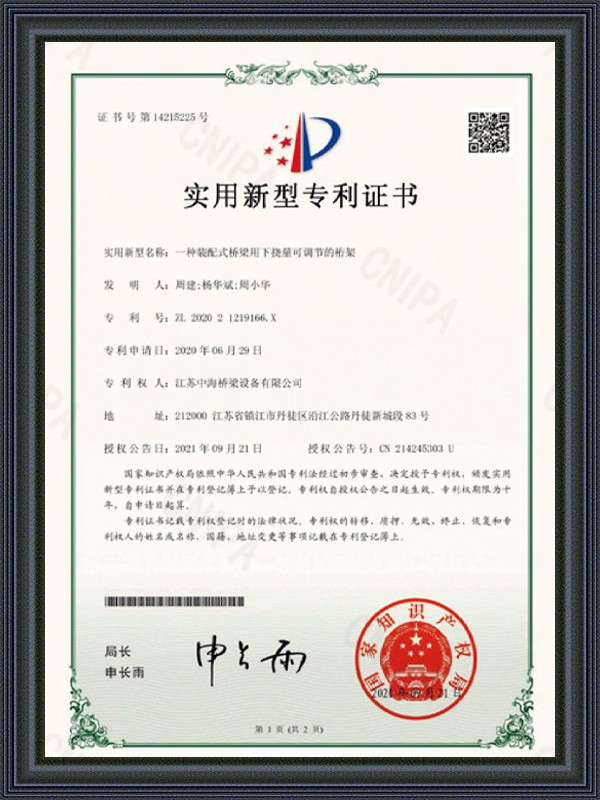
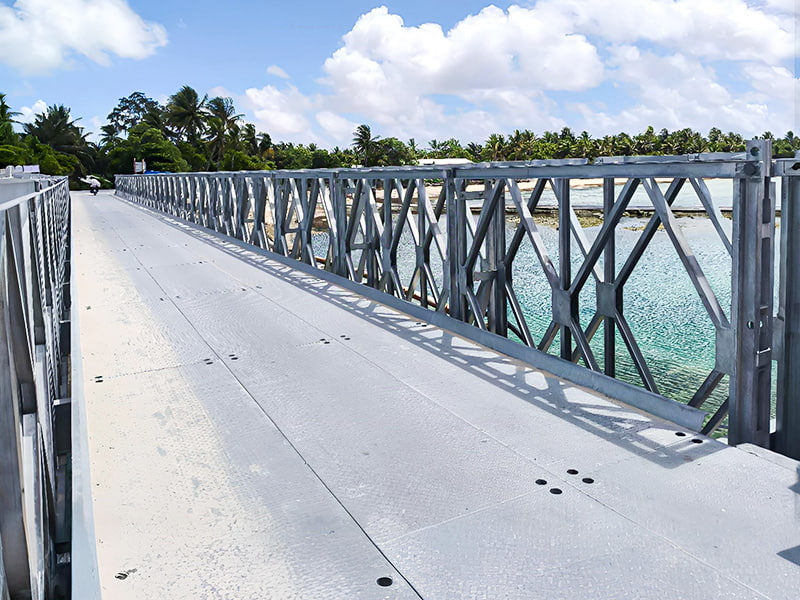
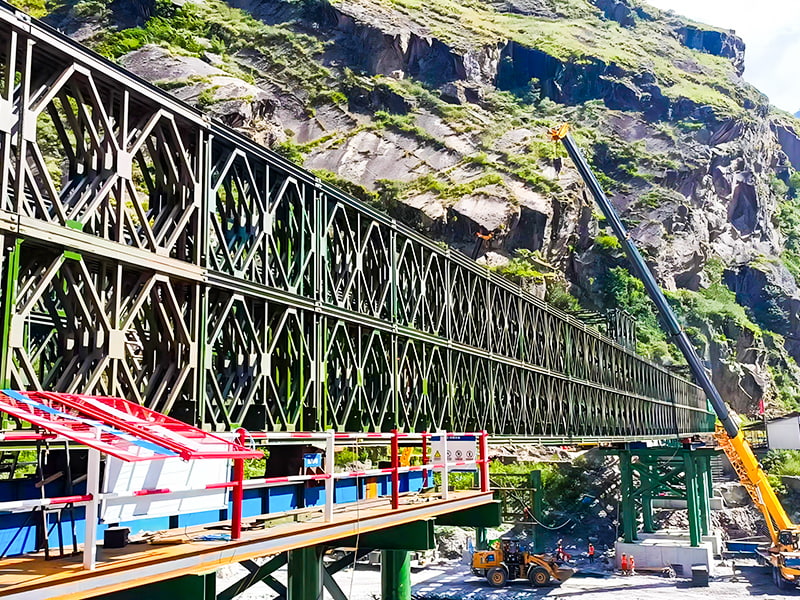
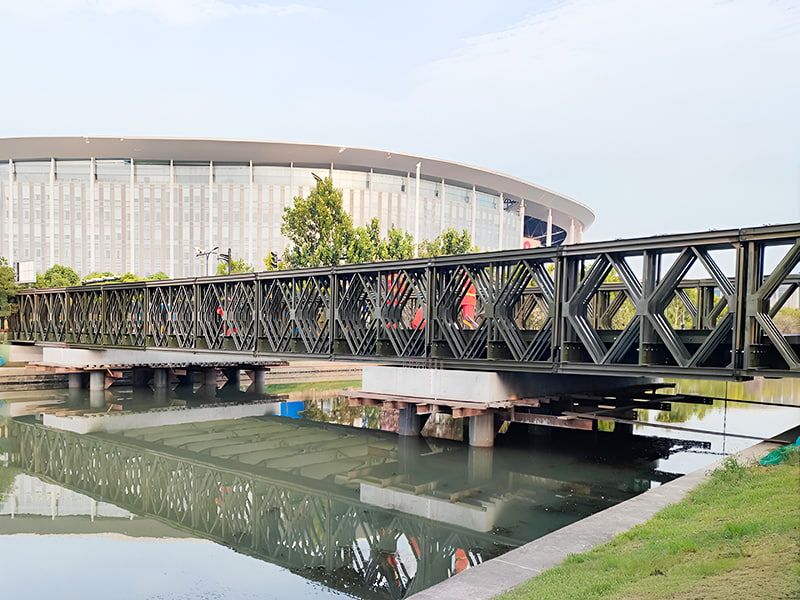
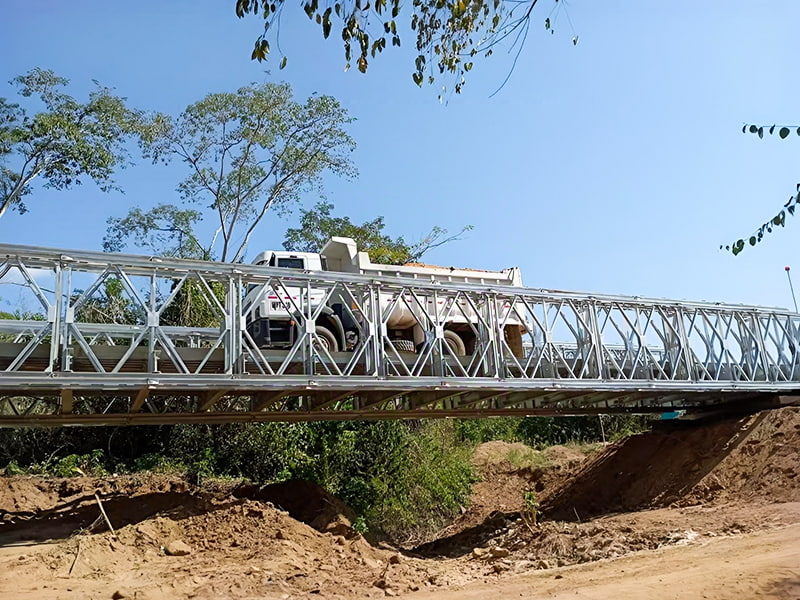
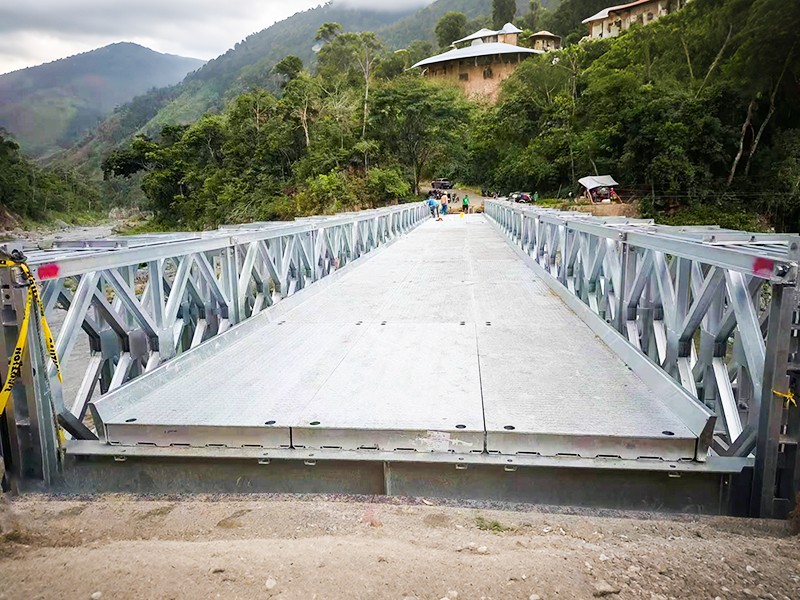
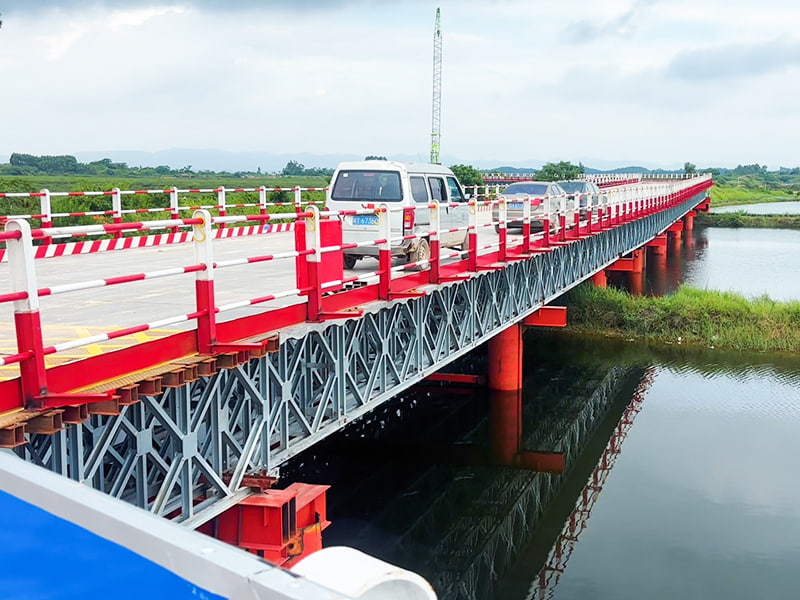
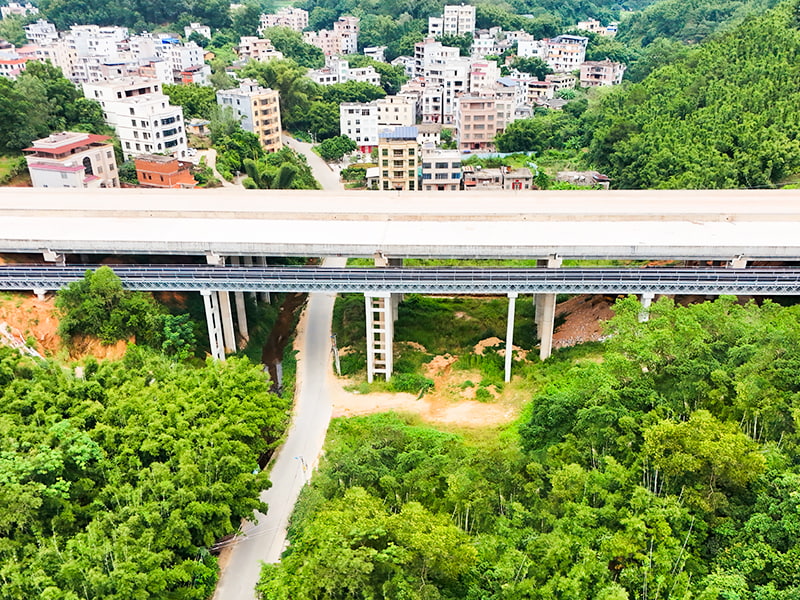
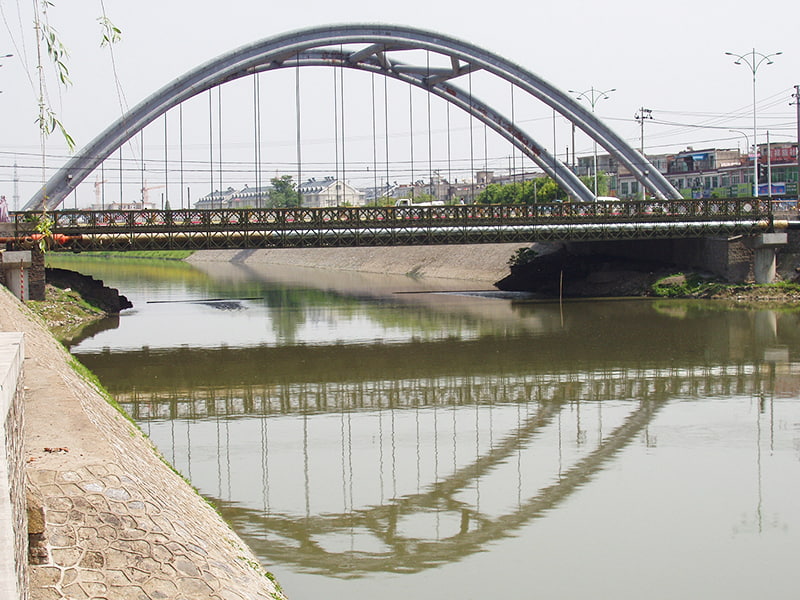
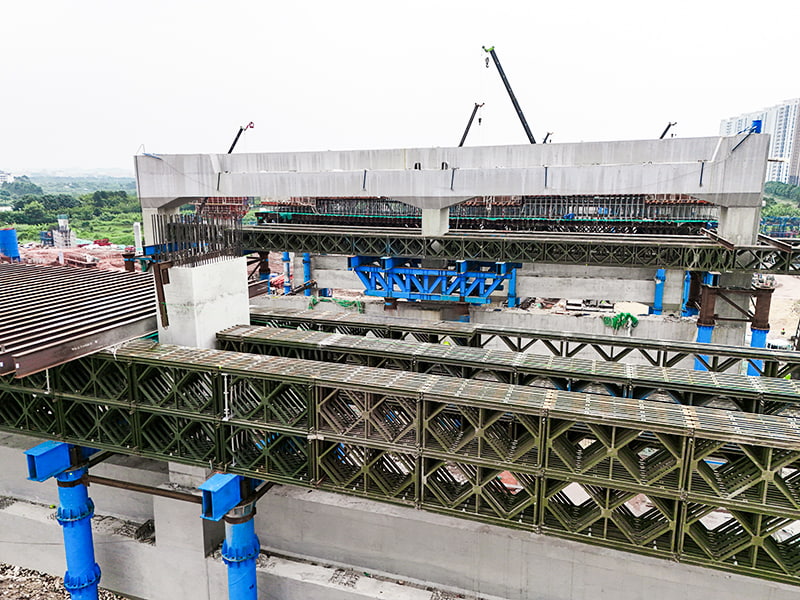
Modular steel bridging has always relied on a simple promise: standard panels, standard trusses, predictable assembly. Yet not every crossing cooperates with a catalog. Skewed abutments, oversized convoy loads, corrosive coastal air, or an odd span length between two banks can all push a project past what an off-the-shelf panel set can handle. This is the territory of the Customized Bailey Bridge — and more broadly, the Customized Bridge discipline that covers reinforced trusses, adapted geometries, and site-specific connection hardware. Understanding when and why a project needs to move beyond standard specifications is as much a part of bridge engineering as the steel itself.
At Jiangsu Zhonghai Bridge Equipment Co., Ltd, project inquiries rarely arrive as a clean fit for a single-single or double-double panel run. A river crossing might need a span length that lands between two standard module counts. A mining haul road might carry axle loads well above what a catalog truss was rated for. A temporary military or emergency-response crossing might need to sit on an uneven bank with no time to regrade the approach. Each of these situations shares one trait: the geometry, the load path, or the connection detail no longer matches a pre-engineered panel set.
This is where a Customized Bridge approach earns its place. Rather than forcing a site to adapt to a fixed product, the truss configuration, panel spacing, and reinforcement are worked backward from the actual load case and the actual ground conditions. The result is a structure that behaves like a standard Bailey bridge in terms of rapid assembly, but is engineered for a load and span profile that a catalog panel was never meant to carry.
Illustrative comparison of design flexibility between standard and custom Bailey bridge configurations.
Custom Manufacturing for bridge components is built around precision fabrication of non-standard parts, enhanced load configurations, and project-specific structural assemblies. In practice, this means the truss isn't simply scaled up from a standard drawing — chord sections may be reinforced, panel spacing adjusted, and cross-bracing density increased depending on where the added load actually travels through the structure.
This kind of work is engineering-led before it's fabrication-led, a sequence Jiangsu Zhonghai Bridge Equipment Co., Ltd's production planning follows closely: the load case is modeled first, reinforcement points are identified, and only then does a component move to the shop floor. Getting this order right matters — a truss that is over-reinforced in the wrong location adds weight and cost without adding real capacity, while one reinforced in the right location can carry a heavier deck load using a comparable amount of steel.
Relative engineering focus when adapting a truss for enhanced load configurations, illustrative scale.
Engineering a custom truss is only half the job — it still has to be built to a tolerance that lets it bolt together in the field without on-site rework. Automated welding robots hold uniform weld penetration across long production runs, which matters when dozens of joints on the same component all need to carry load the same way. CNC cutting, drilling, and milling handle the high-precision interfaces where custom panels have to line up with standard connection points, and large-scale rolling and forming machinery shapes the truss and longitudinal members that are too large or too heavy-duty for smaller production lines.
Scale matters here as much as precision. Jiangsu Zhonghai Bridge Equipment Co., Ltd runs production capacity exceeding 60,000 tons per year, which allows oversized panels, heavy custom components, and standard modular parts to move through the same manufacturing system without one type of order displacing another. Custom components are also produced with an eye toward compatibility — geometry and connection details are worked out so the finished parts can adapt to common international bridge specifications such as ASTM, EN, BS, and AS/NZS reference frameworks, rather than existing as one-off pieces that only fit a single project.
| Process | Primary Role |
|---|---|
| Automated welding | Uniform weld penetration on load-bearing joints |
| CNC cutting, drilling, milling | High-precision connection interfaces |
| Large-scale rolling and forming | Shaping truss and longitudinal members |
| Anti-corrosion coating lines | HDG, epoxy, and zinc-rich paint finishing |
A custom truss that's engineered correctly can still underperform if the finish doesn't match the environment. Coastal crossings, industrial sites with airborne chemicals, and river crossings with constant humidity all wear steel down differently, which is why anti-corrosion treatment is chosen per project rather than applied as a single default. Hot-dip galvanizing (HDG) tends to suit long-term outdoor exposure, epoxy systems are often selected where an additional barrier coat is useful over a galvanized base, and zinc-rich paint offers a field-repairable option for components that may need touch-up after assembly.
The choice of coating connects directly back to how a custom bridge component is shaped in the first place. Oversized panels, heavy custom components, and special joint geometries all have to be finished evenly, including at the tailored assembly interfaces that let a custom section connect to standard Bailey panels on-site. This is the detail-level work — matching a special joint's coating and connection geometry to the rest of the structure — that separates a custom component from a modified standard one, and it's a step Jiangsu Zhonghai Bridge Equipment Co., Ltd treats as part of the fabrication process rather than an afterthought.
Illustrative relative protective performance trend of common coating options over prolonged exposure.
A component becomes customized when its geometry, load rating, or connection interface is derived from a specific project's requirements rather than pulled from a fixed catalog size. This can be as focused as a reinforced chord section or as broad as a full heavy-duty truss system built around a non-standard span and load case.
Yes, that compatibility is usually a design requirement, not an accident. Tailored assembly interfaces are engineered so a custom section can bolt into a standard panel run, which keeps the overall structure buildable with familiar field procedures.
It starts with the actual load case for the site — vehicle class, axle configuration, or equipment weight — and works backward to identify where chord reinforcement, panel spacing, or bracing density needs to change to safely carry that load across the required span.
Hot-dip galvanizing is commonly favored for sustained outdoor and humid exposure, sometimes paired with an epoxy topcoat for added barrier protection. Zinc-rich paint is often kept in reserve for field touch-ups after assembly rather than as the primary finish.
No. Non-standard geometry manufacturing covers oversized panels and heavy components, but it equally applies to smaller special joints or connection pieces that need a shape or tolerance a standard part number doesn't offer.

Product Category
Bailey Bridge/Modular Bridge Modular Steel Bridge Pedestrian Bridge Modular Pipe Bridge Truss Bridge Steel StructureContact Us


Copyright © Jiangsu Zhonghai Bridge Equipment Co., Ltd. All
Rights
Reserved
OEM customized bridge supplier
customized bailey bridge factory
