
 English
  русский
  Español
  Português
 Call us
+86-511-84522866

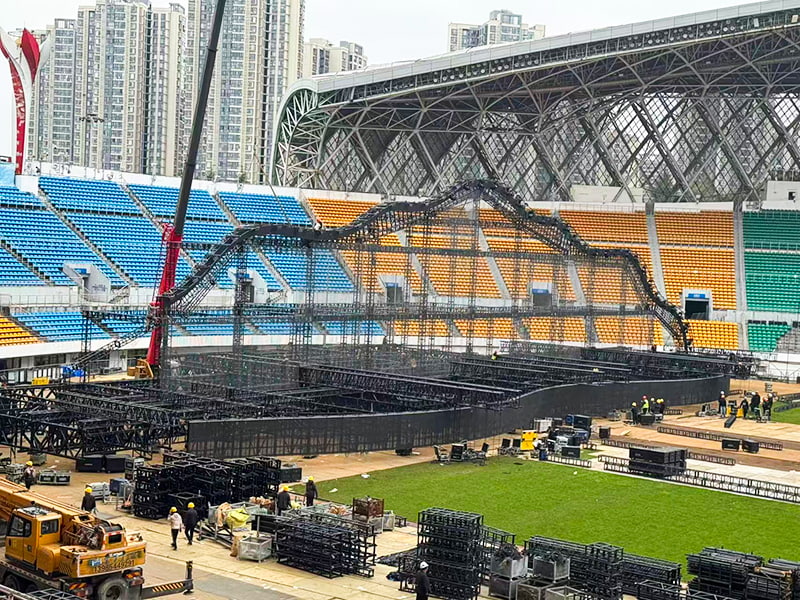

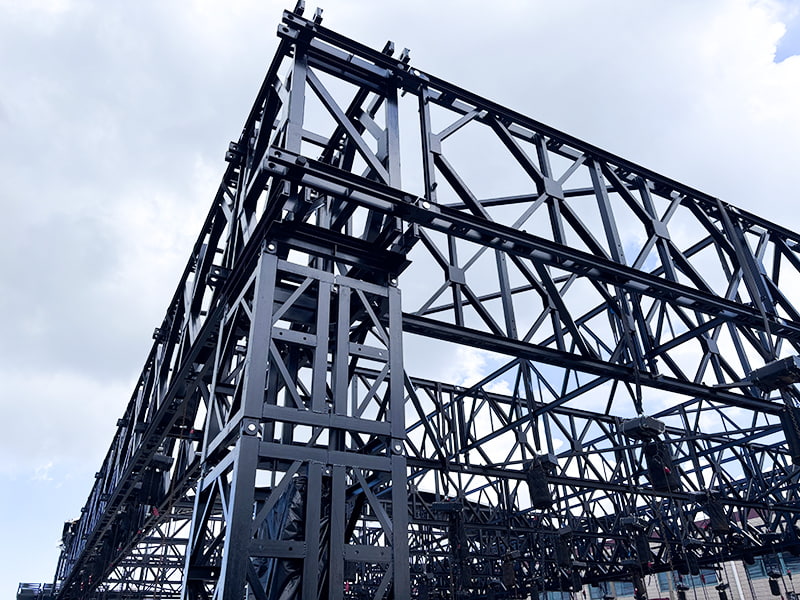
A Stage support frame is a modular support structure designed specifically for stage construction, capable of providing multiple functions such as vertical load-bearing, horizontal stability, and spatial shaping. Its core function is to support the stage platform, lighting, and sound equipment, props, and personnel loads, ensuring good safety and stability during performances.
The Stage support frame is suitable for a variety of performance and event scenarios, including indoor and outdoor stage performances, exhibitions, and various celebratory events. Due to its modular design, the support frame can be flexibly combined to meet the spatial requirements of different stage setups and accommodate different venue construction needs. Whether for large performances or small events, the Stage support frame provides stable and reliable support, ensuring the safe use of the stage and enhancing the overall effect of the event.
A TRUSTED MANUFACTURER OF MODULAR STEEL BRIDGES



 ZHONGHAI BRIDGES
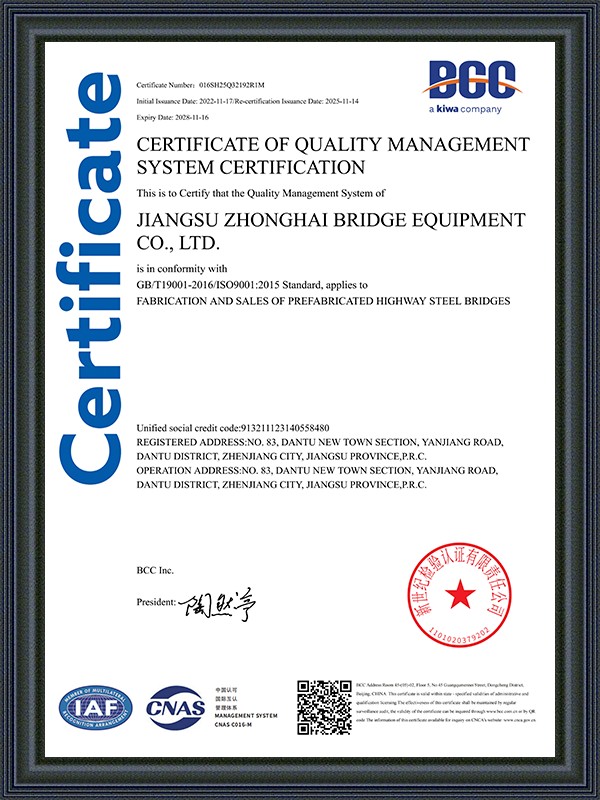
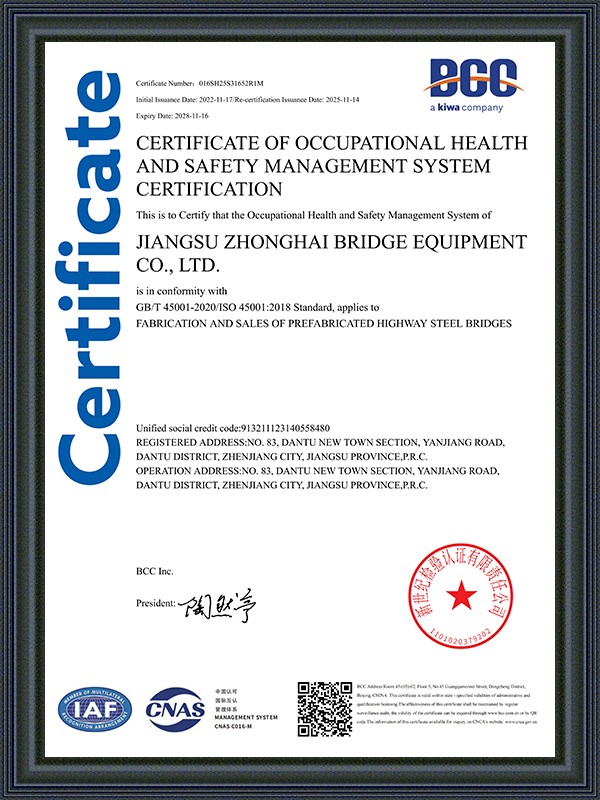
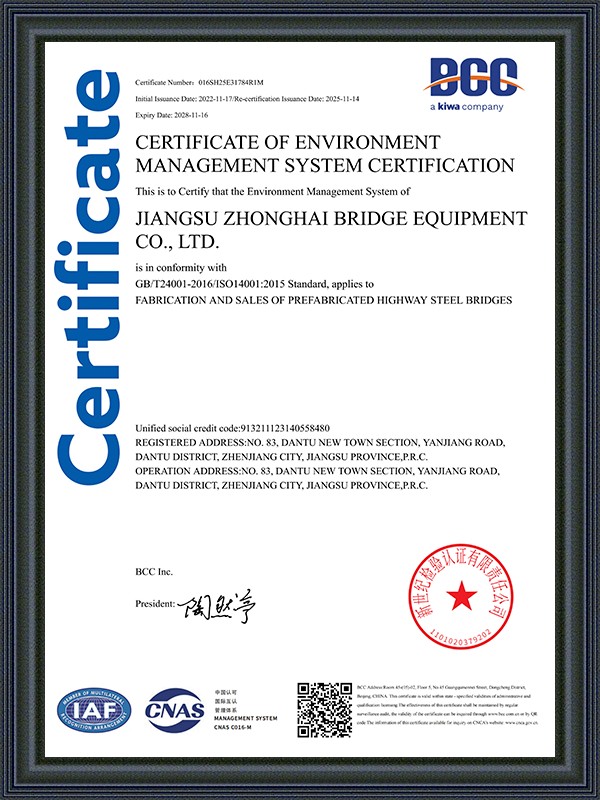
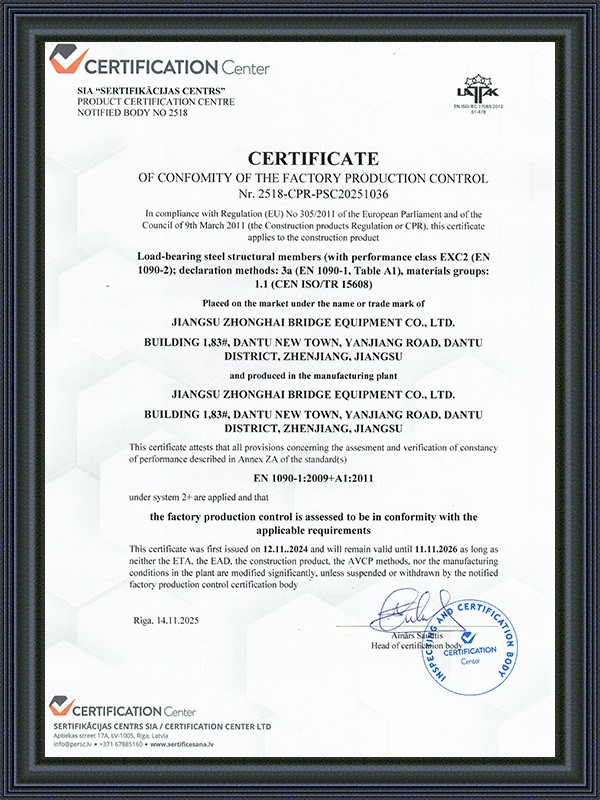
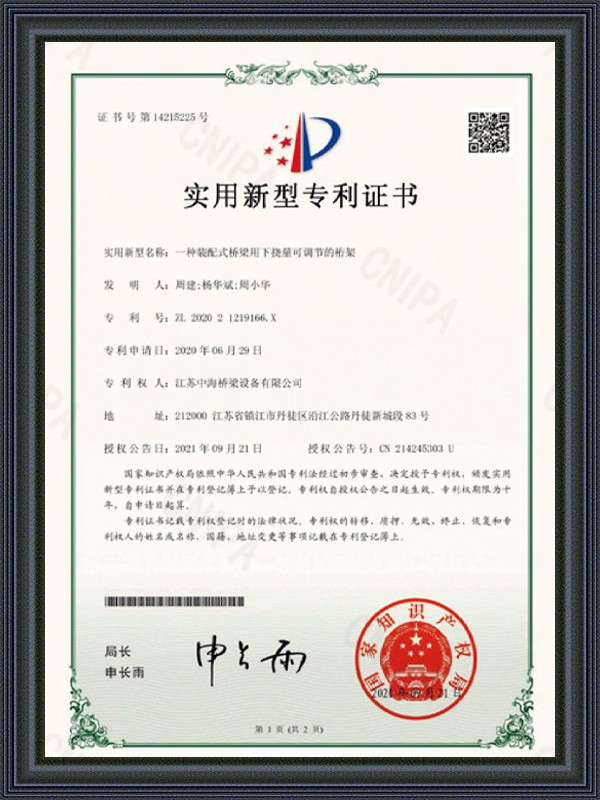
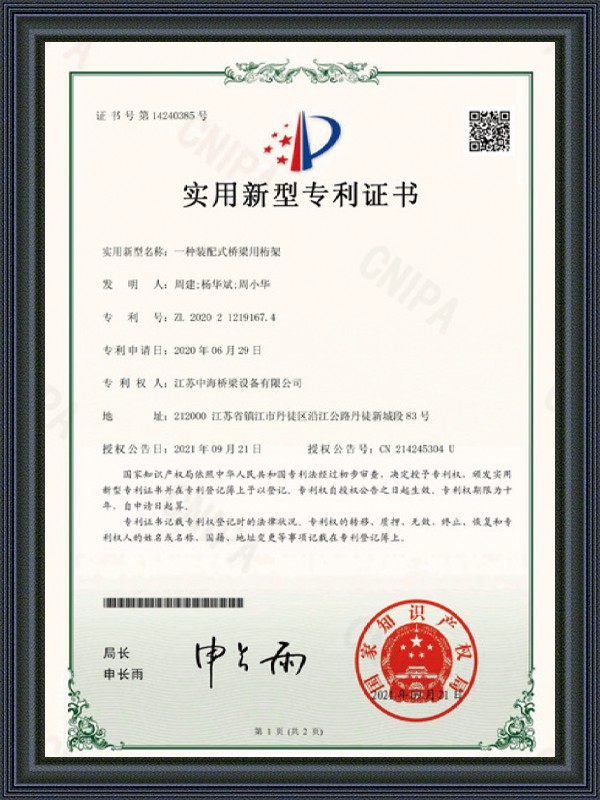
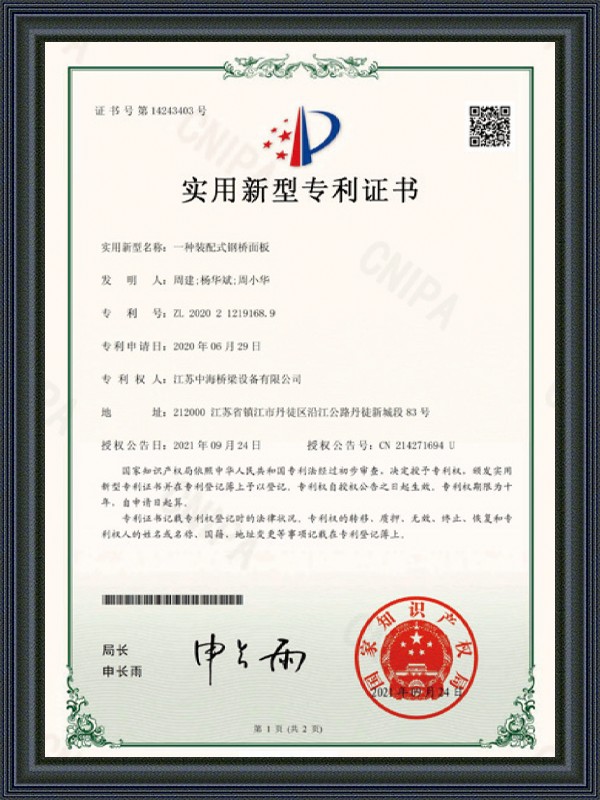
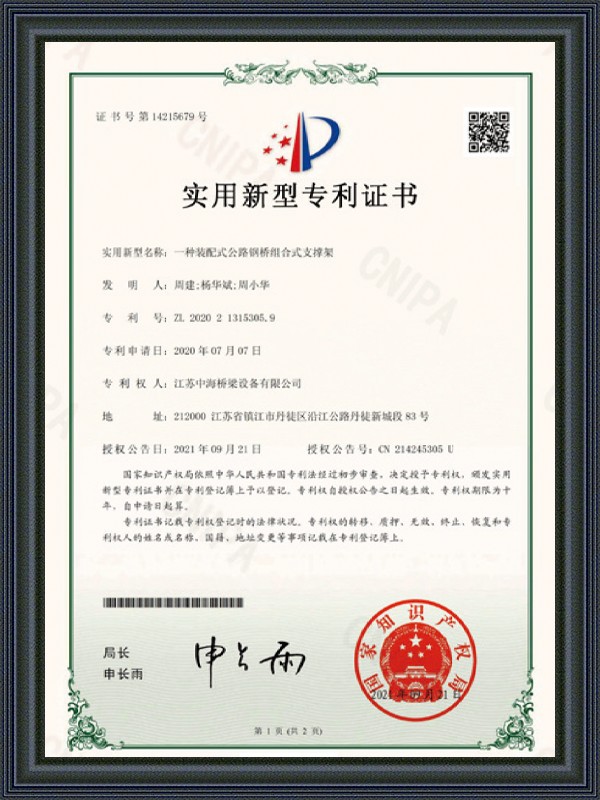
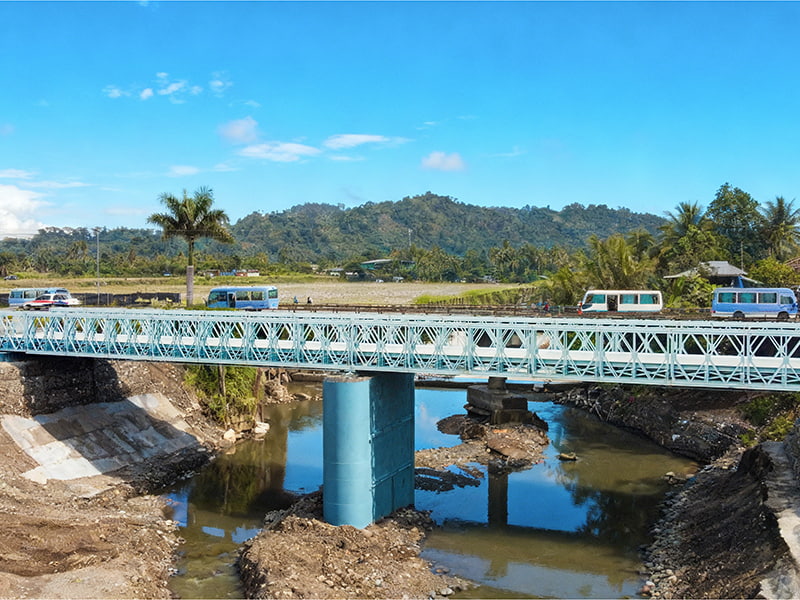
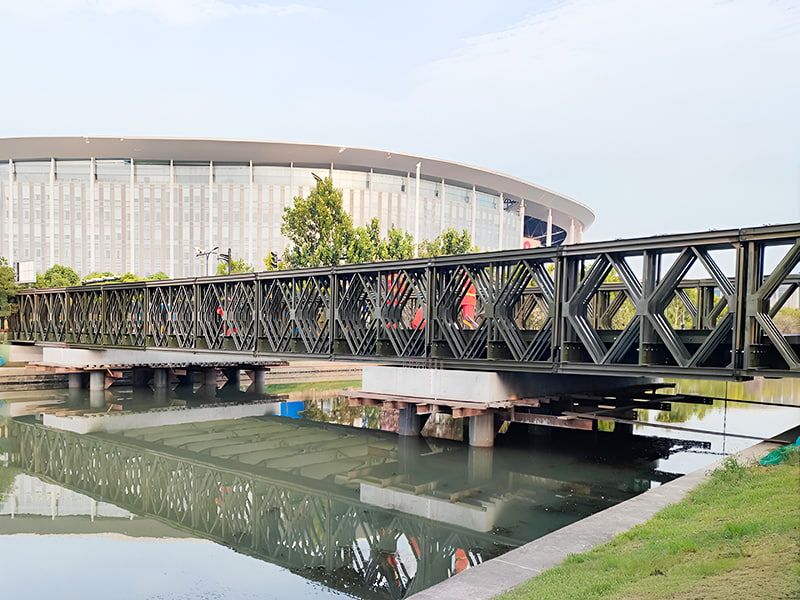
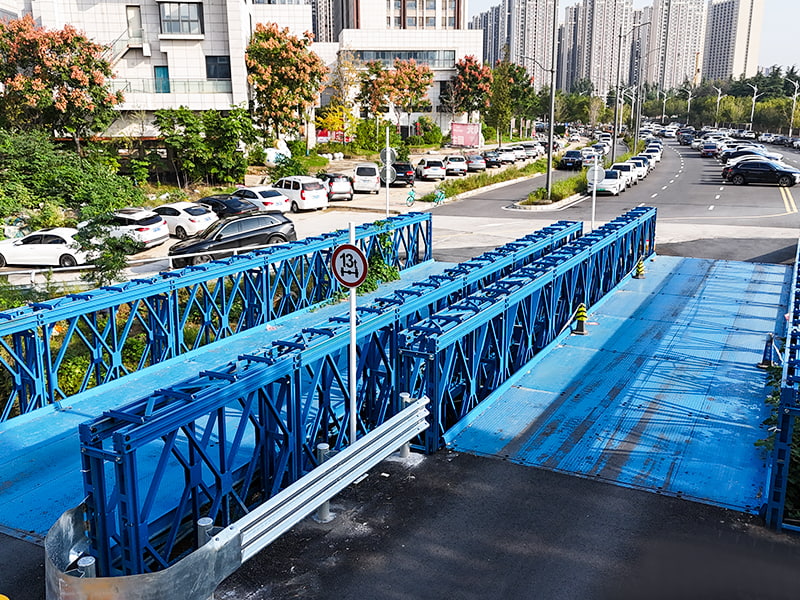
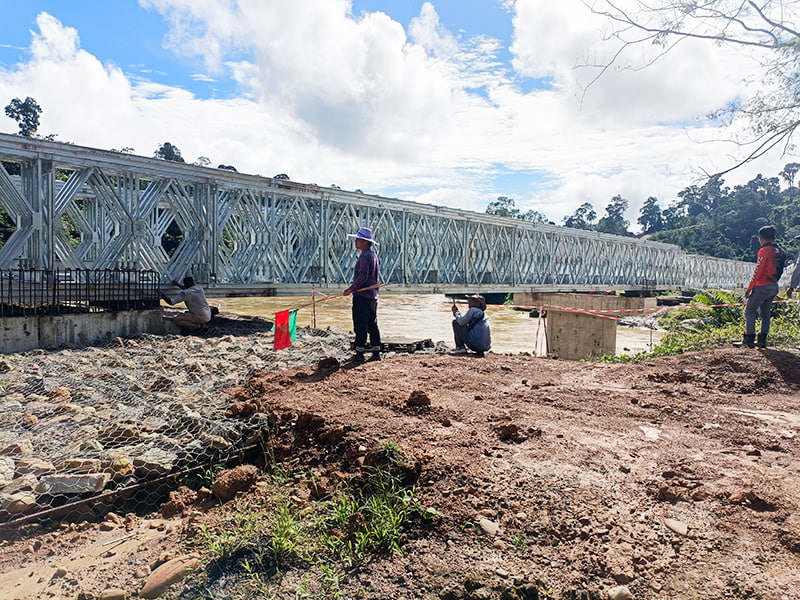
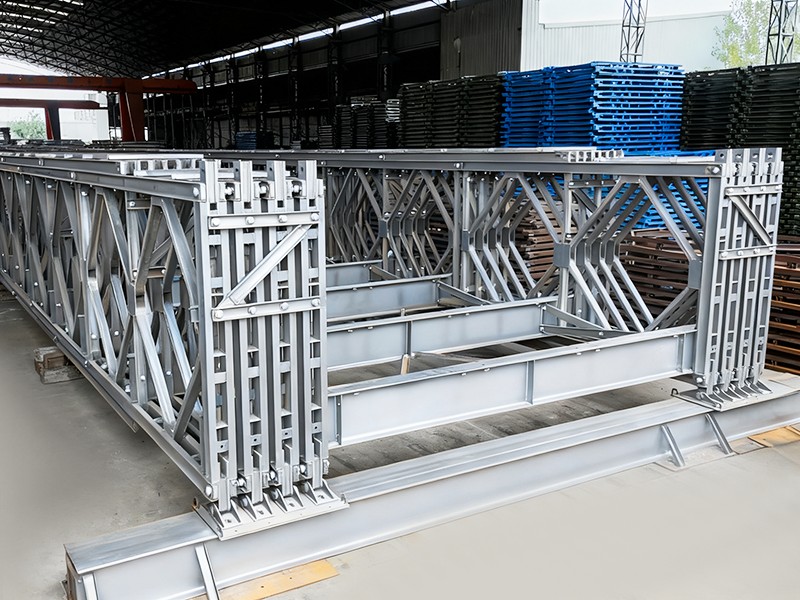
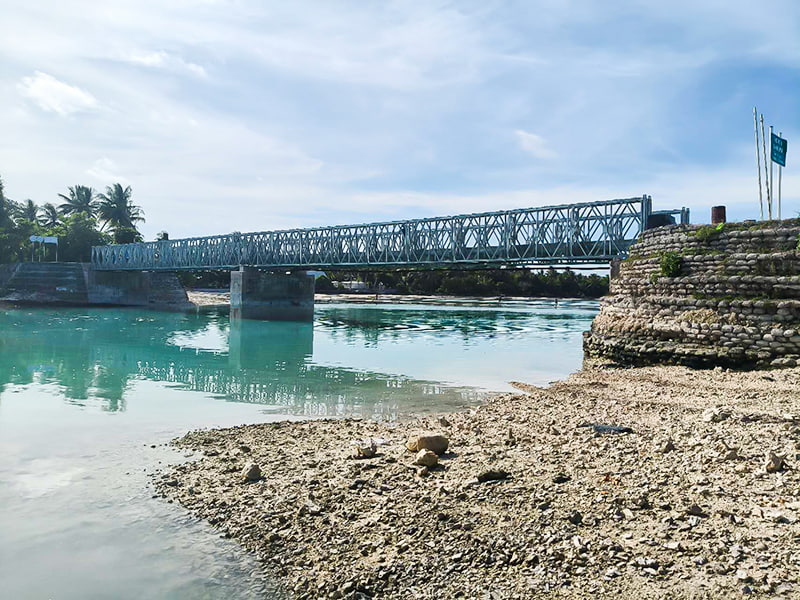
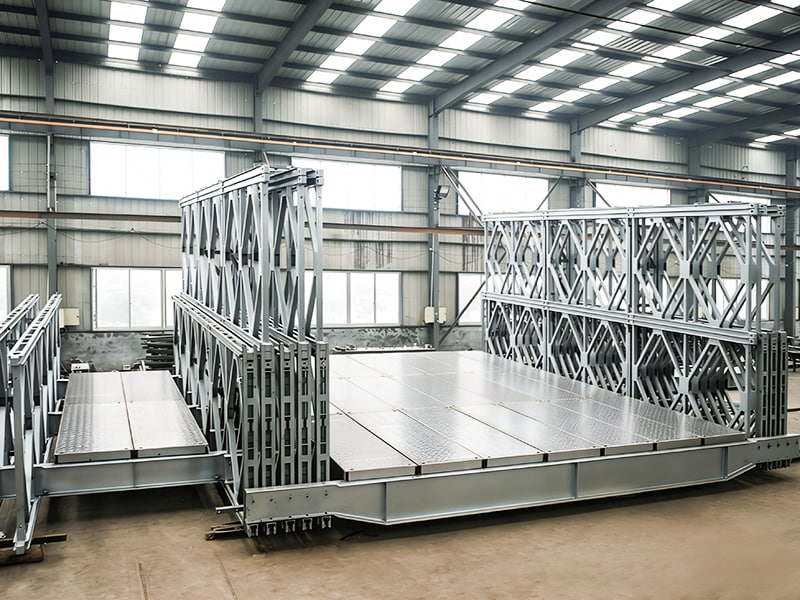
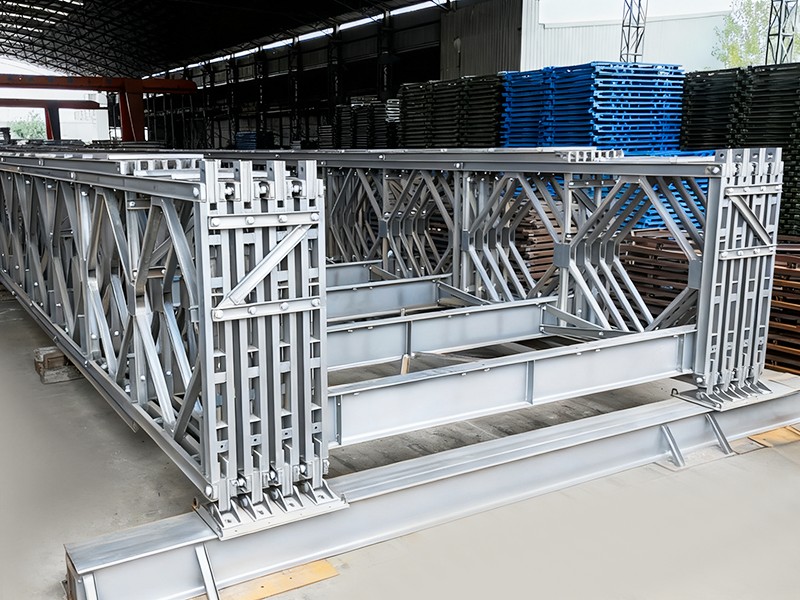
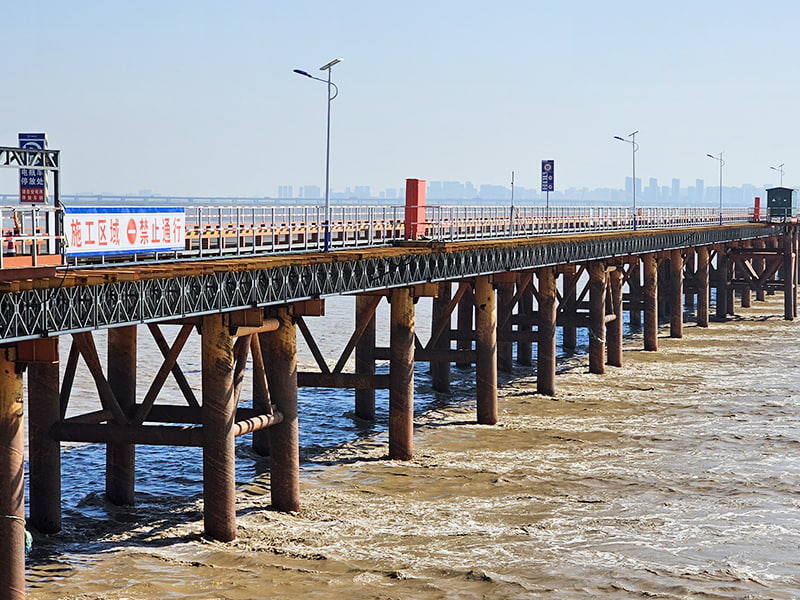
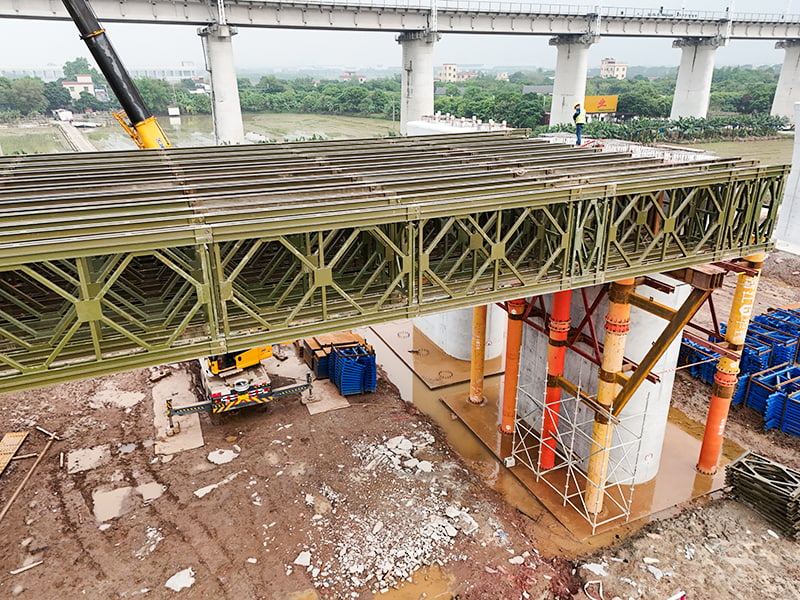
A stage support frame is the structural backbone that carries deck panels, roadway sections, or working platforms above the ground or water surface, distributing load down into footings, piers, or temporary foundations. In modular bridging and heavy-structure work, this component sits at the intersection of two disciplines: it must behave like a permanent load-bearing structure while still being fast to assemble, disassemble, and relocate. The scope of a stage support frame system typically covers vertical support towers, bracing members, base plates, adjustable jacks for leveling on uneven ground, and connection hardware that ties the frame into the deck above and the foundation below. Because these frames are frequently the first thing installed and the last thing removed on a project, their design tolerances, load rating, and ease of handling shape how quickly an entire crossing or platform can go into service.
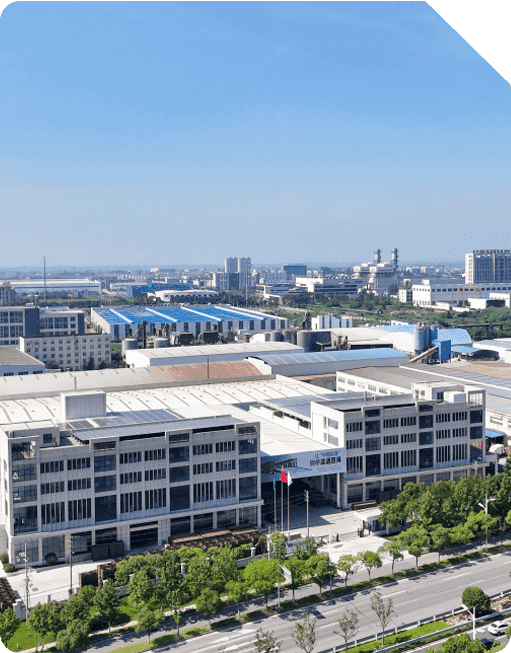
Jiangsu Zhonghai Bridge Equipment Co., Ltd approaches the stage support frame not as an isolated part but as one link in a bridging system that has to work in transportation corridors, water conservancy projects, military logistics routes, and disaster relief operations at the same time. With deep roots in the bridge equipment industry, Zhonghai integrates engineering design, precision manufacturing, quality governance, and on-site support capabilities to meet the needs of clients across these sectors, which means the same frame family often has to perform on a paved highway shoulder one month and on a soft riverbank the next.
This dual demand is why support frame planning usually starts with the ground, not the deck. A frame that is perfectly rated for vertical load can still fail a project if its footprint does not match the soil bearing capacity, or if its jack travel cannot absorb the unevenness of the site. Field teams generally check three things before a frame layout is finalized: bearing pressure under each leg, lateral stability against wind or current, and the clearance needed for traffic or water flow to pass beneath the structure.
Every stage support frame has a working capacity that changes with height. A short tower carries more load than a tall one built from the same panels, because slenderness increases the risk of buckling before the material itself reaches its strength limit. The chart below illustrates a typical relationship between tower height and safe working load for a modular leg-frame tower, using representative figures for a mid-size steel frame system.
Illustrative working-load reduction as a modular support tower increases in height, single-tower configuration.
This is exactly the kind of curve a frame layout has to respect. Our factory operates with advanced automation and standardized workflows, enabling us to produce high-strength modular bridge systems that comply with ASTM, EN, and national specifications, which gives project engineers a consistent starting point when they cross-check height against required capacity for a given span and traffic class.
On compacted road base, a frame footing can usually sit directly on a steel sole plate. On riverbank silt, saturated soil, or a sloped embankment, teams typically add timber mats, spreader plates, or short piling under each leg to bring bearing pressure down to a safe level. Getting this wrong shows up quickly as uneven settlement, which is why leveling jacks with generous travel are treated as a standard feature rather than an upgrade.
From remote mountain regions to coastal marine climates, from rapid emergency deployment to permanent infrastructure, our solutions are built to deliver reliability when and where it matters most. A frame destined for a coastal water conservancy job faces a different corrosion environment than one used for a short-term highway detour inland, so surface treatment and joint hardware selection are matched to how long the structure is expected to stay in place.
| Site Condition | Typical Footing Treatment | Main Risk If Skipped |
|---|---|---|
| Compacted road base | Sole plate directly under leg | Minor point-load cracking |
| Riverbank silt | Timber mat plus spreader plate | Uneven settlement, frame tilt |
| Sloped embankment | Stepped short piling per leg | Lateral slip under load |
| Marine coastal zone | Corrosion-matched hardware, raised base | Accelerated joint wear |
Support frame demand tracks closely with the sectors a bridging supplier serves. Products in this category are engineered for use in:
Each of these use cases pulls the frame in a different direction. A highway job values repeatable geometry and fast reuse across many spans. A disaster relief deployment values how quickly a crew unfamiliar with the site can erect a stable tower with minimal equipment. The radar comparison below shows how four priorities generally shift across two common deployment types: planned infrastructure work and emergency response.
This is consistent with the description Zhonghai gives of its own position in the market: Zhonghai is not only a manufacturer, it is a solutions provider focused on helping clients build safer, faster, and more efficient connections worldwide, since a single product line rarely satisfies both a planned highway program and a rapid-response relief route without adjustments to how it is packaged and supported on site.
A support frame is rarely erected as a single unit. It goes up leg by leg, bay by bay, with bracing added as each level is completed so the partially built structure never sits unbraced under its own weight. The line below shows a representative build sequence for a three-level frame tower, tracking how many bays are typically complete at each stage of a coordinated crew's work session.
Representative bracing-complete progression for a coordinated crew erecting a three-level frame tower.
The pattern that matters here is that bracing keeps pace with height, not the other way around. Crews that try to stack levels first and brace later create a temporarily unstable structure, which is one of the most common causes of rework on fast-moving projects. Standardized connection hardware helps here because it removes ambiguity about which brace goes where, letting less experienced crew members follow the same sequence every time.
Because stage support frames are load-bearing components, most project teams want more than a delivered crate of steel. Questions about leg spacing for a specific span, footing treatment for a particular soil type, or which bracing pattern suits a given wind exposure usually come up during planning, not after delivery. Getting a response quickly matters when a construction window is tight, which is why inquiry turnaround is treated as a service commitment rather than an afterthought: we will reply to inquiries within 24 hours after receiving them on working days.
Height is set by the clearance needed underneath the deck, whether that is traffic headroom, water flow, or equipment access, and then checked against the load capacity curve for that height. If the required height reduces capacity below what the deck and traffic load demand, the layout is adjusted with closer leg spacing or additional bracing rather than simply accepting the shortfall.
Yes, in most modular systems the same base components can support either use case, with the main differences being footing treatment, corrosion protection level, and how the connections are finished for long-term versus short-term service.
Typically this includes the required span and deck width, expected traffic or working load, ground condition at the support locations, and any height restrictions from the site. Clear answers on these points speed up layout confirmation considerably.
Assembly time depends heavily on crew size and site access, but modular bolted or pinned connections are chosen specifically to avoid welding or specialized tooling on site, which keeps erection speed consistent across different crews and locations.

Product Category
Bailey Bridge/Modular Bridge Modular Steel Bridge Pedestrian Bridge Modular Pipe Bridge Truss Bridge Steel StructureContact Us


Copyright © Jiangsu Zhonghai Bridge Equipment Co., Ltd. All
Rights
Reserved
OEM Stage Support Frame Supplier
Custom Stage Support Frame Factory
