
 English
  русский
  Español
  Português
Call us
+86-511-84522866

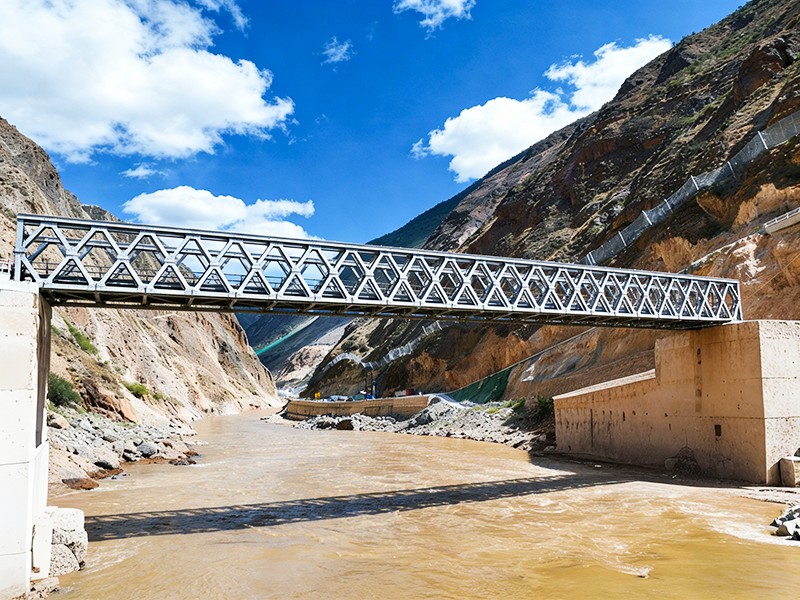

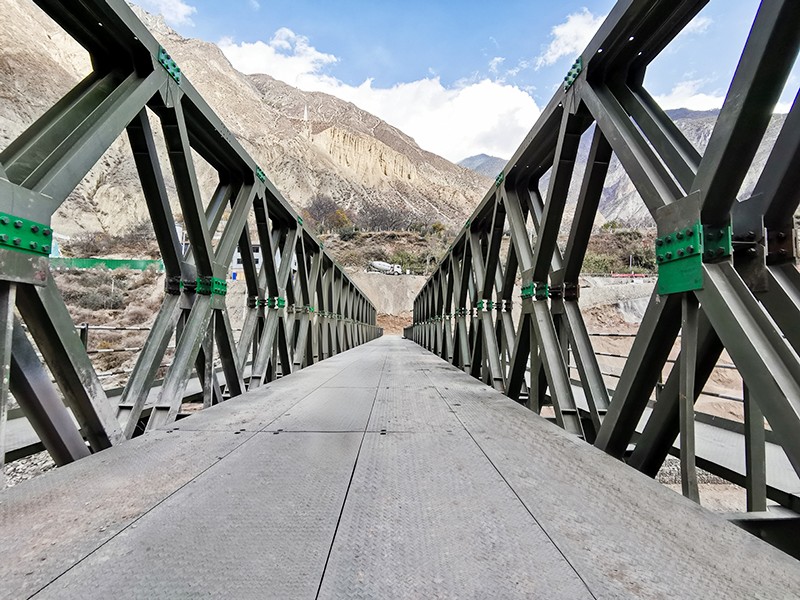
The Truss Bridge uses triangular truss units as the core load-bearing structure, with loads transmitted through the chord rods and web members via pure axial tension and compression. Unlike solid web beam bridges that rely on bending and shear forces, truss bridges are the mainstream choice for industrial pipe bridges and cross-domain transportation bridges. The main advantages include:
1. High material efficiency, with outstanding cost-effectiveness.
2. Wide span adaptability, offering flexibility and variability.
3. Efficient and convenient construction, suitable for prefabrication.
4. Simple maintenance, with a long service life.
Customized production plans are developed for different application scenarios, leveraging laser cutting material preparation and fully automated welding robot production lines, ensuring both production efficiency and processing precision. A full-service, one-stop solution is provided, including design, on-site installation guidance, and after-sales maintenance, offering comprehensive support for the long-term stable operation of the bridge.
A TRUSTED MANUFACTURER OF MODULAR STEEL BRIDGES




 ZHONGHAI BRIDGES
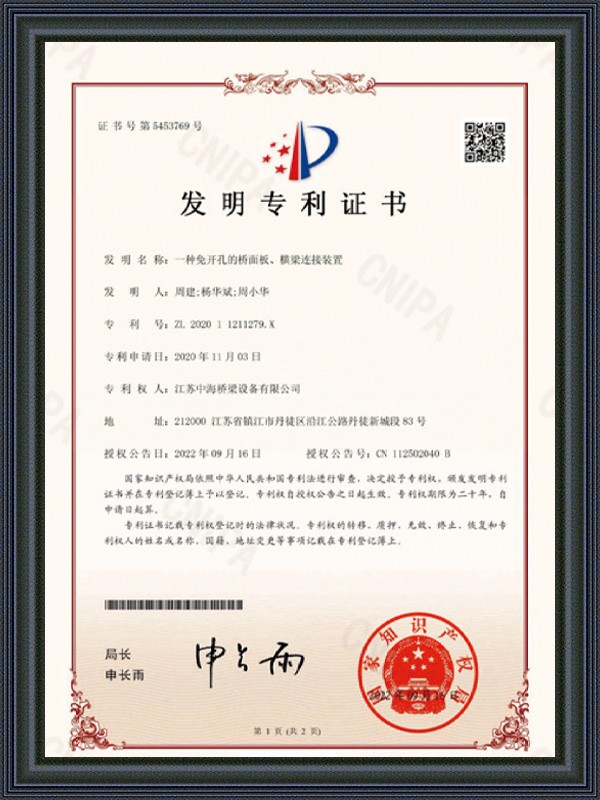
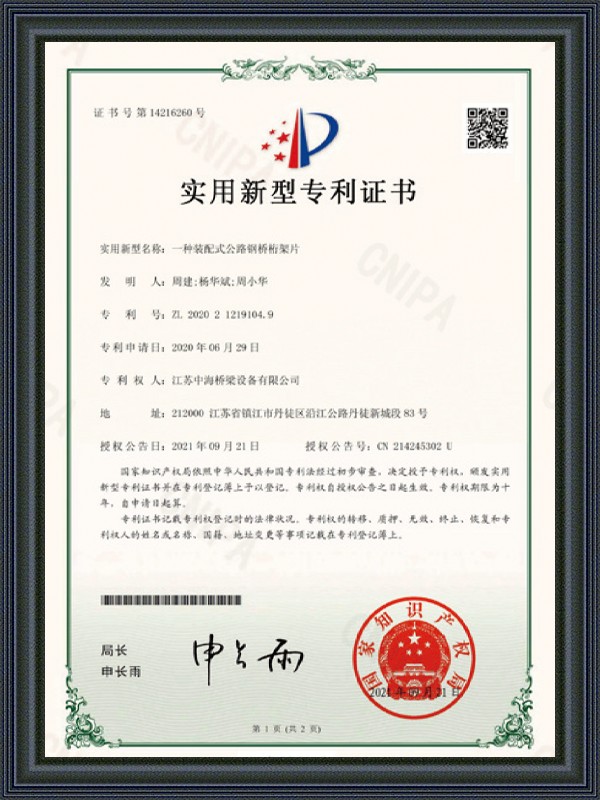
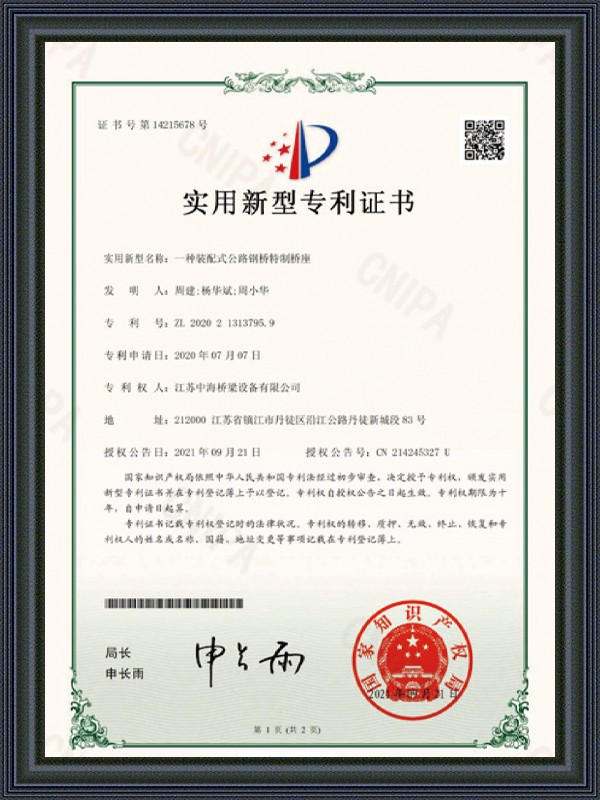
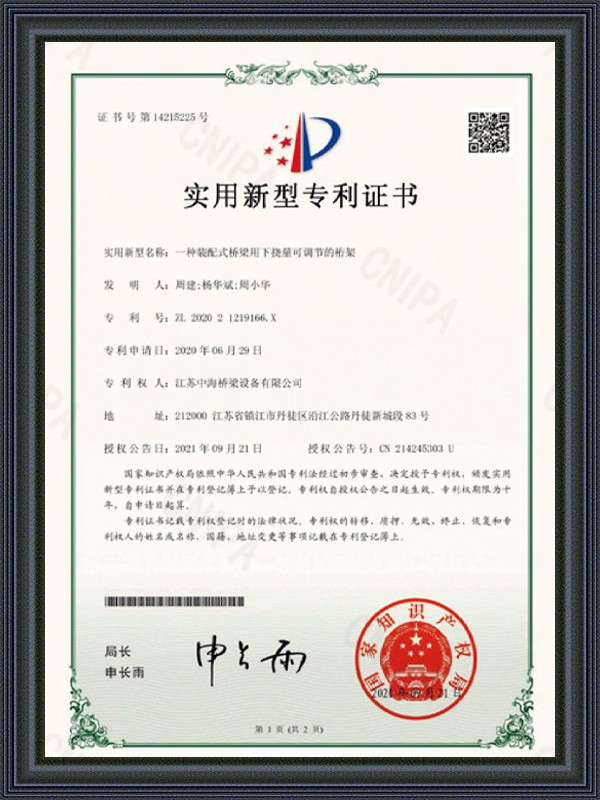
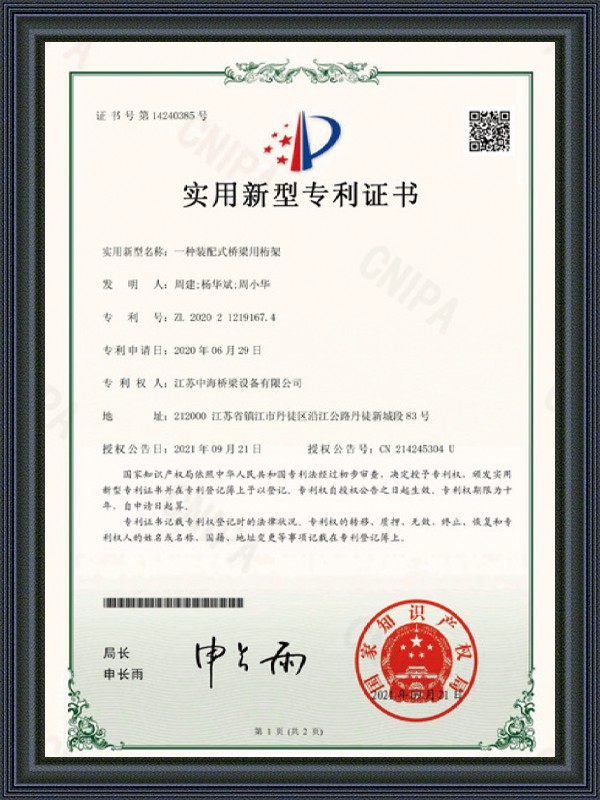
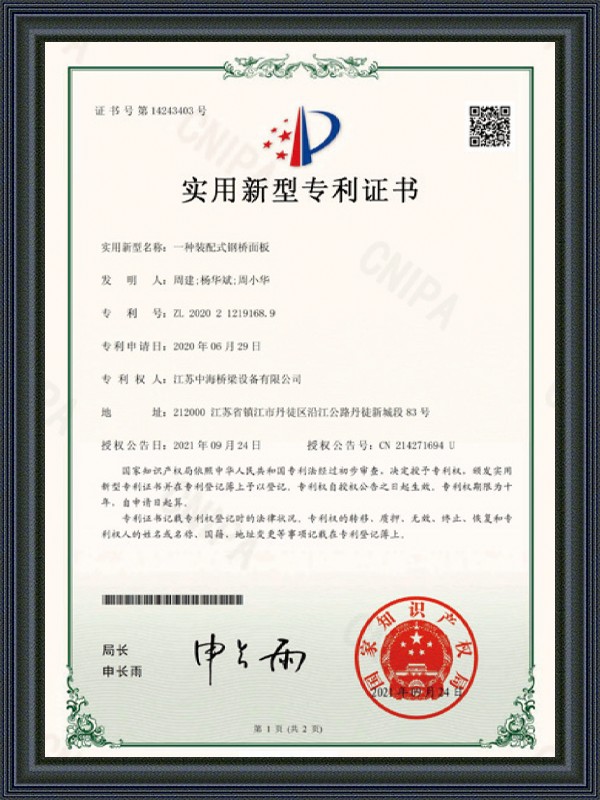
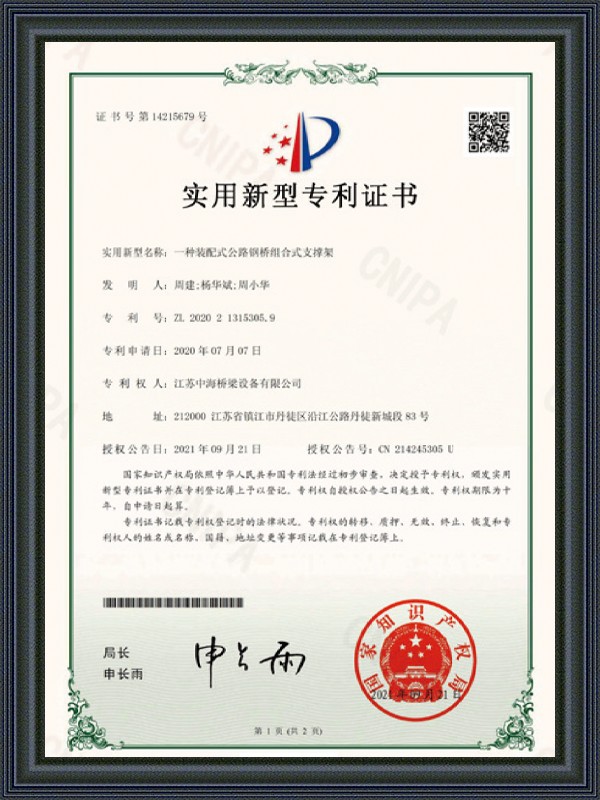
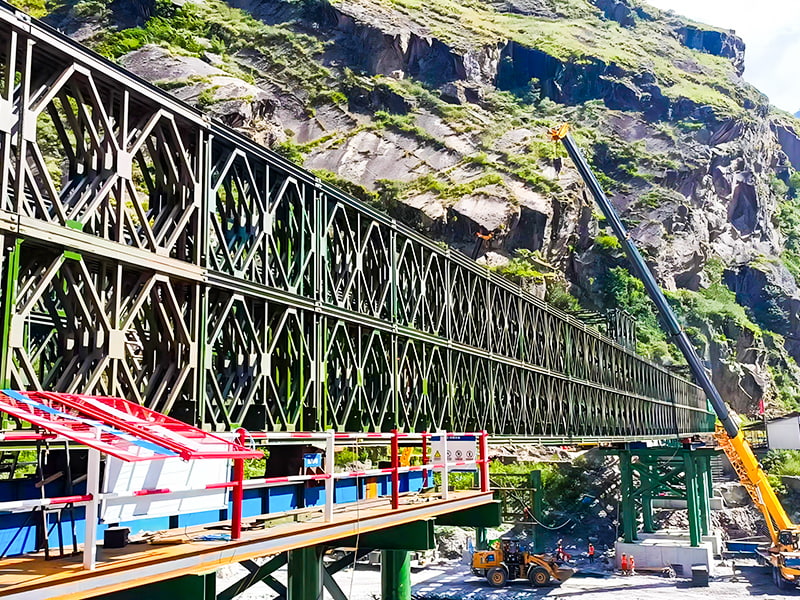
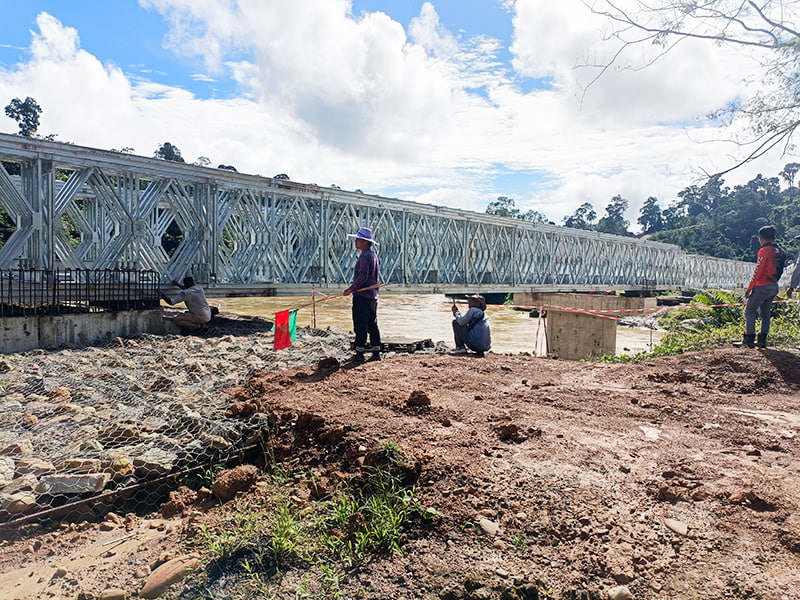
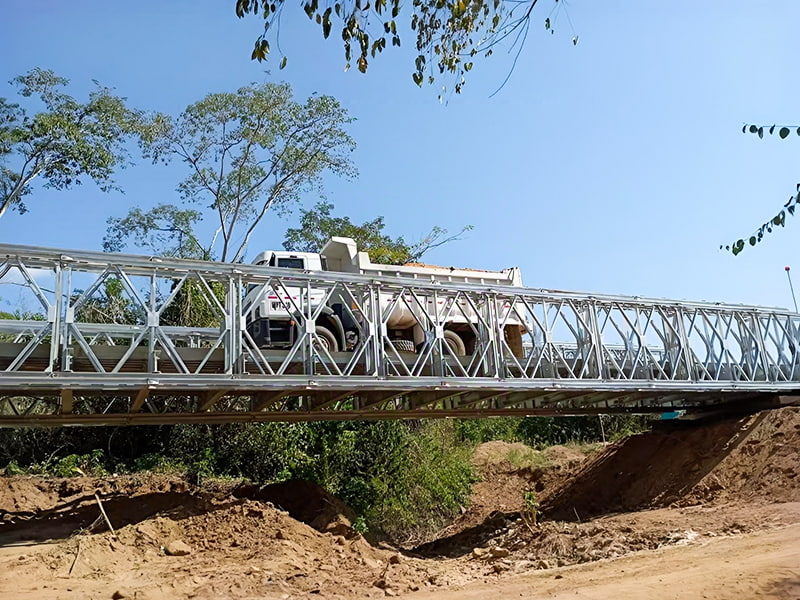
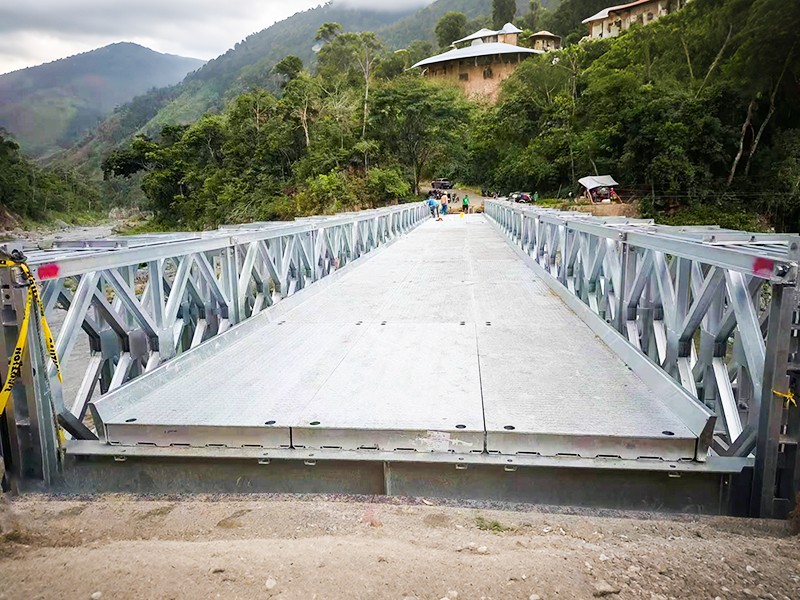
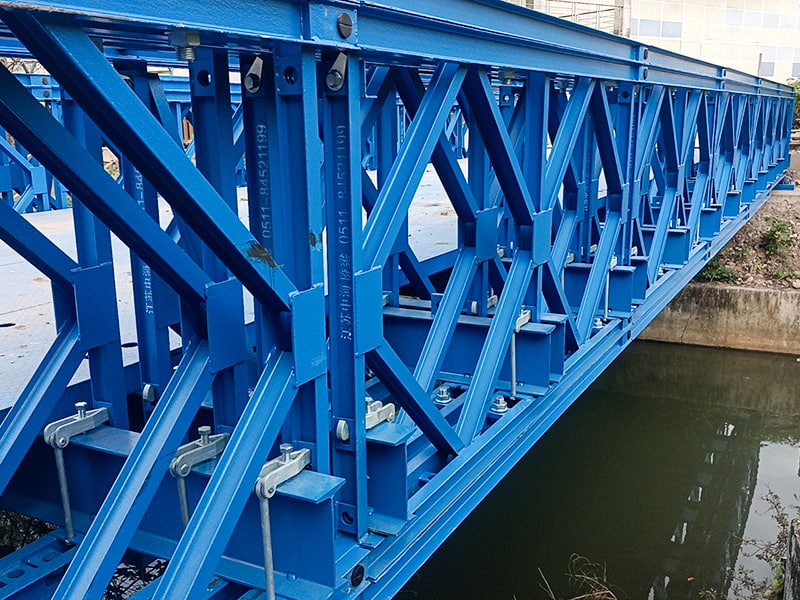
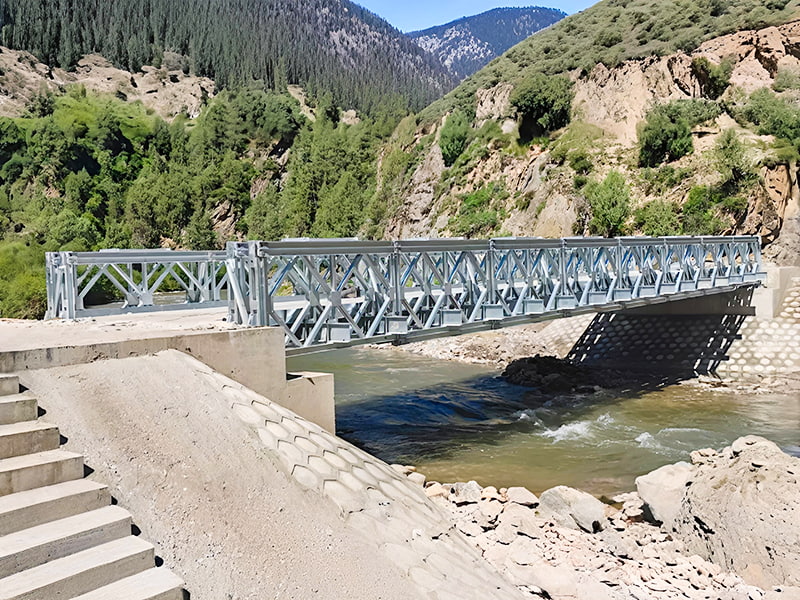
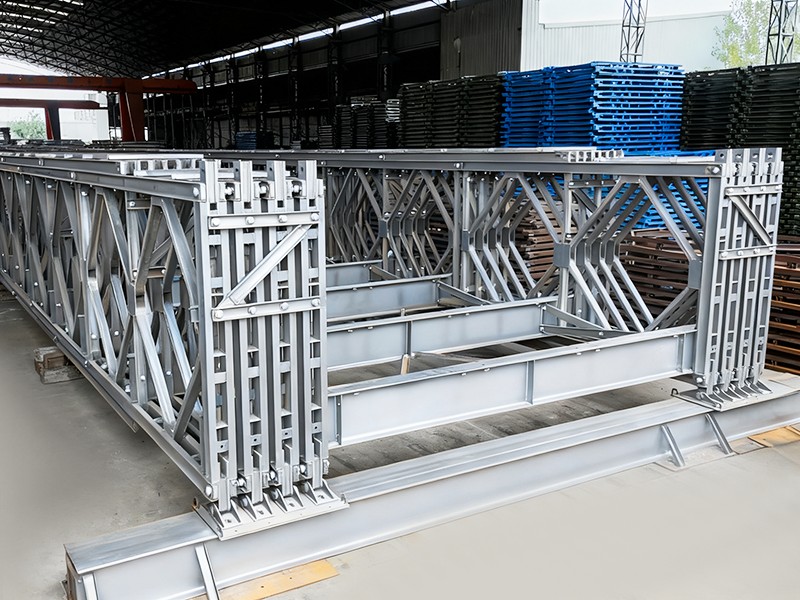
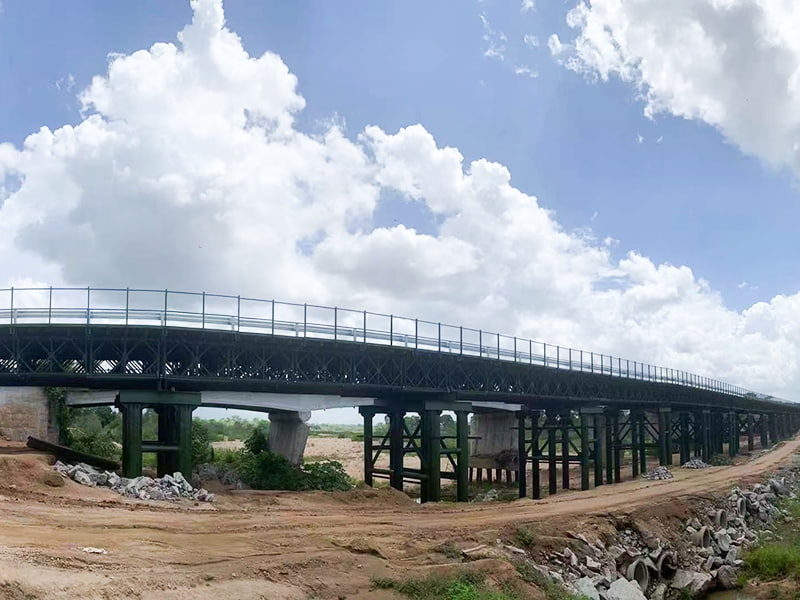
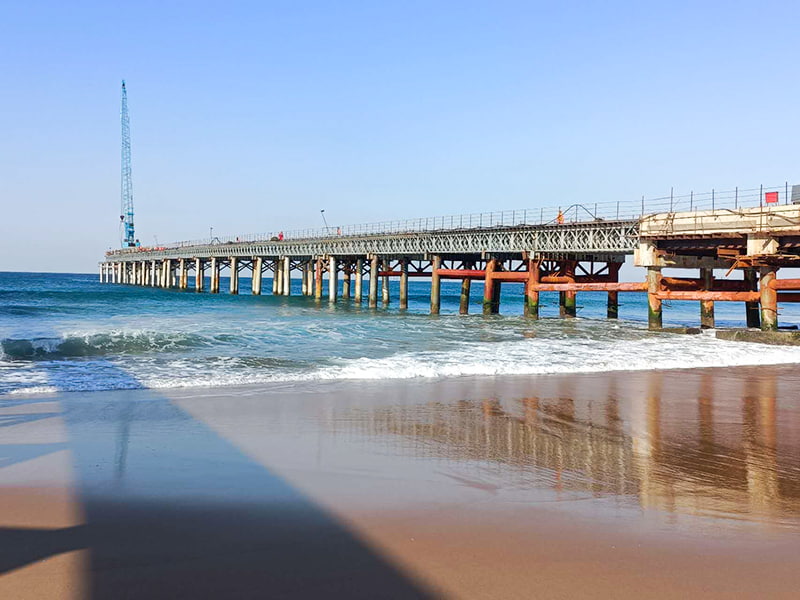
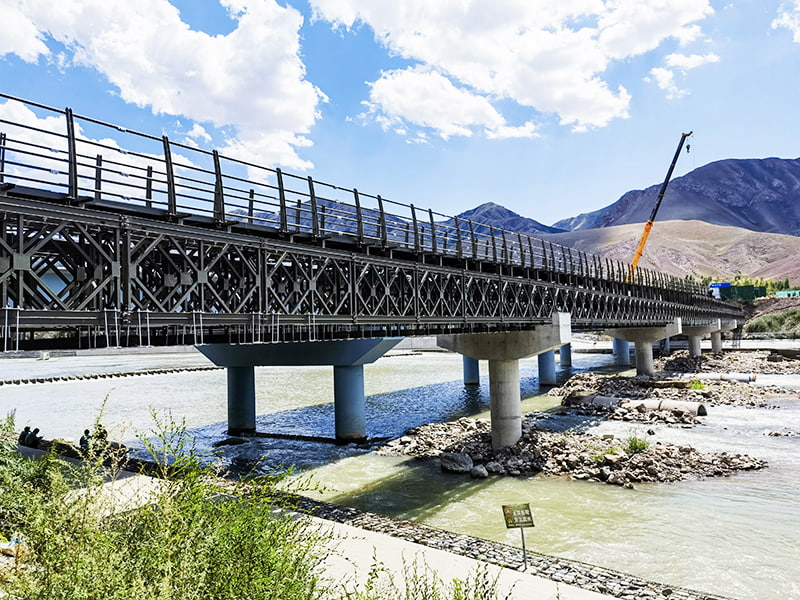
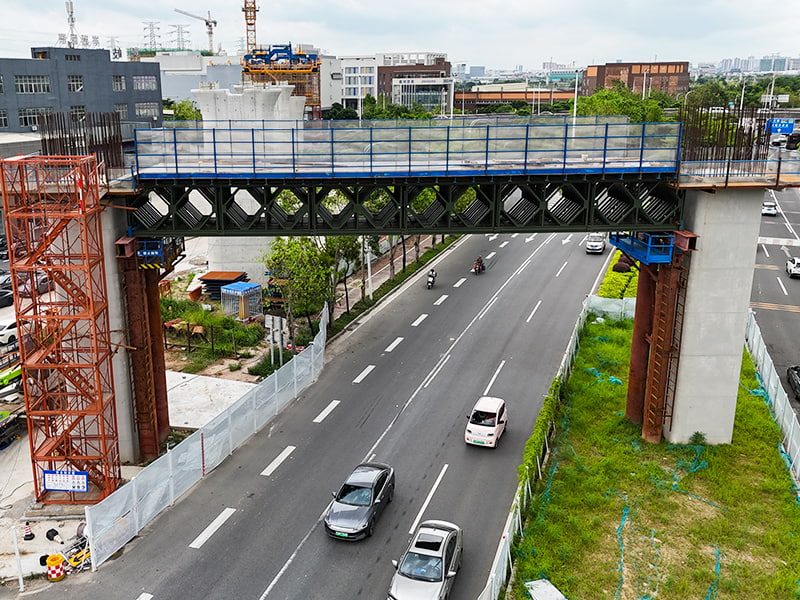
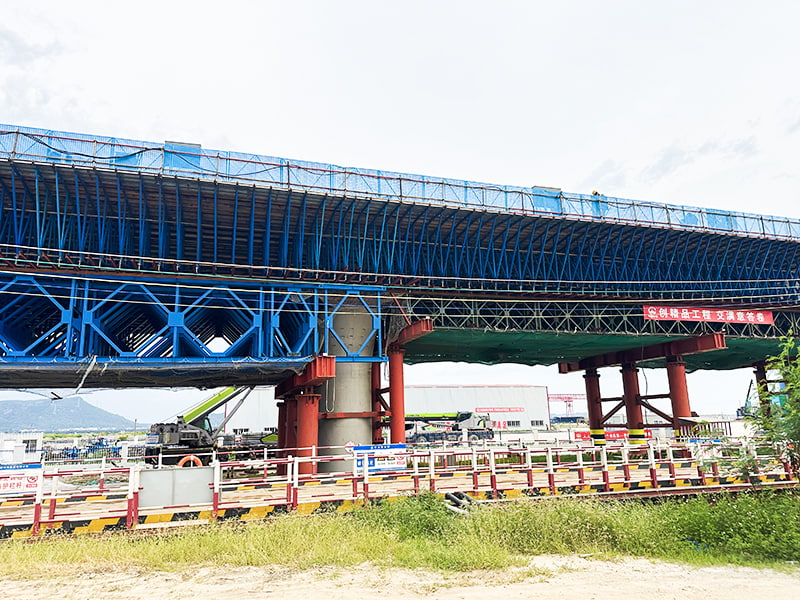
A Steel Truss Bridge is not one product but a family of load-bearing systems built around triangulated framework logic — the arrangement that lets a slender steel girder truss carry heavy, moving loads while using far less material than a solid beam would need. Within this family sit several distinct approaches: the strong truss bridge built for sustained highway and rail loading, the modular truss style bridge assembled from repeatable panels, the bolted steel truss bridge system designed for rapid on-site erection without field welding, and the bailey truss bridge lineage that made panelized crossings possible for defense and emergency use. Longer crossings call for a continuous truss bridge or a long truss bridge configuration, where the truss runs unbroken across multiple supports. Choosing between these approaches is really a question of span, load, deployment speed, and site access — and understanding how each variant behaves is what separates a bridge that performs for decades from one that simply looks the part on paper.
Every steel girder truss carries load through its top and bottom chords, with diagonal and vertical members transferring force between them. Adding rows of panels or stacking a second story changes how much weight the structure can safely carry, and this relationship is well documented in modular panel-bridge systems. A single-story, double-truss arrangement over a short span in the 12-metre range is typically rated for everyday lorry traffic, while triple-truss and double-story combinations extend both the safe span and the load class, reaching into the 32 to 40 tonne range used for construction and heavier vehicle traffic once spans stretch toward 30 to 36 metres.
The takeaway for anyone specifying a crossing is that load class and span are not independent variables — pushing span length without reconsidering the truss configuration is the most common design mistake on modular projects. This is one of the core calculations our engineers at Jiangsu Zhonghai Bridge Equipment Co., Ltd walk through with clients before a single panel is fabricated, matching truss density to the actual axle loads a route will see rather than defaulting to a standard layout. A girder truss bridge configured this way avoids both the cost of over-building and the risk of under-rating a crossing that will later see heavier trucks.
The same panel-based logic explains why span length increases in fairly predictable steps as trusses are stacked or doubled. This step pattern is useful for planning because it means a site survey can point directly to a configuration family rather than a custom design exercise.
Every genuine bolted steel truss bridge system traces its design logic back to the panel-bridge concept developed in the 1940s: standardized steel panels, typically around three metres in bay length and just over two metres high, that pin and bolt together into a continuous truss without any field welding. That single design decision — bolted connections instead of welded joints — is what makes a bailey truss bridge practical for sites where a welding crew and power supply simply are not available. Panels, transoms, and bracing frames are shipped flat, carried by hand or light equipment, and pinned together on site, which is why this bridge type remains the standard choice for national defense engineering, emergency response after floods or earthquakes, and rural highway or water conservancy projects where access roads themselves may be damaged or unbuilt.
Jiangsu Zhonghai Bridge Equipment Co., Ltd fabricates these bolted truss systems to be interchangeable across production batches, so panels made months apart still pin together correctly on site — a detail that matters enormously when a bridge needs to be extended or repaired years after the original installation.
The trade-off is span: bolted panel systems top out well before the largest welded continuous structures, which is exactly why site engineers pick between the two based on deployment timeline rather than treating one as universally superior.
Where a crossing must clear open water or a wide valley without a mid-river pier, the answer shifts from bolted panel bridges toward a continuous truss bridge, where the truss frame runs unbroken across three or more supports as a single rigid structure. Continuous framing redistributes load across the whole span rather than concentrating it at one simple-supported section, which is what allows this design family to reach the record spans in truss engineering — the longest example in service today carries a main span of roughly 400 metres unsupported between piers. Most industrial and infrastructure crossings do not need anywhere near that scale, but the same continuous-span principle is what lets a long truss bridge stretch across a wide waterway in far fewer sections than a series of short simple spans would require.
Because a longer, continuous frame concentrates far more force through fewer bearing points, material selection and welding quality matter more, not less, as span grows. That is the segment where Jiangsu Zhonghai Bridge Equipment Co., Ltd's steel sourcing and welding process controls carry the most weight — a long truss bridge only performs as designed if every chord and diagonal in that continuous run meets the same material and fabrication standard from end to end.
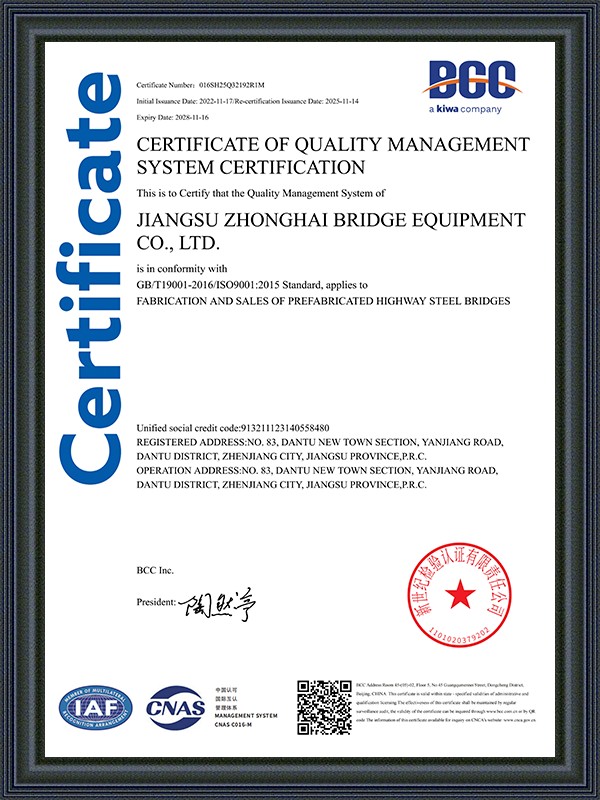
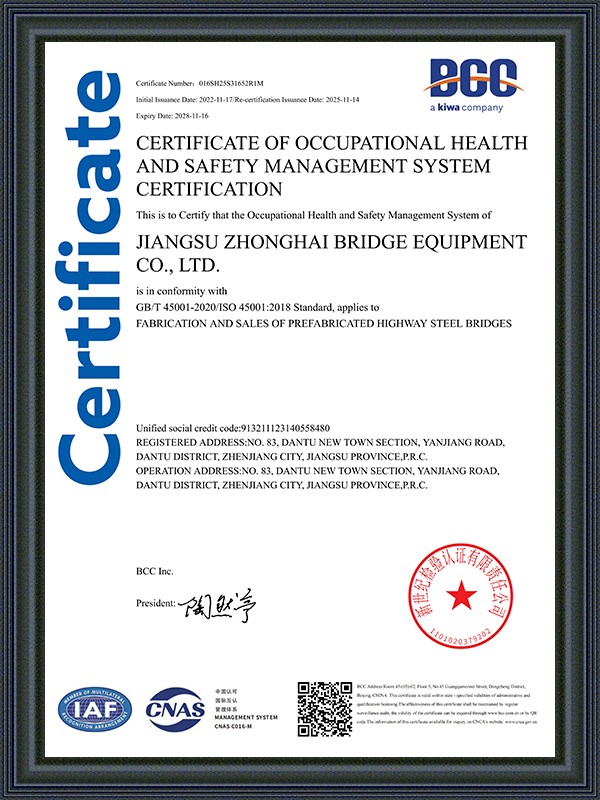
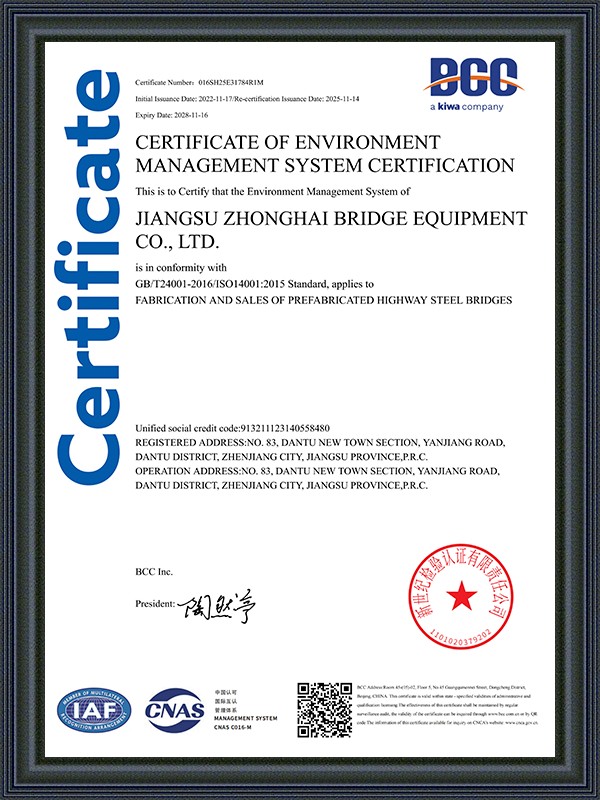
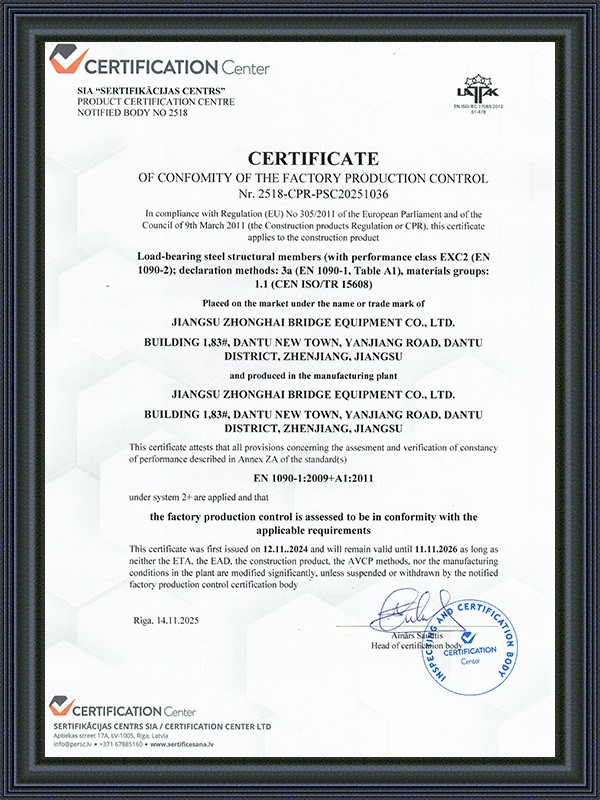
A truss style bridge is only as reliable as the shop floor it came from, and this is where the difference between suppliers actually shows up over a bridge's service life. At Jiangsu Zhonghai Bridge Equipment Co., Ltd, production runs on an annual capacity exceeding 60,000 tons of steel structure, supported by automatic welding robots that keep weld penetration and bead consistency uniform across every panel in a batch — a detail that matters far more on a continuous truss run than on a single short span. Every weld line then goes through a full set of NDT inspections before panels leave the shop, under a quality management framework aligned to ISO9001, with CE certification, SGS material testing, and ASTM and EN-referenced steel material compliance backing the export documentation package.
| Capability | Detail |
|---|---|
| Annual production capacity | Over 60,000 tons |
| Welding process | Automatic welding robots |
| Inspection process | Full-process NDT testing on welds and materials |
| Quality system | ISO9001-aligned management, CE certified |
| Material verification | SGS testing; ASTM and EN referenced compliance |
This is the same production base that supplies solutions into national defense, emergency response, highway, railway, and water conservancy projects — sectors where a truss style bridge cannot be taken out of service for unplanned repair, so the fabrication discipline has to be right the first time, from design through delivery.
Deployment timeline and site access are usually the deciding factors. A bolted steel truss bridge system can be pinned together without welding equipment on site, so it suits emergency response, defense logistics, and rural crossings. Long-span, permanent infrastructure crossings generally call for a welded continuous truss instead, since it reaches spans that bolted panel systems cannot match.
Adding panel rows or a second story increases both achievable span and load class, but the two scale together rather than independently — a longer span built from an under-rated configuration will fail to carry the load a shorter version of the same panel count could handle safely.
A continuous truss redistributes force across its full length through a smaller number of connection points, so any inconsistency in weld penetration or material grade has a larger effect on the whole structure than it would on a short, simply supported span.
Yes, provided the panels come from a manufacturer that holds tight dimensional and material consistency across production batches, since new panels need to pin and bolt into the existing structure without modification.
It can be, within its rated span and load class. Many highway and rural infrastructure projects use modular truss bridges as permanent structures; the distinction from temporary use comes down to load rating, corrosion protection, and long-term inspection planning rather than the bolted assembly method itself.

Product Category
Bailey Bridge/Modular Bridge Modular Steel Bridge Pedestrian Bridge Modular Pipe Bridge Truss Bridge Steel StructureContact Us


Copyright © Jiangsu Zhonghai Bridge Equipment Co., Ltd. All
Rights
Reserved
China best bridge truss manufacturer
custom bolted steel truss bridge system factory
