
 English
  русский
  Español
  Português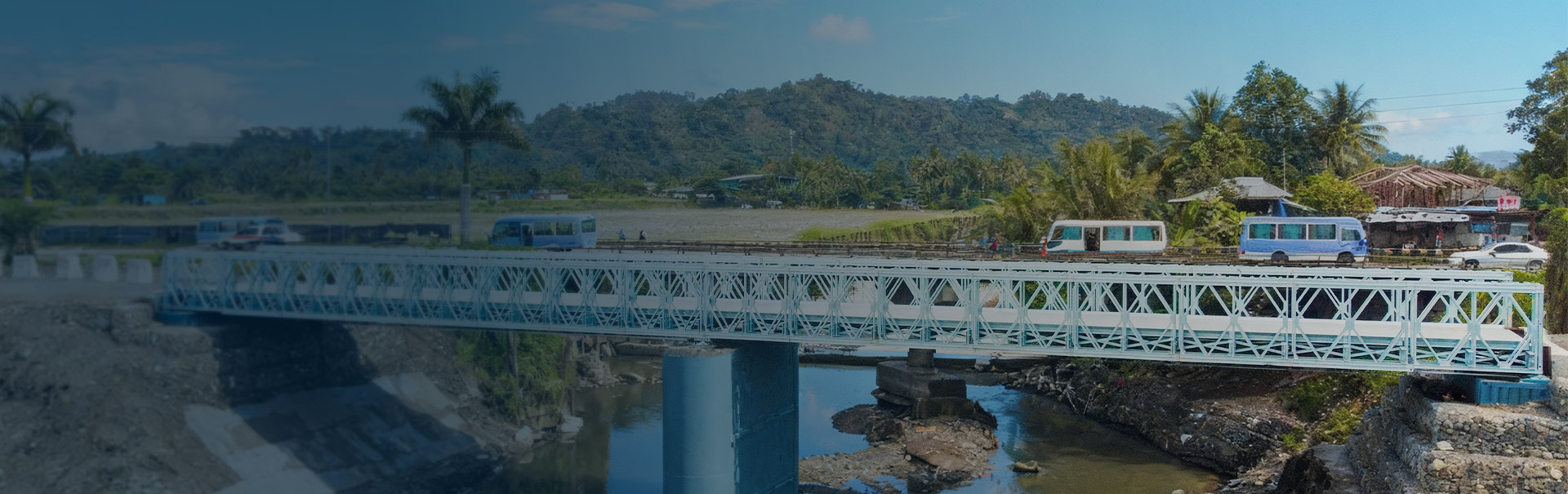
Call us
+86-511-84522866

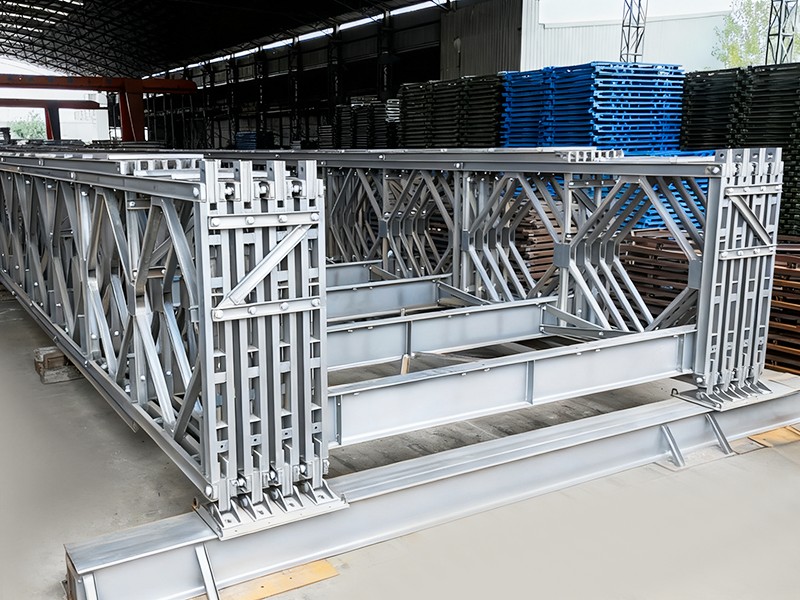

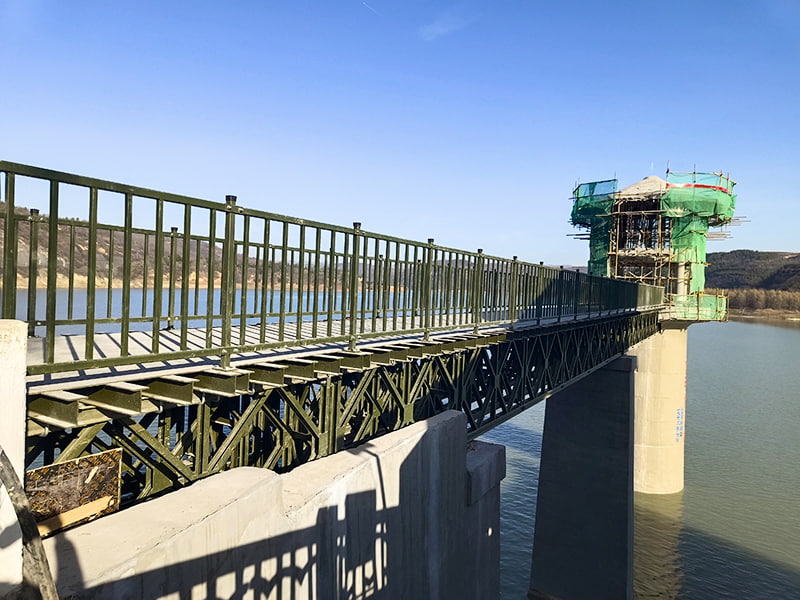
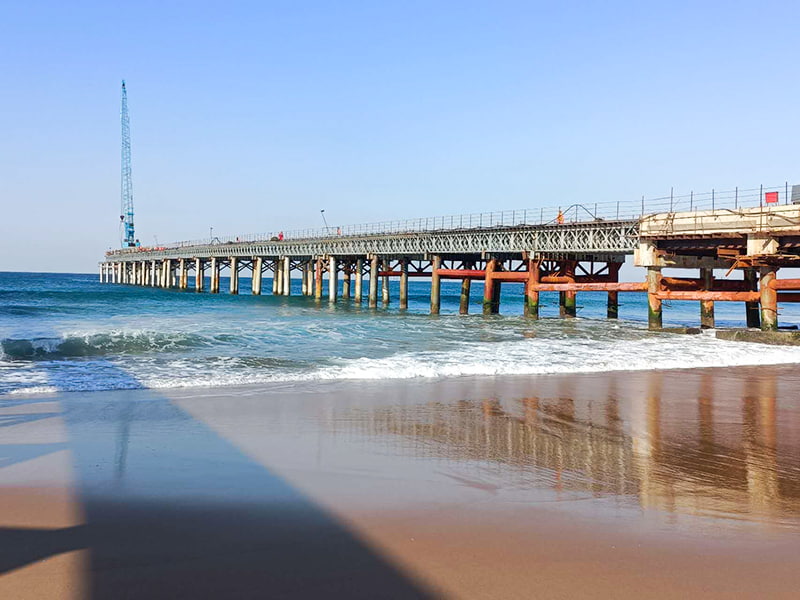
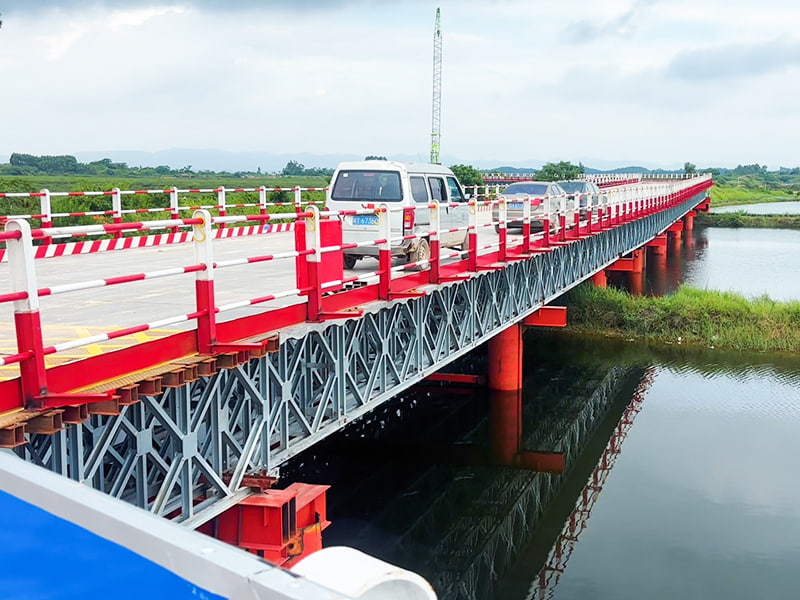
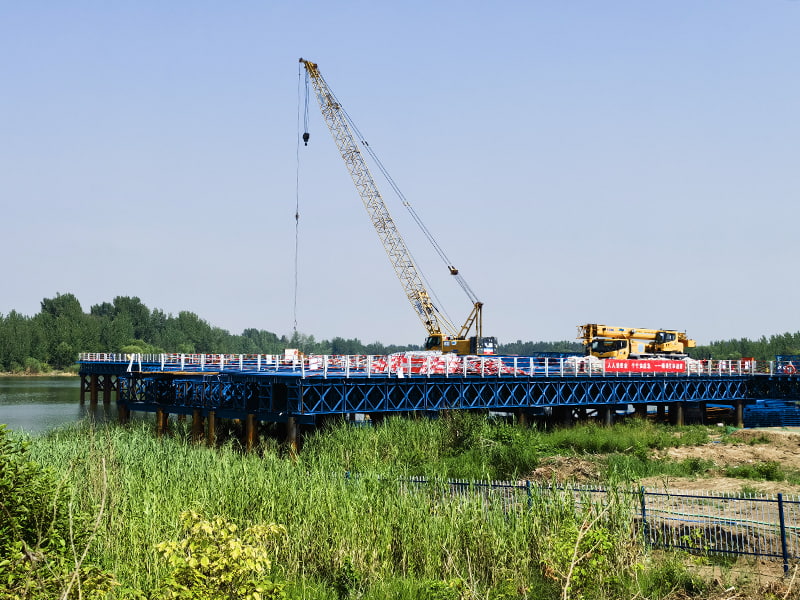
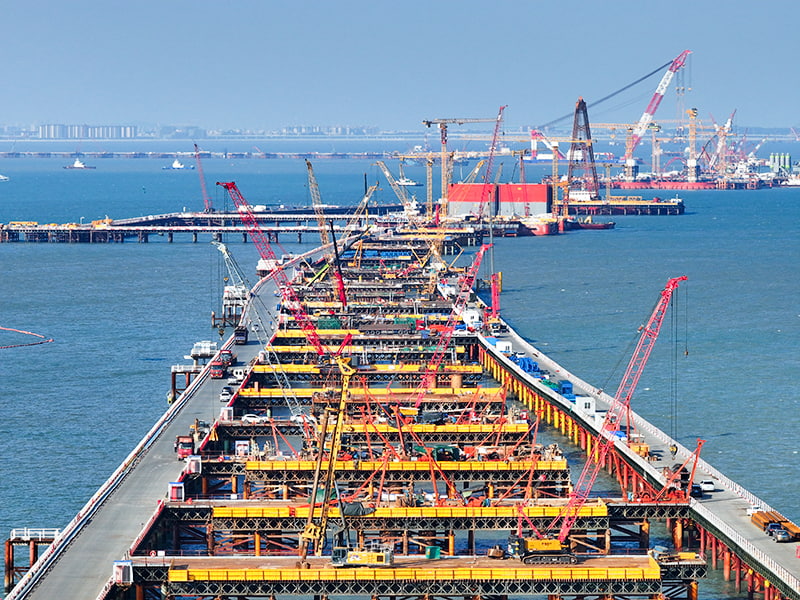
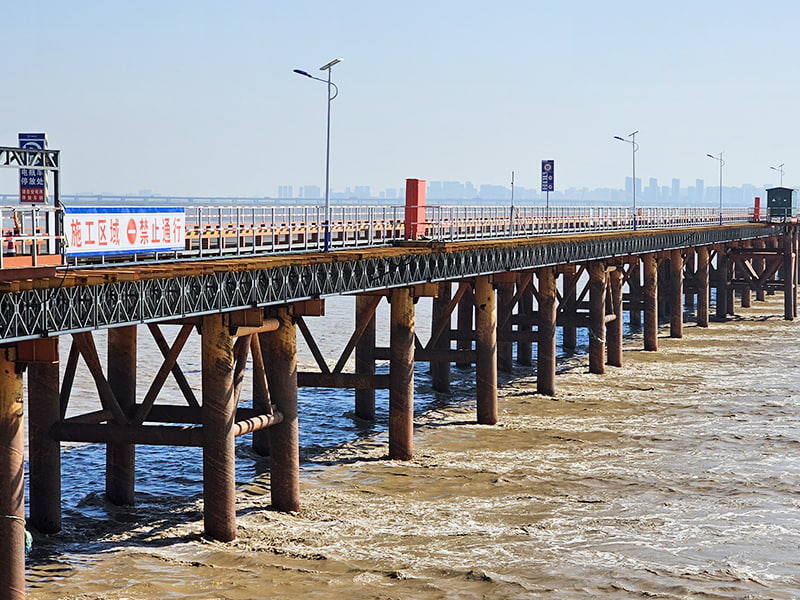
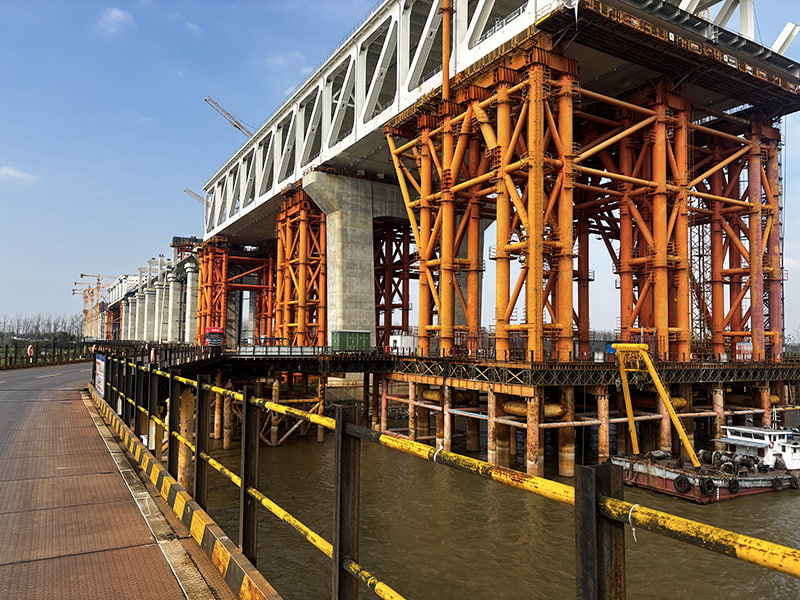
The Modular Steel Bridge, with its splitable and combinable modular design, has become an important passage facility in the engineering field for temporary, emergency, and specific scenarios. It is widely used in civil disaster relief, engineering construction, and access in remote areas, offering both flexibility and practicality.
Using laser cutting for material preparation and fully automated welding robot production lines, it achieves efficient mass production while precisely controlling processing accuracy. Customizable to fit various application scenarios.
The company provides a full range of services, including solution design, on-site installation guidance, and after-sales maintenance, ensuring stable operation throughout the entire lifecycle of the bridge with one-stop support.
A TRUSTED MANUFACTURER OF MODULAR STEEL BRIDGES




 ZHONGHAI BRIDGES
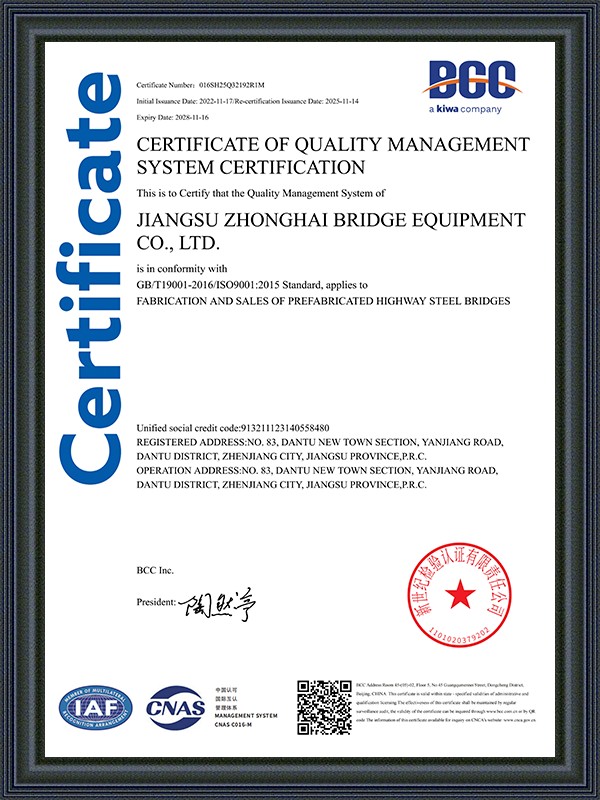
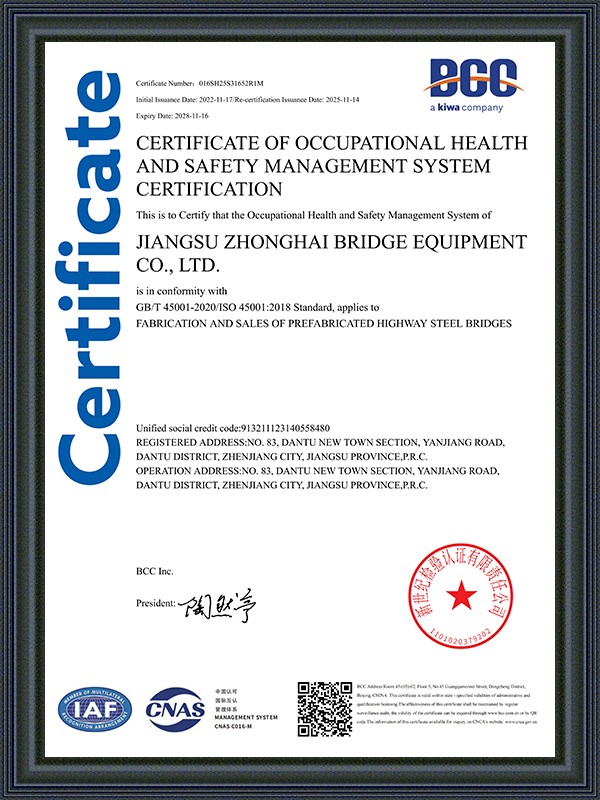
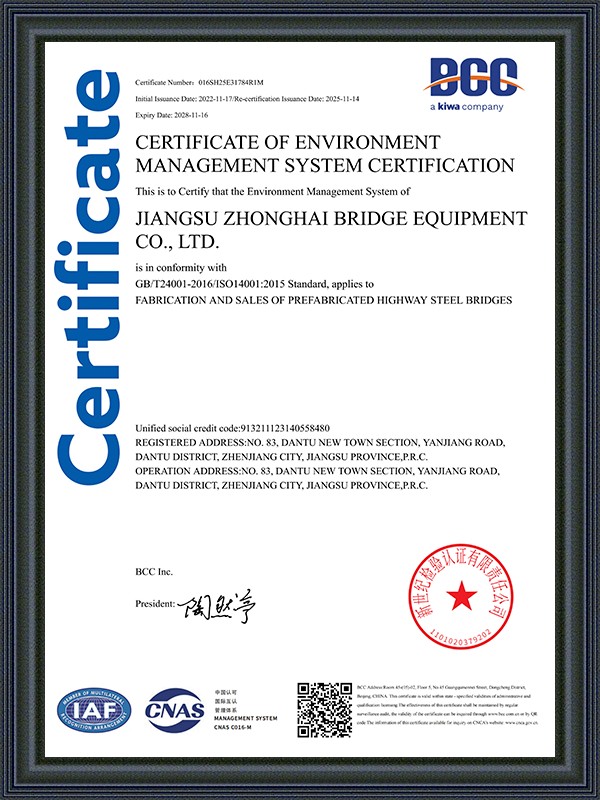
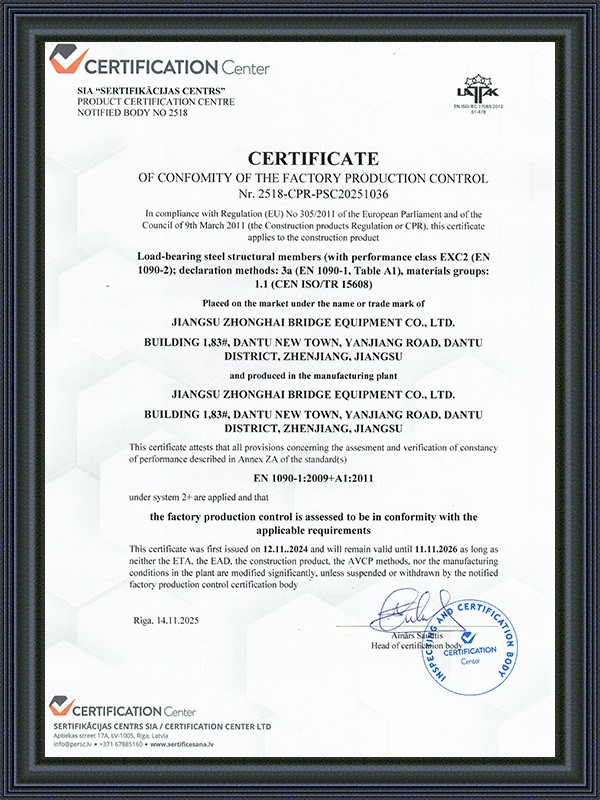
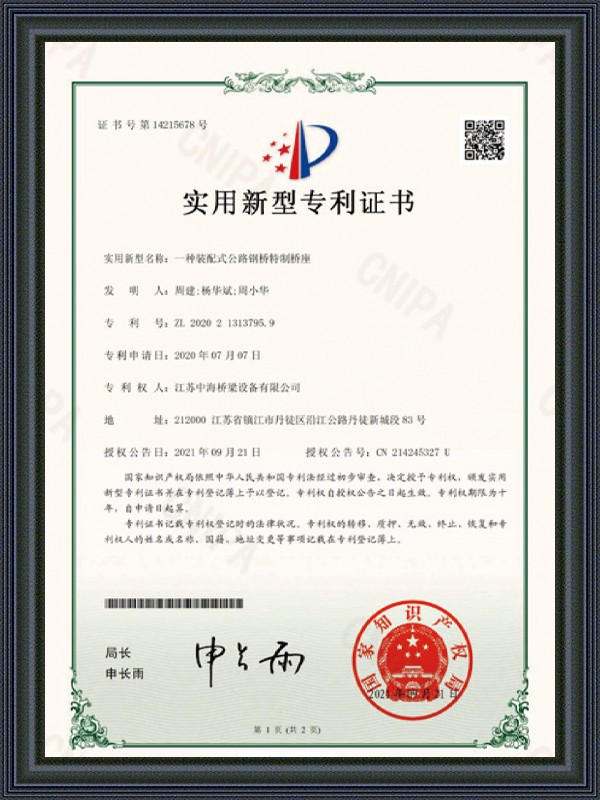
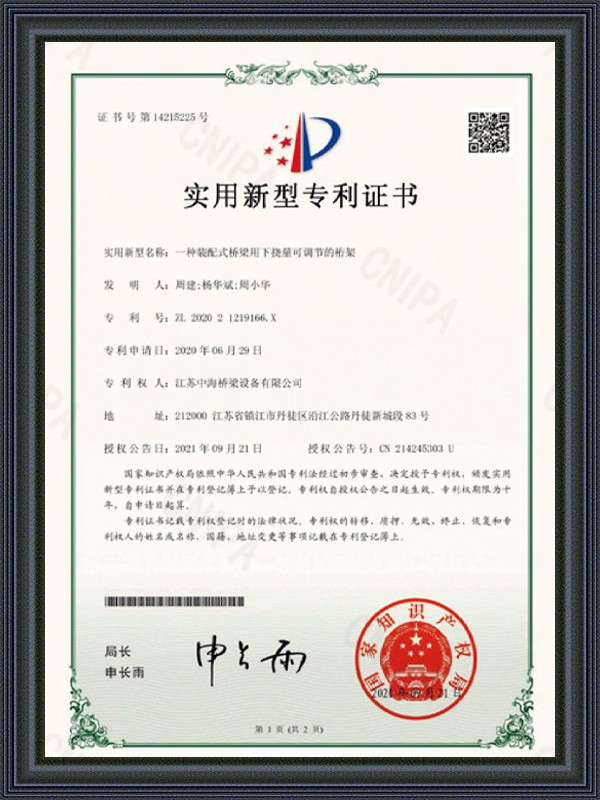
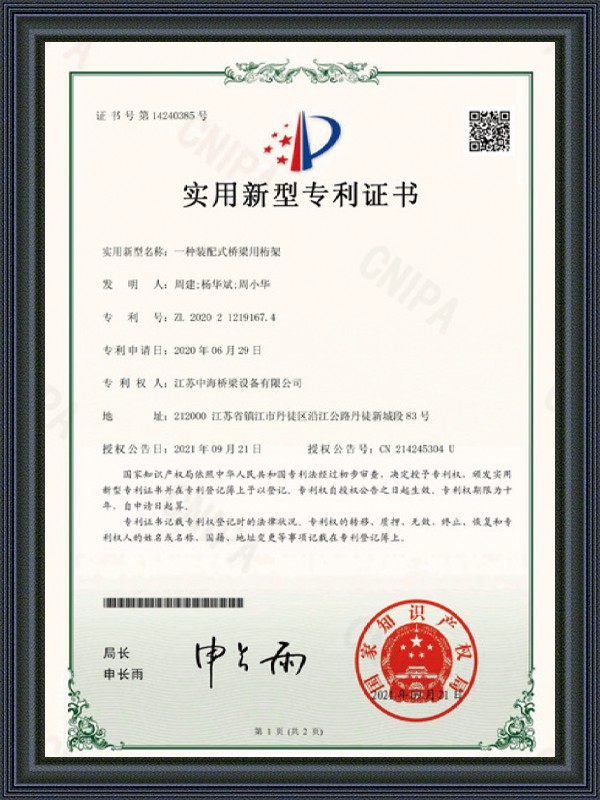
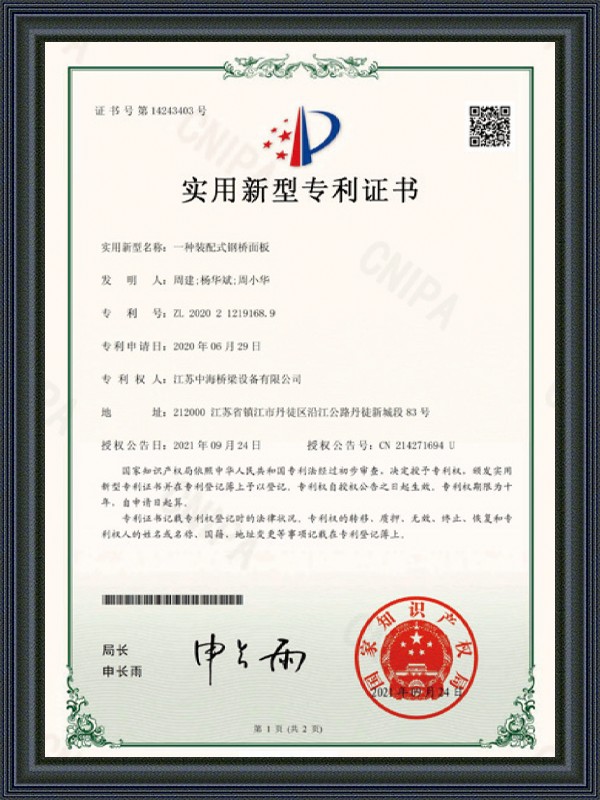
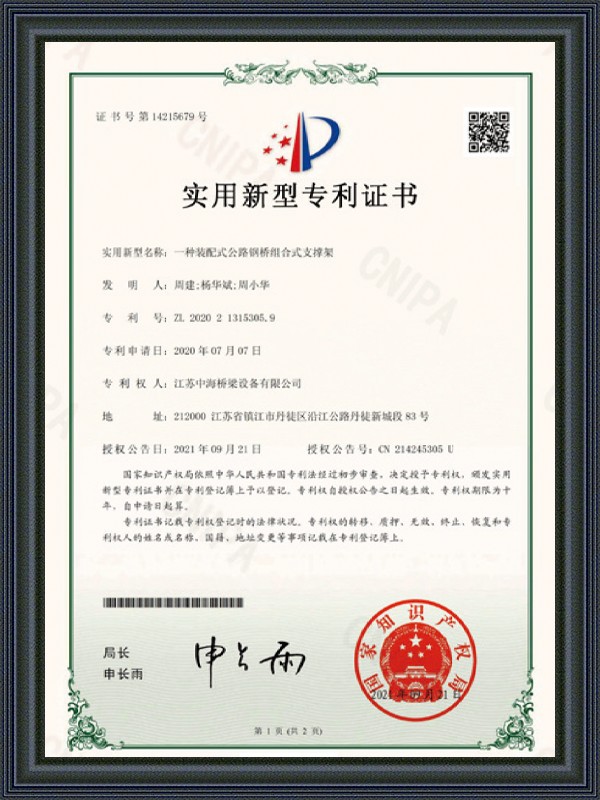
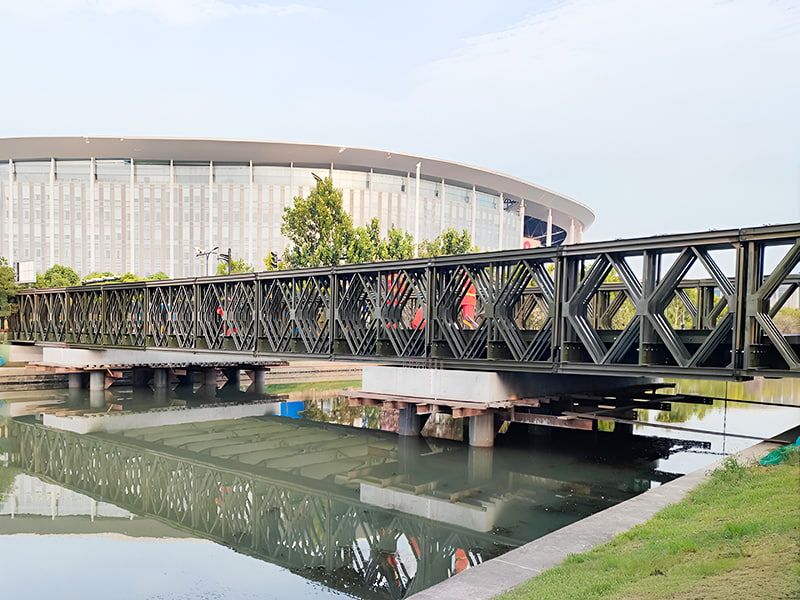
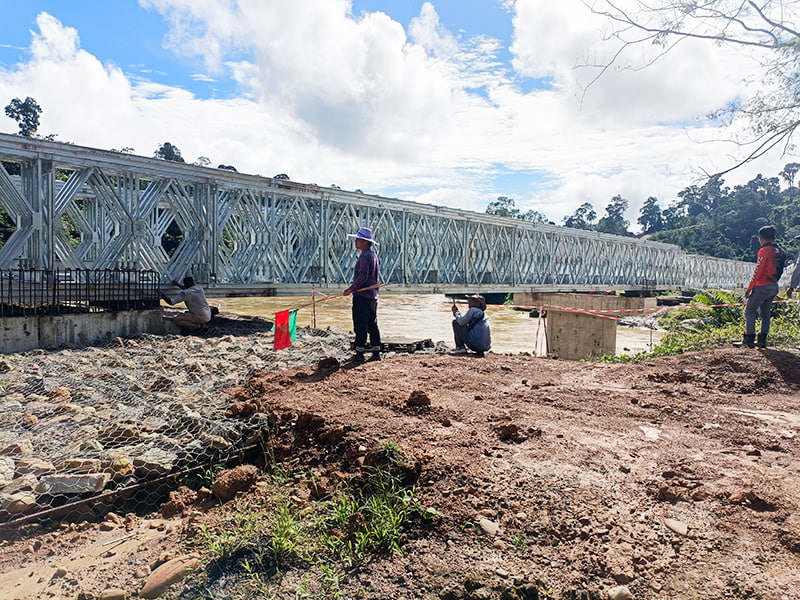
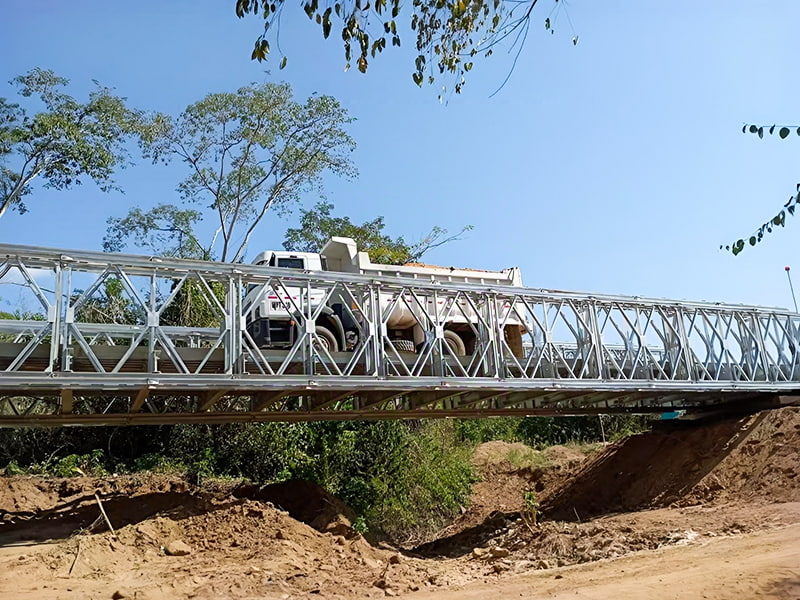
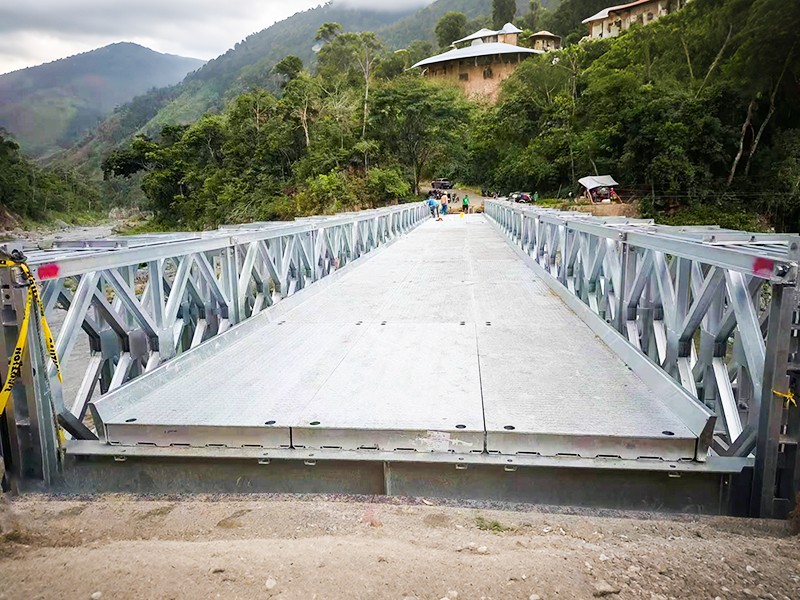
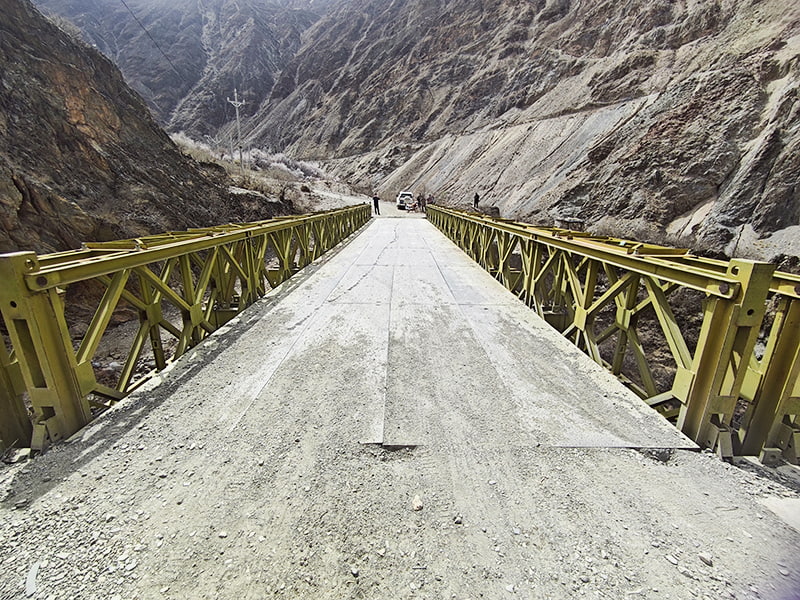
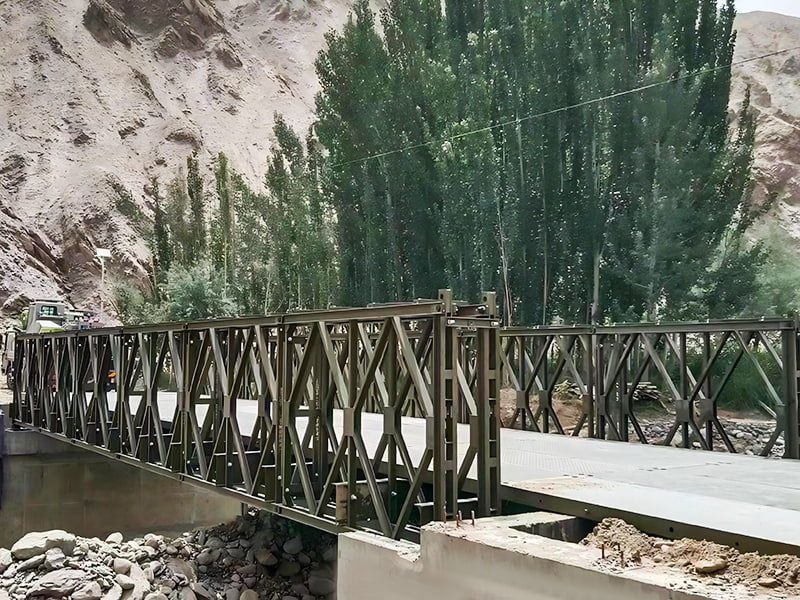
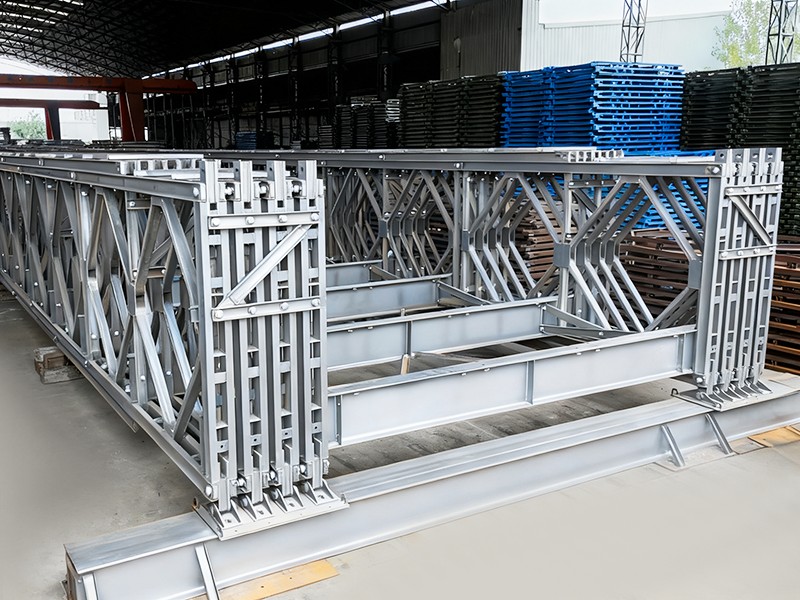
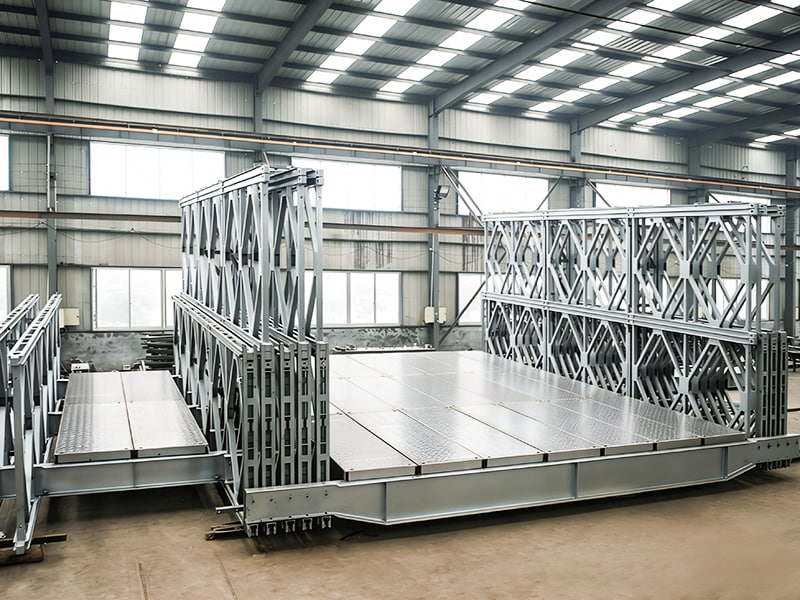
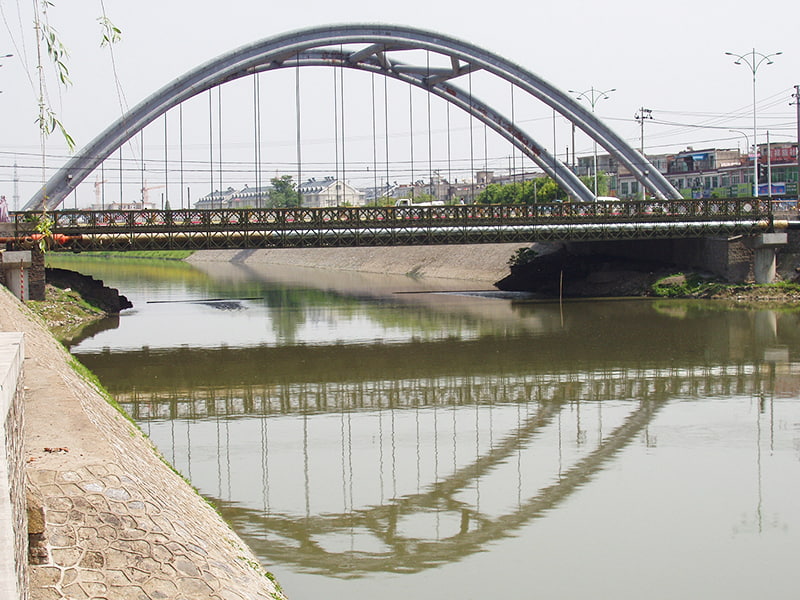
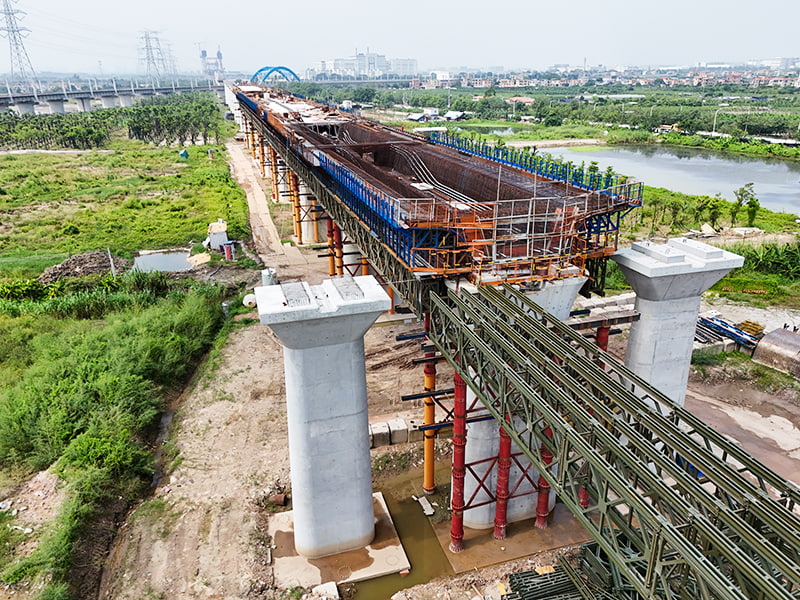
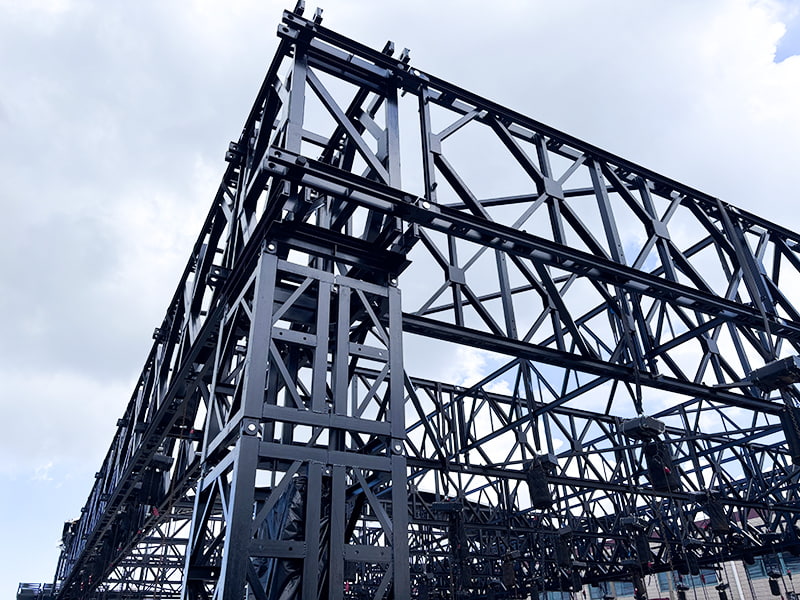
Across flood-swollen rivers, active highway resurfacing zones, and industrial yards where an existing crossing has failed overnight, the problem is always the same: traffic has to keep moving while a permanent fix gets designed. This is the gap a Modular Bridge is built to close. Assembled from interchangeable steel panels rather than poured concrete, modular steel bridges and the closely related steel bailey bridge layout can be pinned together on site by a small crew, with no crane standing by. The category covers a wide functional range - from a lighter Steel Bridge panel kit sized for pedestrian and farm traffic, up to a high strength steel modular bridge system engineered for fully loaded trucks. What follows looks at how these systems are engineered, where each configuration gets specified, and what to check before choosing one.
Jiangsu Zhonghai Bridge Equipment Co., Ltd engineers modular bridging solutions where speed meets strength, and that engineering starts with the panel. Each truss panel is a welded steel lattice, pinned end to end and stacked in single, double, or triple configurations to change how much span and load the finished structure can carry. Widening the truss - moving from a single panel to a triple-double stack - is what separates a lightweight Prefabricated Steel Bridge rated for farm or rural traffic from a heavier structure built to carry loaded trucks across a river.
Documented engineering records from early panel-bridge programs are still a useful reference point for how far this logic can be pushed. The original panel truss, developed in 1940, supported spans up to roughly 60 meters without intermediate piers, and pontoon-supported versions were later recorded spanning well beyond 300 meters, including one wartime structure over Italy's Sangro River that reached around 343 meters. That same panel-and-pin principle still defines how span and load scale on today's systems.
A Temporary Steel Bridge installed for a single construction season and a bridge left in place for years at a rural crossing generally share the same truss logic - the difference sits mostly in deck material and corrosion protection, not the underlying panel design.
Two scenarios drive most inquiries about this bridge type. The first is a bailey bridge for road construction, used as a detour crossing while a permanent structure is being repaired or rebuilt, so traffic doesn't have to be rerouted for miles around the work zone. The second is a bailey bridge for river crossing, typically requested after flooding has taken out an existing span, or where no permanent crossing has existed at all.
From design to delivery, Jiangsu Zhonghai Bridge Equipment Co., Ltd ensures performance, safety, and efficiency at each stage, which matters most in exactly these two scenarios - the timeline for getting a crossing back in service is usually measured in days, not months.
| Scenario | Typical Span | Typical Load | Deployment Time |
|---|---|---|---|
| Road construction detour | 20-40 m | 30-50 tons | Hours to 1 day |
| River crossing / disaster response | 40-80 m | 50-100 tons | 1-3 days |
Not every deployment looks the same. A modular bridge for industrial projects often needs to carry cranes or loaded haul trucks across a yard, so the truss is typically doubled or tripled from the start. A modular bridge for rural roads usually favors a lighter, single-truss configuration that keeps cost and transport weight down, since most of the traffic is light vehicles and farm equipment. A modular bridge for highways sits in between - built to standard traffic loads but installed and removed quickly enough to avoid extended lane closures.
Strong production capability, strict quality control, and proven engineering experience sit behind each of these configurations, and Jiangsu Zhonghai Bridge Equipment Co., Ltd notes that its products have supported major engineering projects both in China and abroad. Choosing the right modular bridge solution - and matching it against a general-purpose Modular Bridge spec sheet - usually comes down to the heaviest load the crossing will actually see, not just the widest gap it needs to span.
For a single-lane crossing, a trained crew can typically complete assembly and launching within a day. Documented panel-bridge programs recorded standard single-lane structures erected in a matter of hours under favorable site conditions; longer, multi-span structures needing pontoon or pier support generally take one to three days.
Capacity is set by how many panels are stacked in the truss. Documented configurations range from roughly 30 tons for a lightweight single-truss build up to 100 tons or more where trusses are doubled or tripled and reinforced.
Yes. Because the panels are pinned rather than welded into a permanent structure, they can be unpinned, transported, and reassembled at a different site. This is part of why the system gets specified for rotating detour work rather than a single fixed installation.
Generally no. One of the defining features of this bridge type is that panels are light enough to be maneuvered and pinned by hand, with the assembled structure launched across the gap on rollers rather than lifted into place by heavy equipment.

Product Category
Bailey Bridge/Modular Bridge Modular Steel Bridge Pedestrian Bridge Modular Pipe Bridge Truss Bridge Steel StructureContact Us


Copyright © Jiangsu Zhonghai Bridge Equipment Co., Ltd. All
Rights
Reserved
OEM Modular Steel Bridge Supplier
steel bridge export manufacturer
