
 English
  русский
  Español
  Português
 Call us
+86-511-84522866

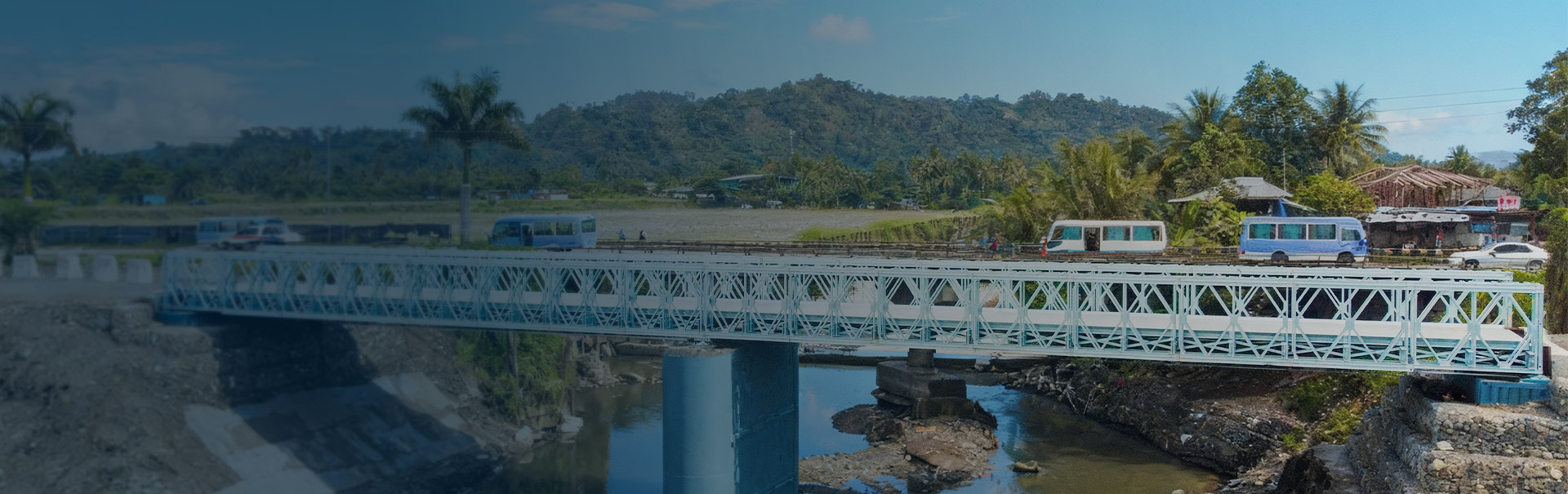
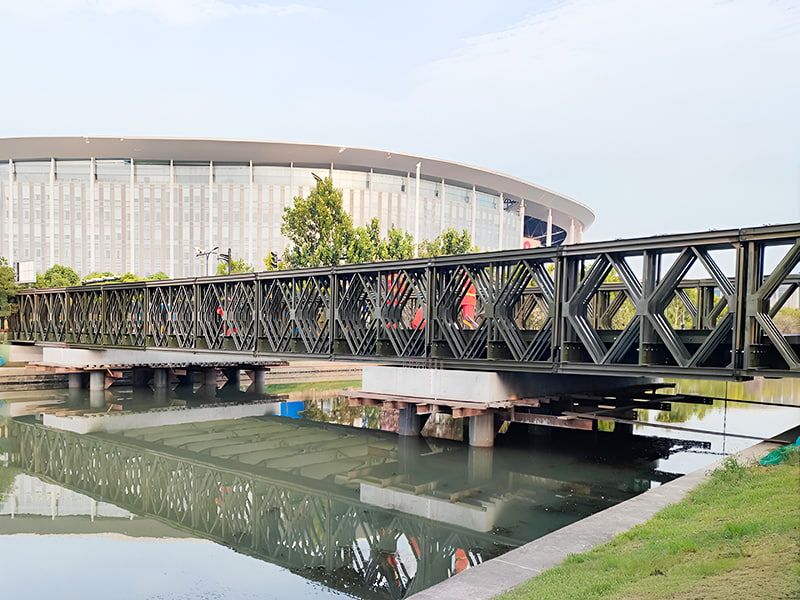

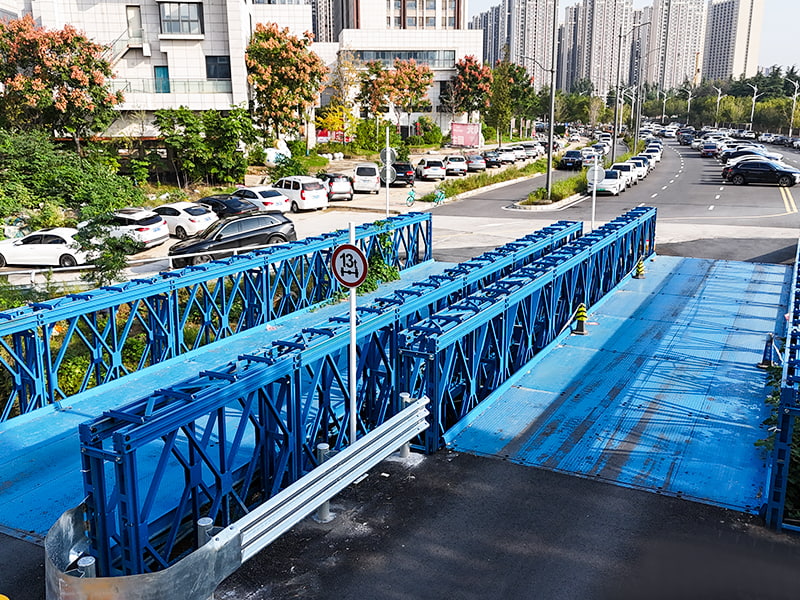
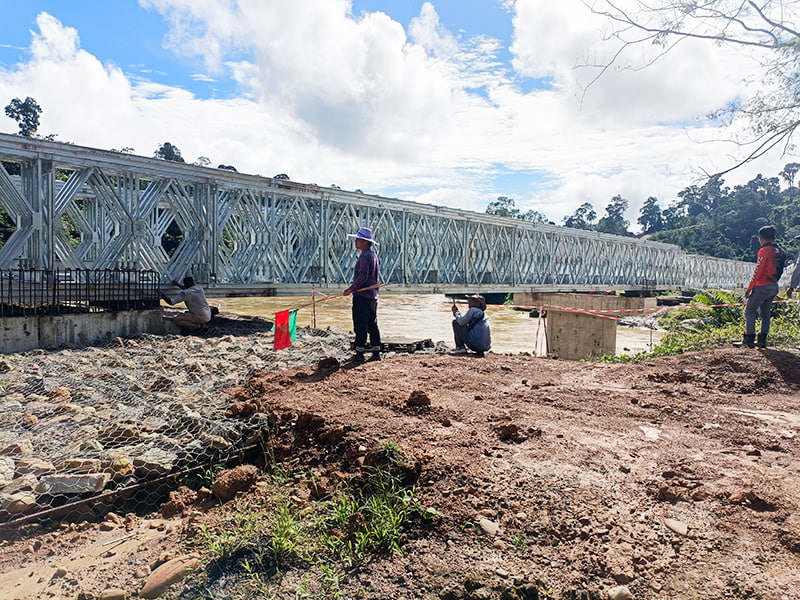
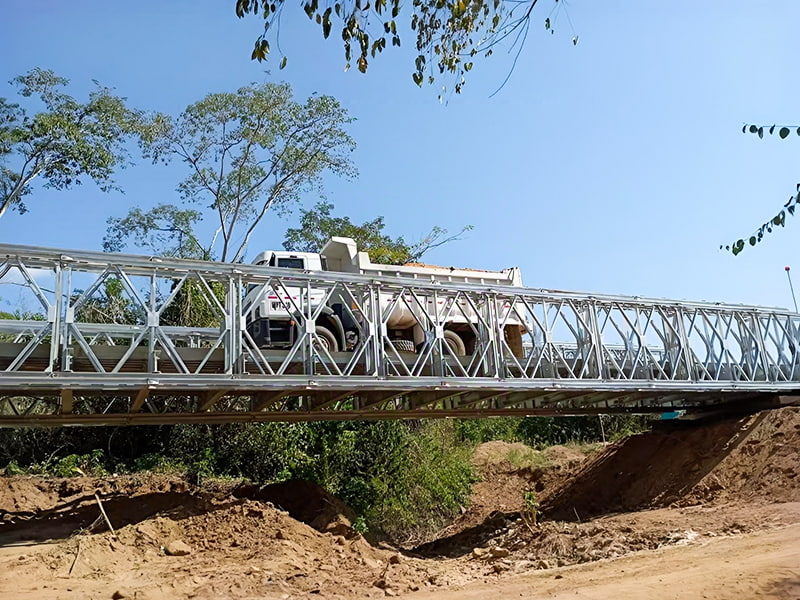
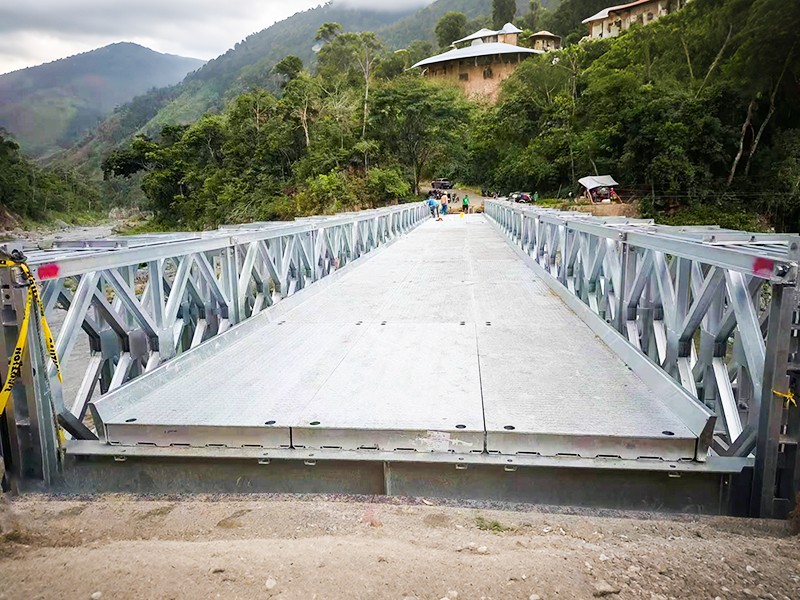
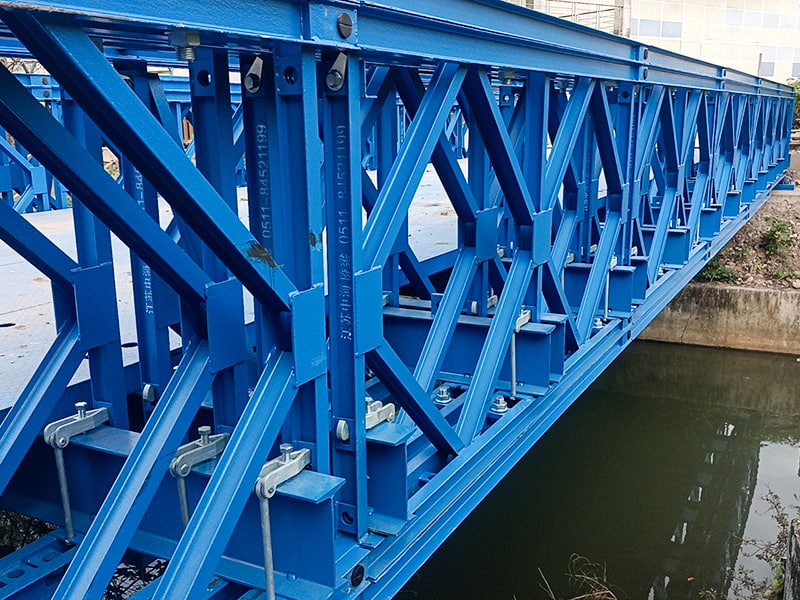
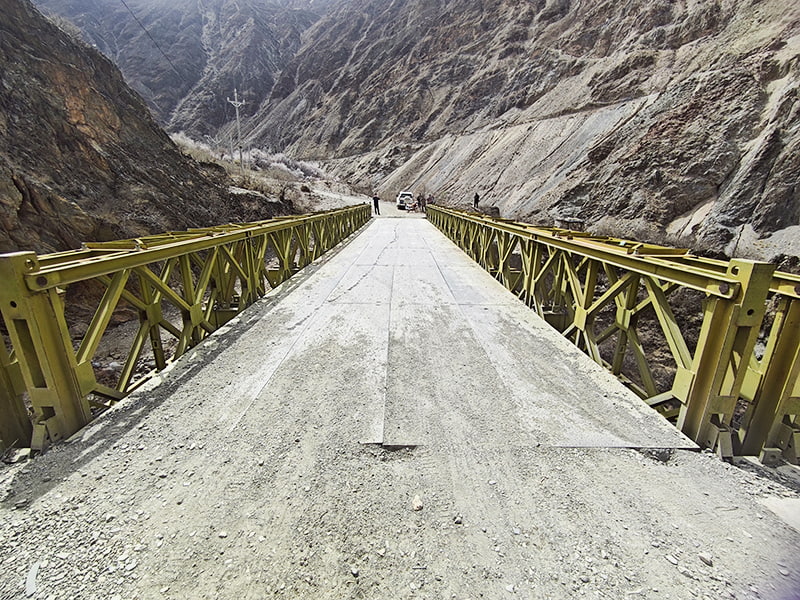
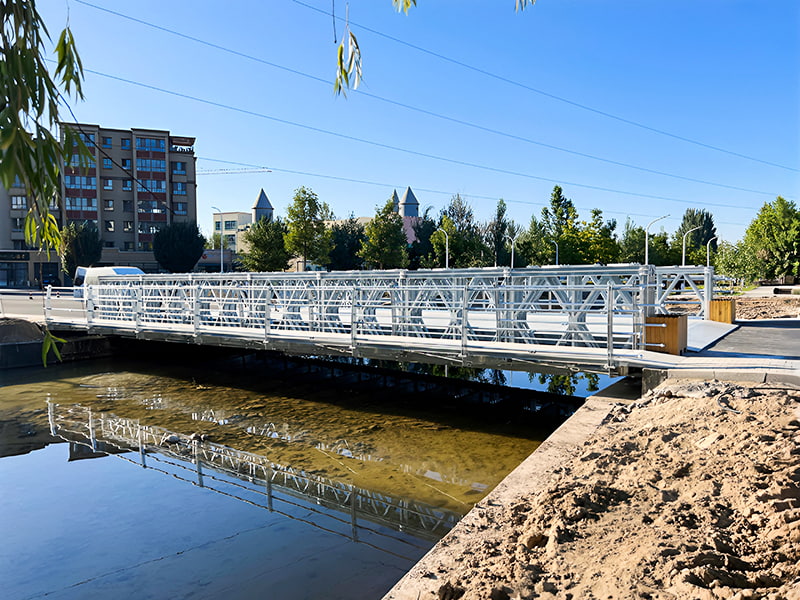
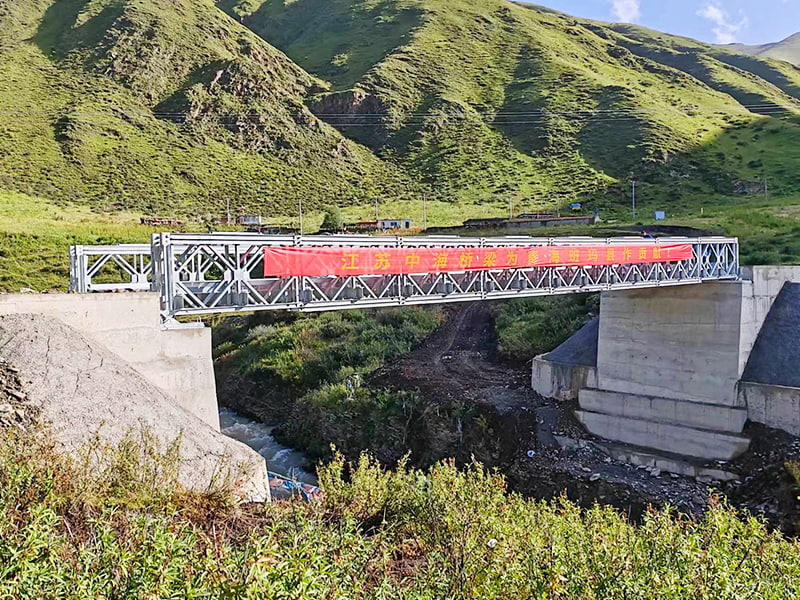
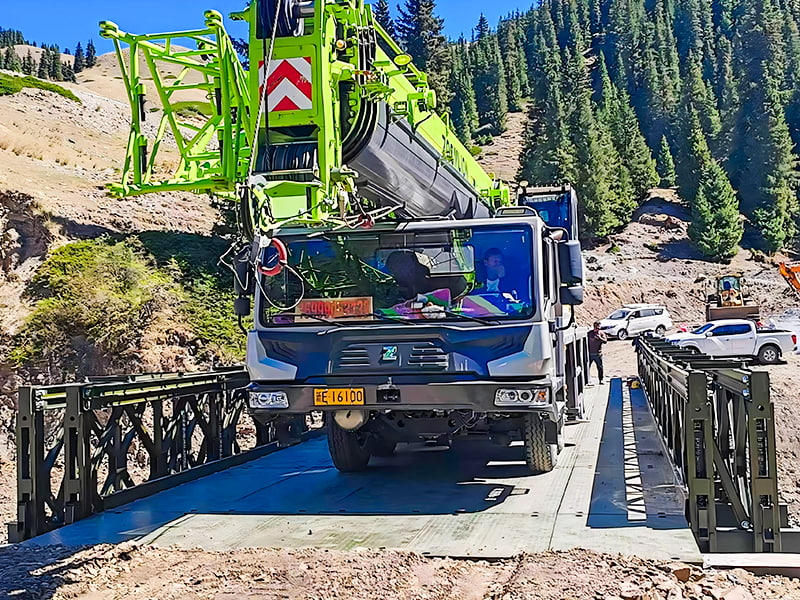
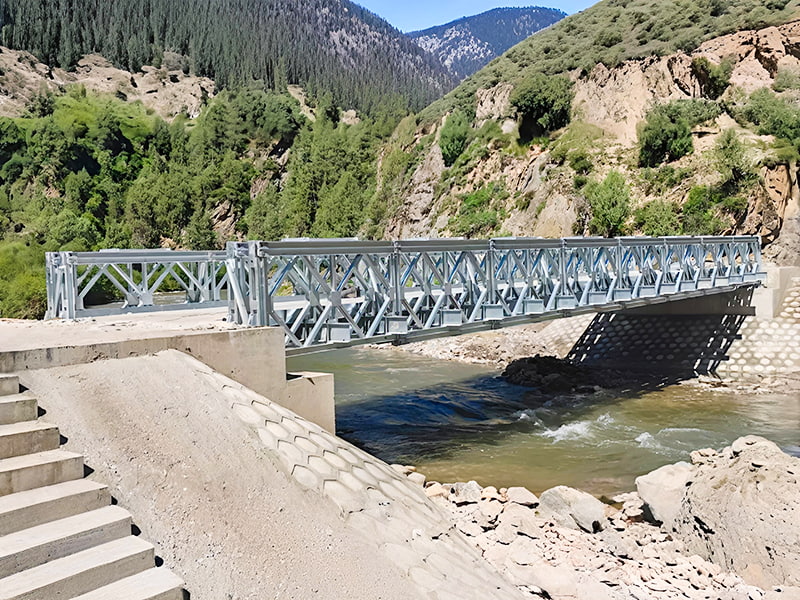
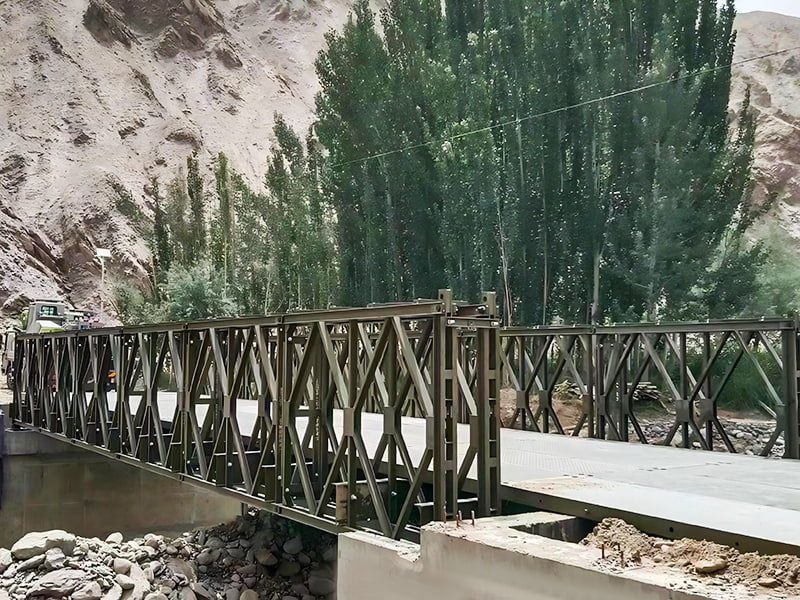
The CB 100(321) Bailey Bridge has become the preferred solution in fields such as temporary construction, emergency traffic restoration, and rural road network improvement, thanks to its excellent cost-performance ratio and efficient adaptability. This bridge product inherits the classic modular design concept, with a structure that has been carefully optimized, featuring lightweight components and good interchangeability, allowing for quick assembly to meet various construction needs. It can be easily assembled by hand, significantly reducing the reliance on heavy machinery, thus lowering construction costs and project timelines. With outstanding stability and durability in light to medium load scenarios, its optimized structure effectively meets the common environmental and load requirements. Particularly in temporary construction and emergency traffic restoration situations, it can be quickly erected and put into use, providing significant support for traffic recovery and infrastructure development. Additionally, the bridge features a repeatable disassembly and reuse characteristic, making it adaptable to different locations and periodic needs, offering excellent economic benefits.
A TRUSTED MANUFACTURER OF MODULAR STEEL BRIDGES



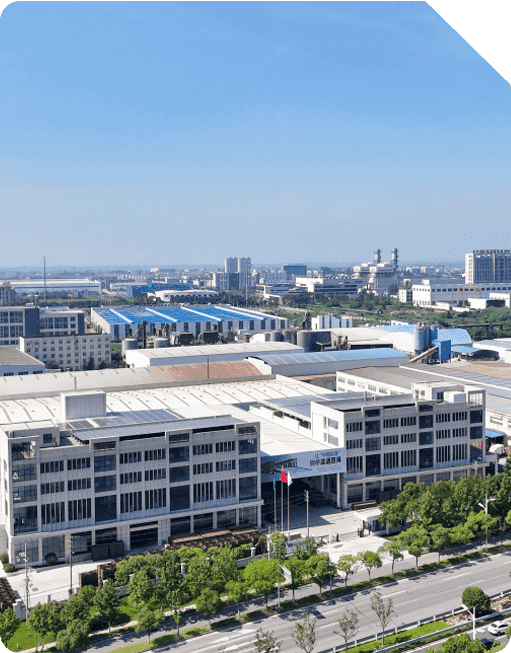
 ZHONGHAI BRIDGES

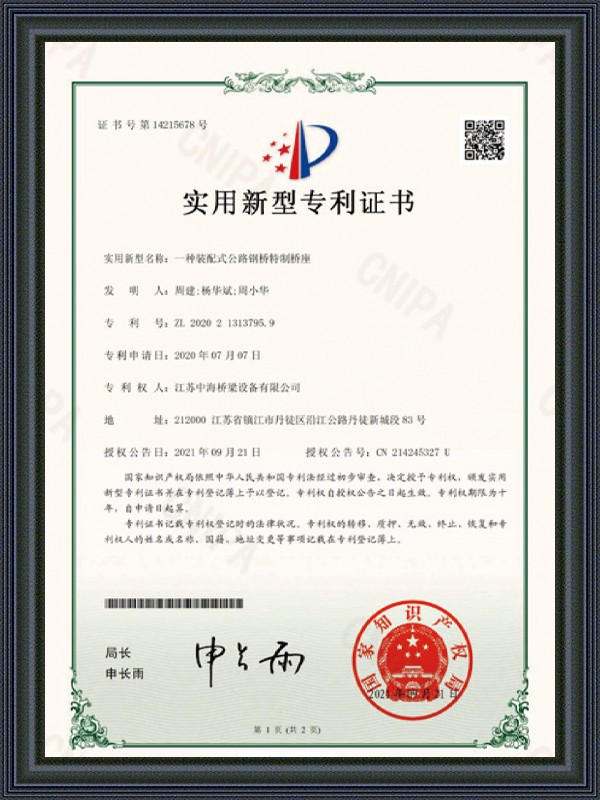
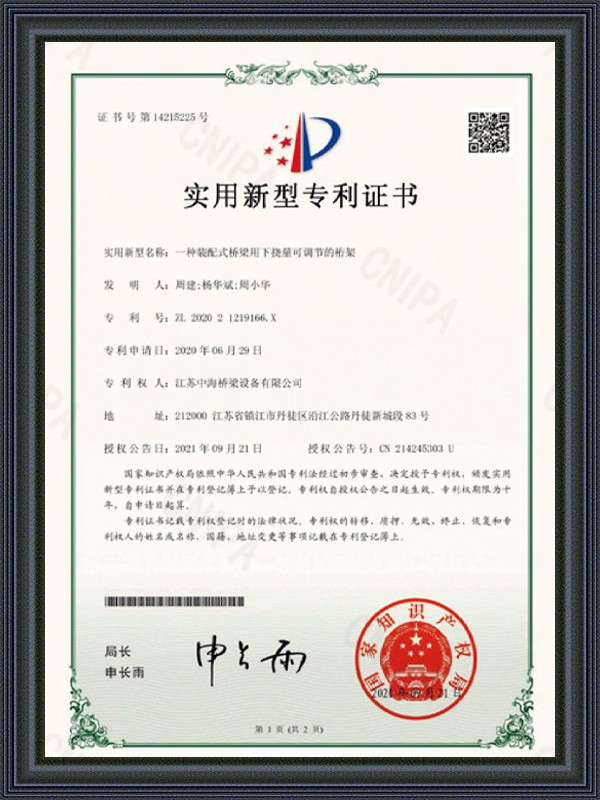
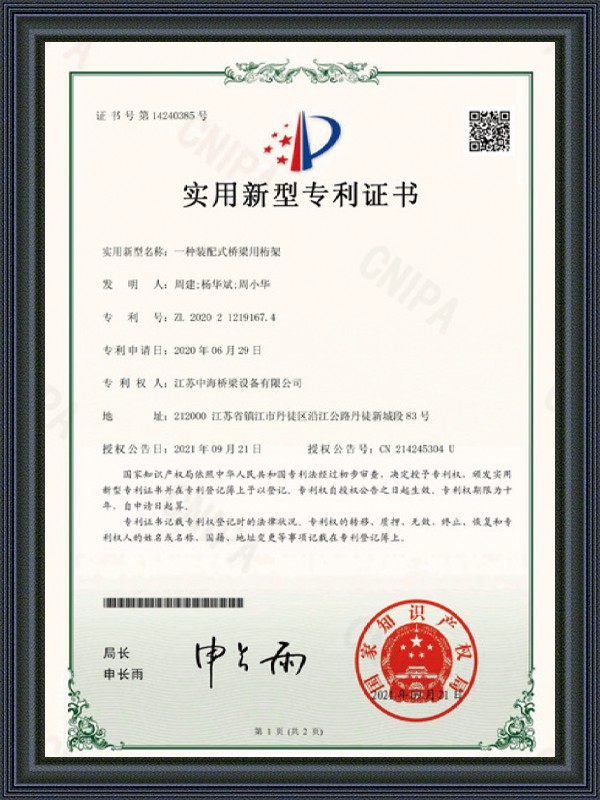
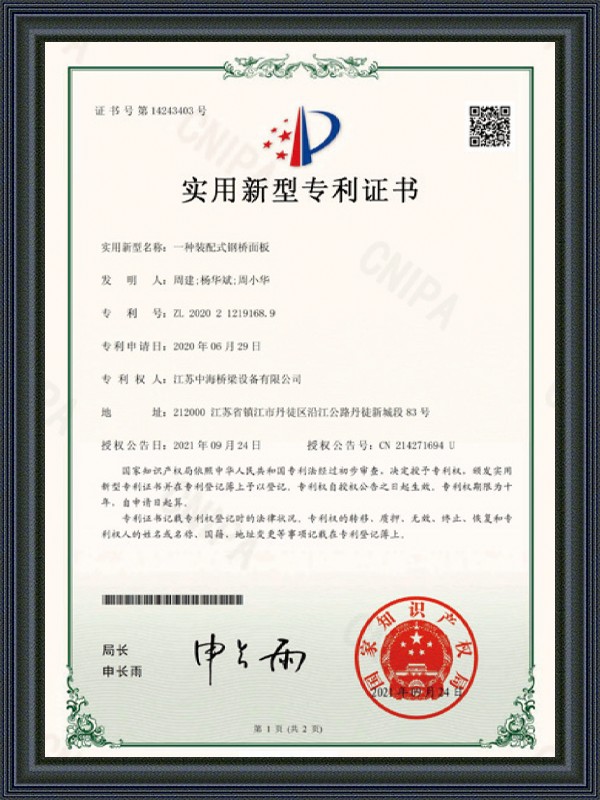
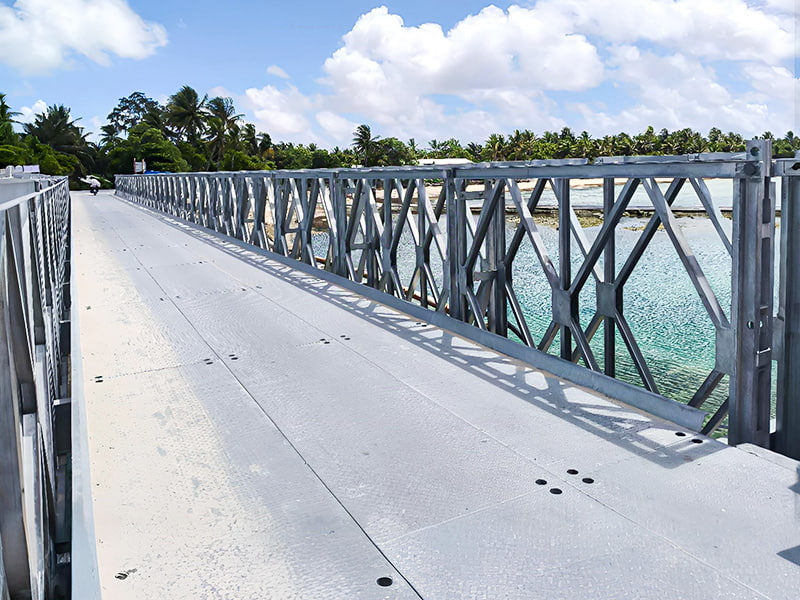
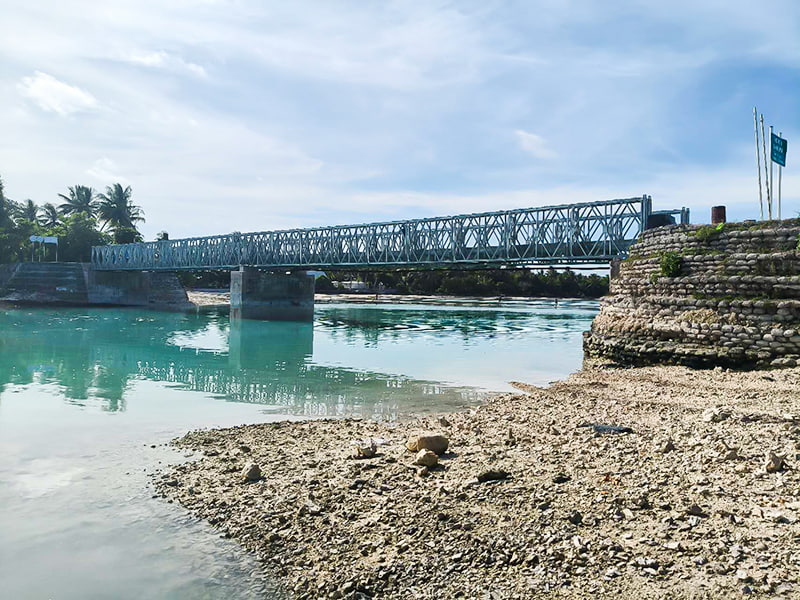
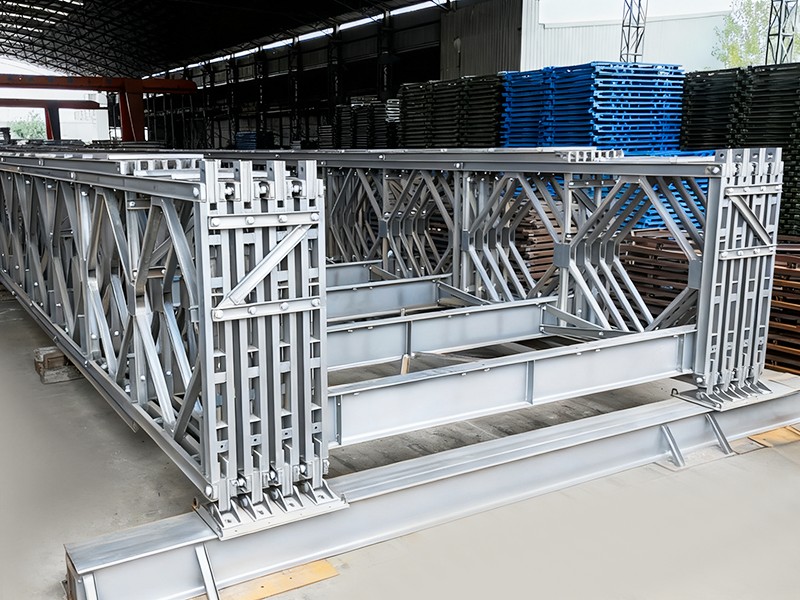
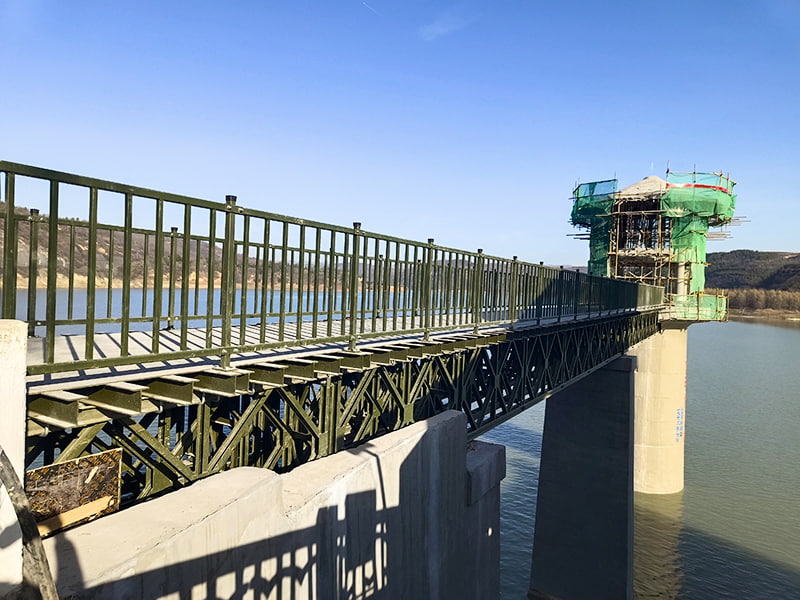
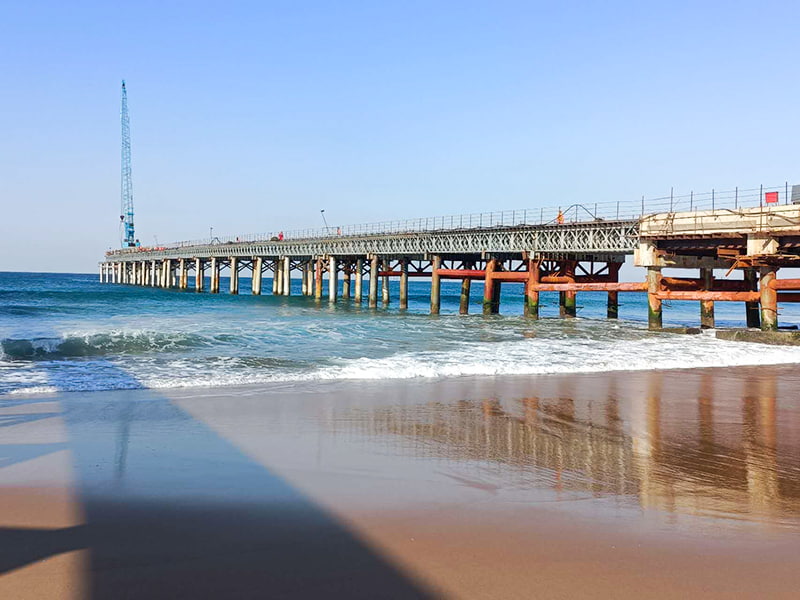
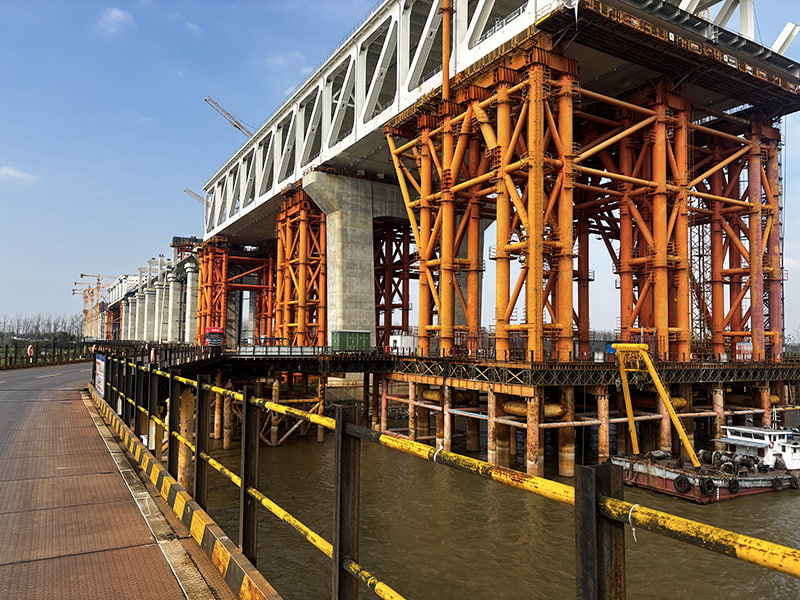
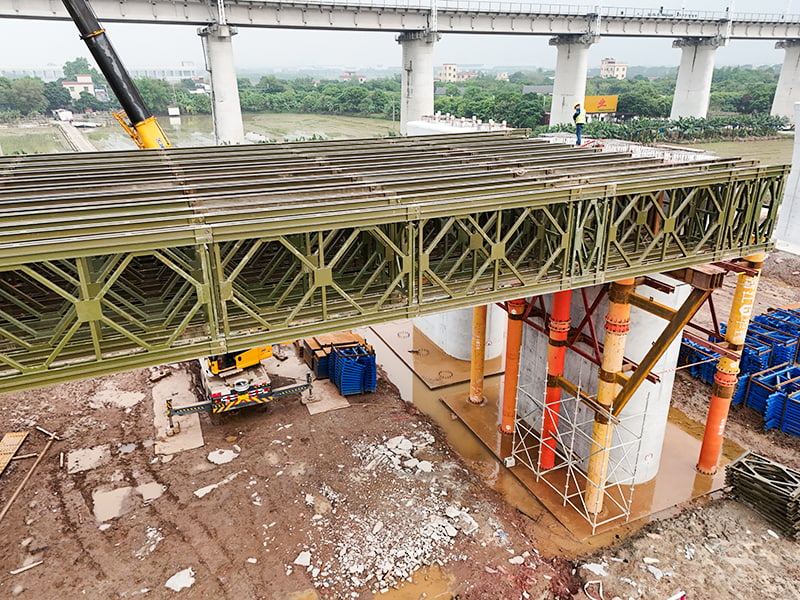
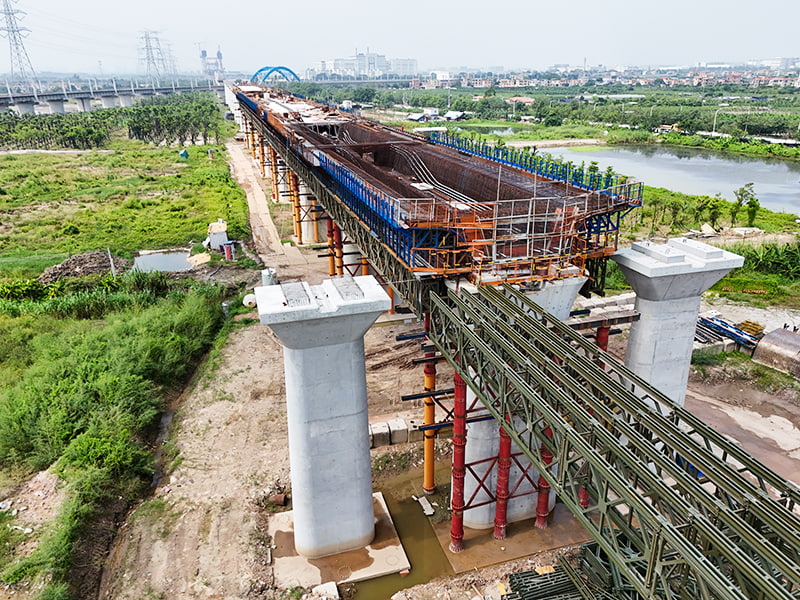
Modular steel bridges built around the CB 100(321) Bailey Bridge panel family occupy a specific niche in crossing infrastructure: situations where a poured structure isn't practical on the timeline a project has. Descended from the British Compact-100 / Type 321 truss design, this class of bridge is built from interchangeable steel panels that bolt and pin together on site, without deep foundation work, and can be arranged into single, double, or triple-truss configurations depending on the span and load a route actually carries. What separates a well-run deployment from a problem one usually isn't the erection itself — it's what happens to the panels, pins, and deck plates once real traffic, water, and years of cyclic loading start working on the steel.
A 321-type panel measures roughly 3m by 1.4m (or 3.048m by 1.45m on the British hole-spacing variant), and each one weighs somewhere between 270kg and 349kg depending on the build — light enough that a small crew can place them without a heavy crane. The span a bridge can carry isn't fixed by the panel itself; it's set by how many panels are stacked and doubled. A single-single truss handles short, light-traffic crossings, while triple-triple arrangements push toward the upper end of what a 321-type structure can span. More trusses and more layers mean more pin and bolt connections, and every one of those connections is a point that will eventually need inspection.
For a manufacturer such as Jiangsu Zhonghai Bridge Equipment Co., Ltd, configuration choice is also the first maintenance decision a client makes without necessarily realizing it — a heavier triple-truss layout carries more connection hardware, and that hardware becomes the maintenance workload for the life of the crossing.
Modular steel bridges and Bailey bridge systems often operate in flood zones, mountain regions, coastal climates, or high-traffic construction routes, and each of those settings wears a different part of the structure first. Coastal and high-humidity sites push corrosion at pin and bolt connections well ahead of general steel fatigue. Mountain routes bring freeze-thaw cycling and debris impact against the lower chord. Flood-prone crossings see periodic submersion and floating debris loading that a dry-site bridge never experiences. High-traffic construction routes wear panel joints through sheer repetition, long before any single load event would be a concern on its own.
This is precisely the operating reality that shapes Jiangsu Zhonghai Bridge Equipment Co., Ltd's After-sales & Maintenance Support program: the goal isn't a generic service plan, it's matching inspection and part-replacement priorities to whatever environment the bridge is actually sitting in.
Jiangsu Zhonghai Bridge Equipment Co., Ltd's after-sales program is built to help clients maintain structural integrity, replace worn components, upgrade load capacity, and address unexpected operating conditions throughout the bridge's service life, with responsive technical assistance and a continuous supply of compatible parts behind it. In practice, that support covers the full lifecycle of a CB 100(321) Bailey Bridge rather than a single stage of it.
| Component | Typical wear driver | Maintenance action |
|---|---|---|
| Bailey panel | Fatigue, corrosion at joints | Panel-level replacement |
| Connecting pins | Hole elongation, friction wear | Pin replacement |
| Transoms | Repeated live-load flexing | Transom replacement |
| Deck plates | Surface abrasion, moisture | Deck plate replacement |
A maintenance scope is only useful if it can actually be executed on schedule. That's the practical reason responsive technical assistance and a continuous supply of compatible parts matter as much as the inspection work itself — a corrosion finding or a worn pin is only a problem solved once a matching part is on site and installed, not when it's identified on paper. A typical support cycle moves from initial assessment, to sourcing the correct panel, pin, transom, or deck plate, to on-site replacement, to a final verification check before the crossing goes back into full service.
This is the operating model behind Jiangsu Zhonghai Bridge Equipment Co., Ltd's after-sales support: keeping the CB 100(321) Bailey Bridge dependable under real-world stress isn't a one-time inspection, it's continuous access to compatible parts and technical response for as long as the bridge is in service.
It identifies the panel truss family — the Compact-100 design, also known regionally as the Type 321 panel — which uses interchangeable steel panels around 3m by 1.4m that can be combined into single, double, or triple-truss configurations depending on span and load requirements.
Corrosion at pin and bolt connections tends to progress faster in these settings than in a standard inland deployment, so inspection intervals are usually shortened accordingly rather than left on a generic schedule.
Yes — this is typically handled through a load enhancement recommendation, which may involve reconfiguring the truss arrangement or reinforcing specific connections rather than replacing the whole structure.
The decision usually comes down to the specific component: pin hole elongation, corrosion depth on a panel, or visible deformation on a transom or deck plate each point toward replacement once they pass a usable threshold, rather than a temporary repair.
Yes — continuous supply of compatible parts is a core part of the program, specifically so that bridges already in service can be maintained rather than needing a full structural replacement.

Product Category
Bailey Bridge/Modular Bridge Modular Steel Bridge Pedestrian Bridge Modular Pipe Bridge Truss Bridge Steel StructureContact Us


Copyright © Jiangsu Zhonghai Bridge Equipment Co., Ltd. All
Rights
Reserved
OEM CB 100(321) Bailey Bridge Supplier
Custom CB 100(321) Bailey Bridge Factory
