
 English
  русский
  Español
  Português
 Call us
+86-511-84522866

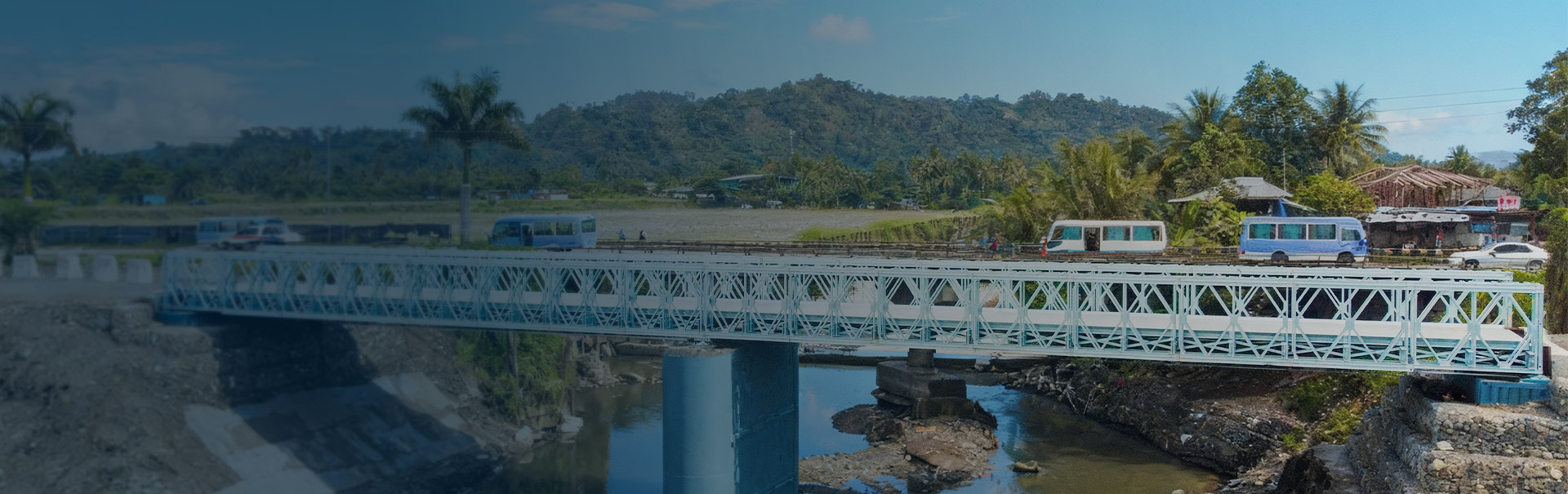
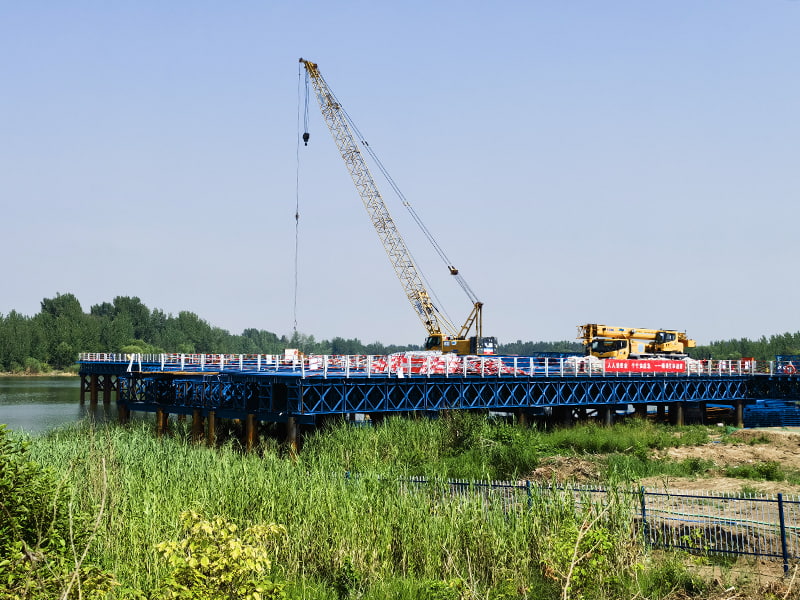

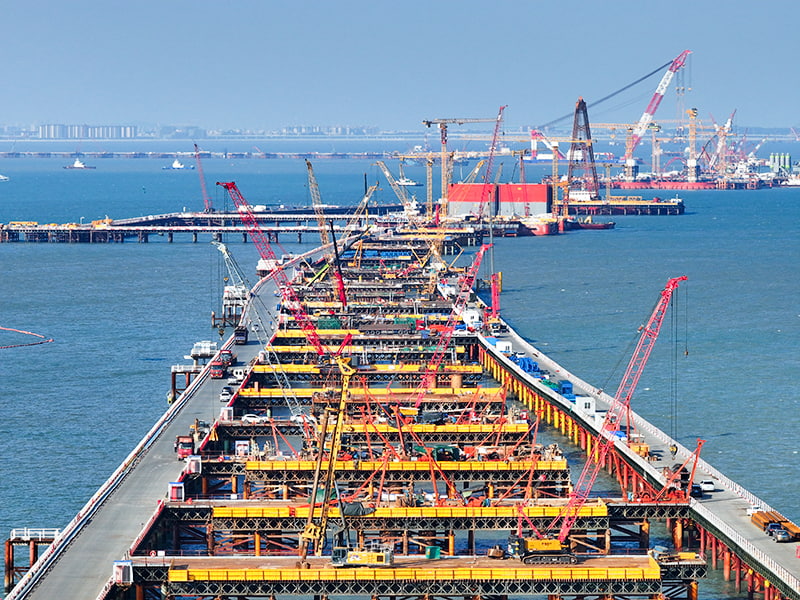
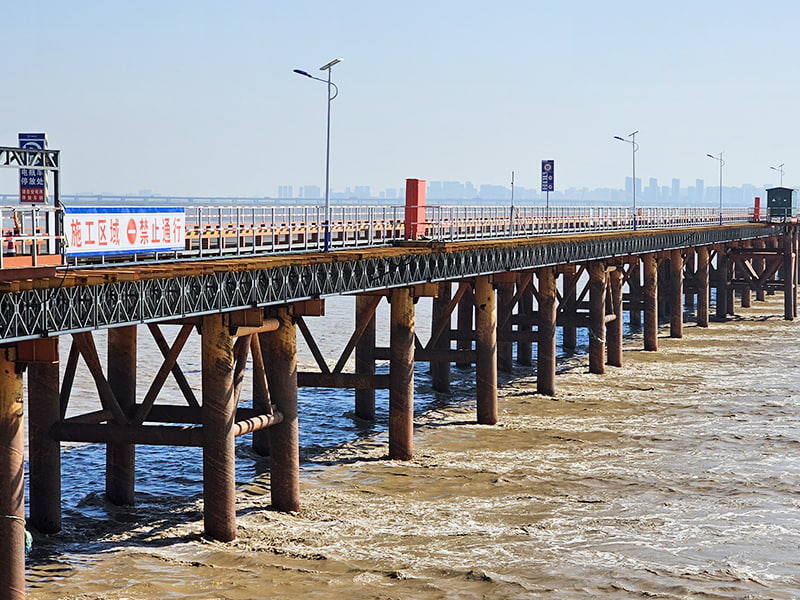
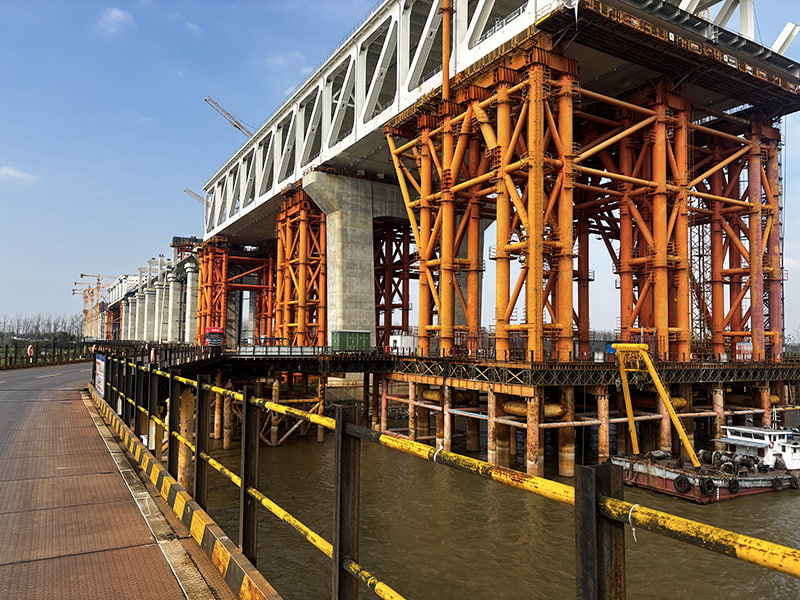
The Construction Platforms for Bridges over are temporary supporting structures primarily composed of section steel, steel pipe piles, and Bailey panels, specifically designed for offshore bridge construction. These platforms are adaptable to the complex working conditions and spatial requirements during bridge construction, meeting various load requirements and ensuring reliable support in diverse construction environments. They also comply with strict safety standards, ensuring the safety of construction personnel. Due to their temporary design, the Construction Platforms for Bridges offer strong adaptability to different construction needs, allowing adjustments based on specific requirements to ensure smooth completion of tasks in offshore or other special environments. Additionally, these platforms are characterized by ease of construction and convenience for removal, allowing them to be swiftly dismantled after the project is completed, reducing environmental impact and facilitating subsequent work.
A TRUSTED MANUFACTURER OF MODULAR STEEL BRIDGES



 ZHONGHAI BRIDGES
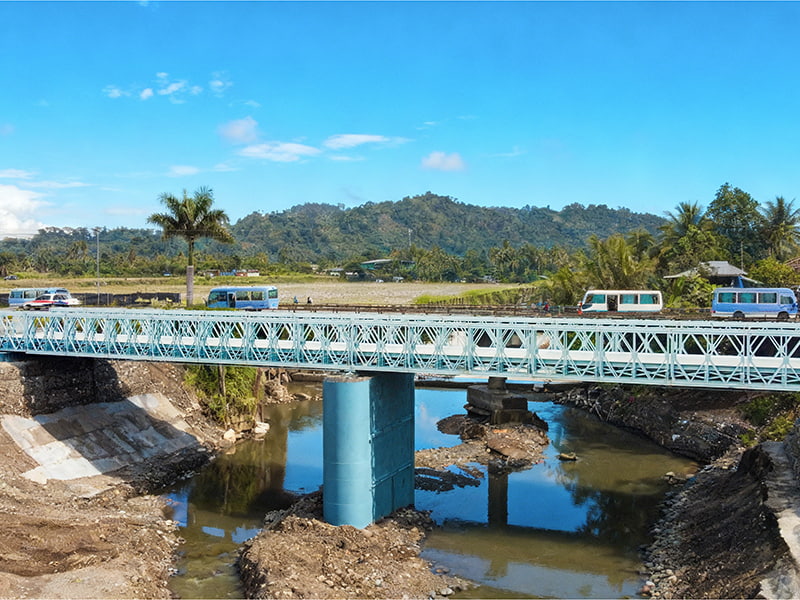
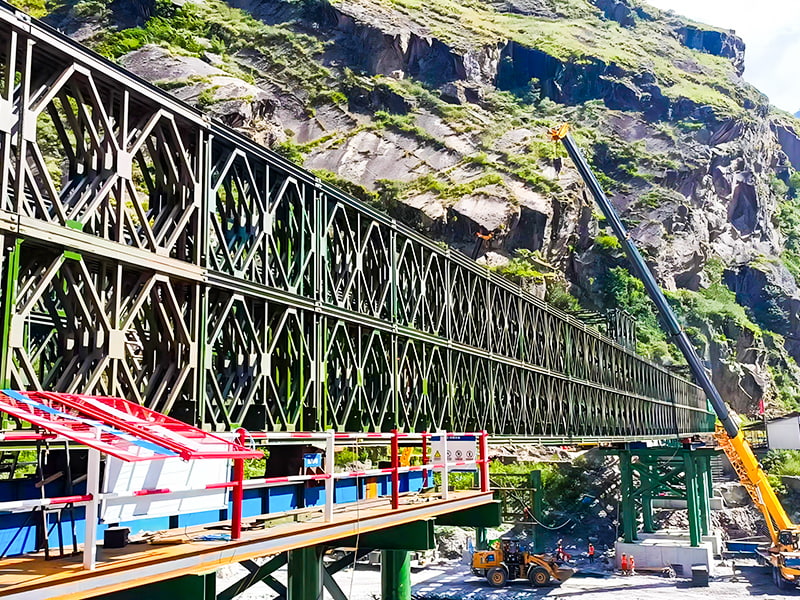
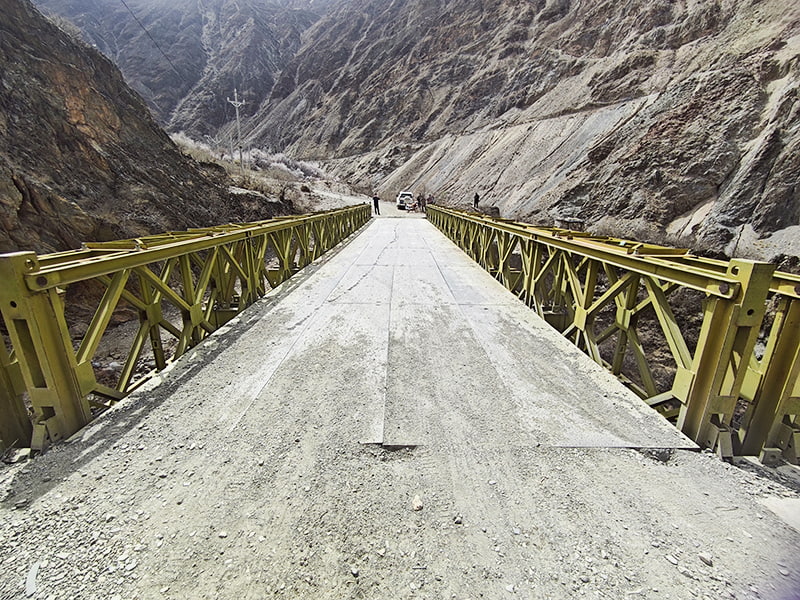
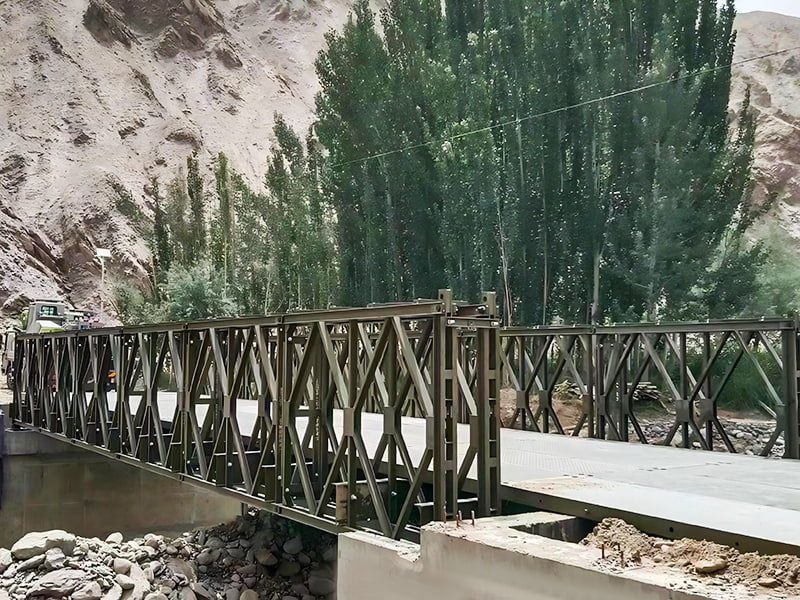
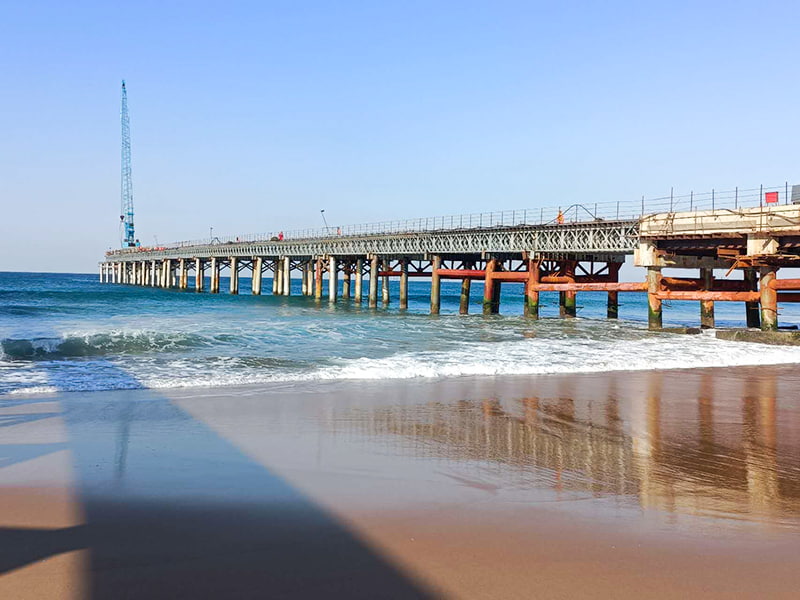
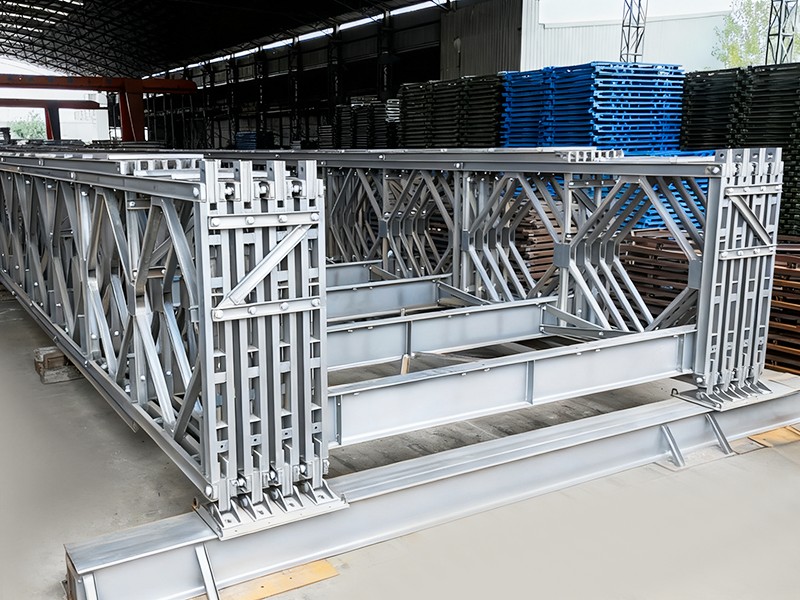
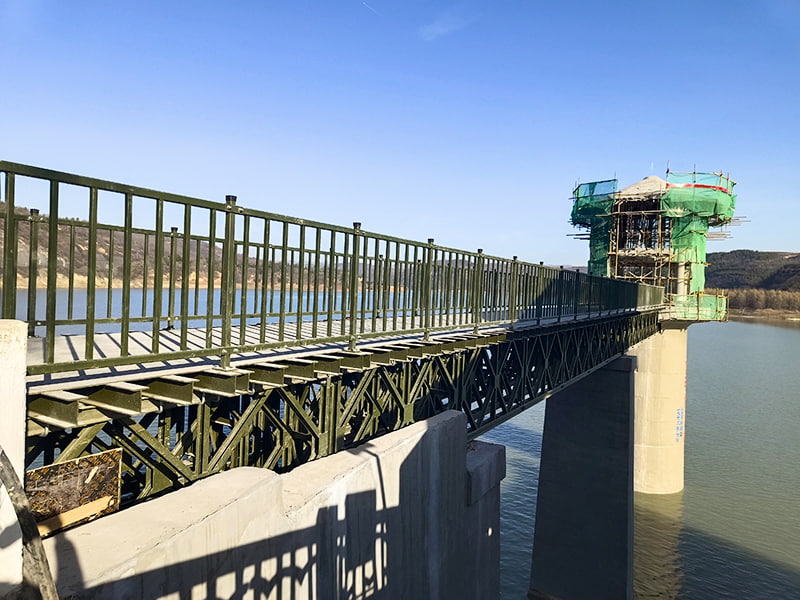
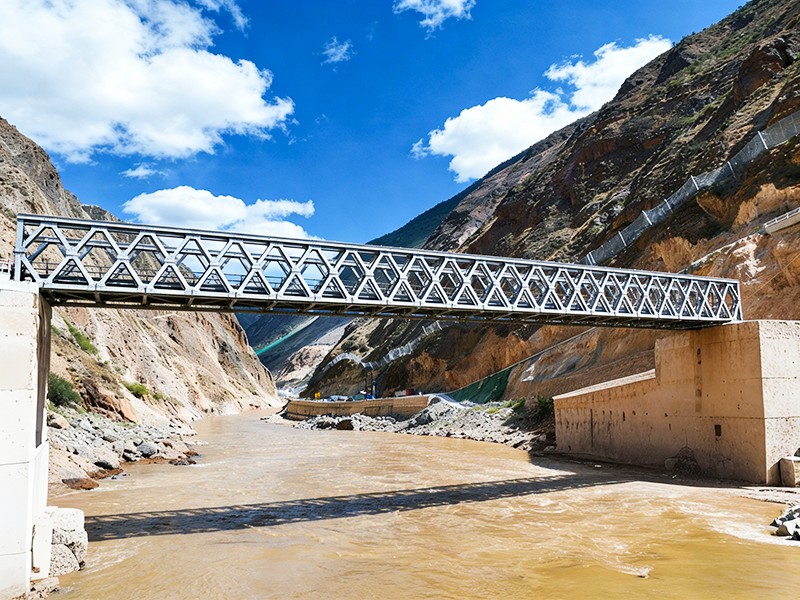
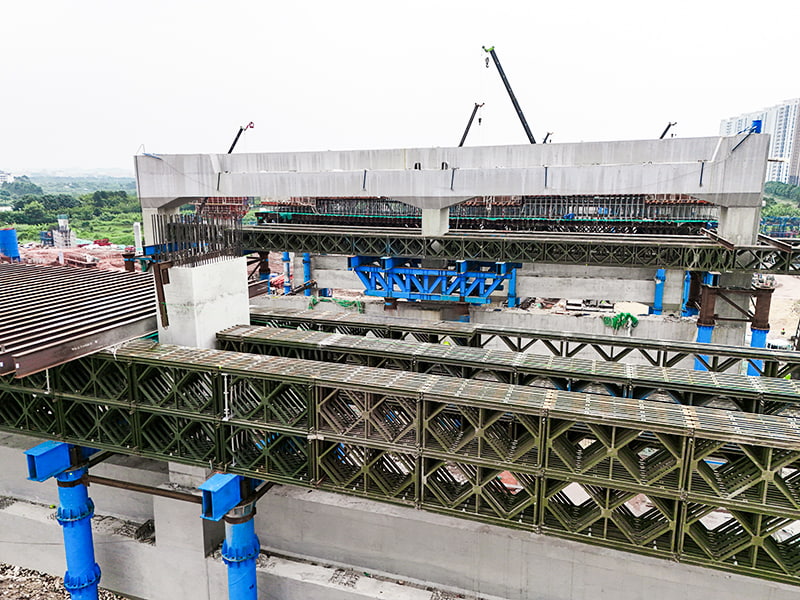
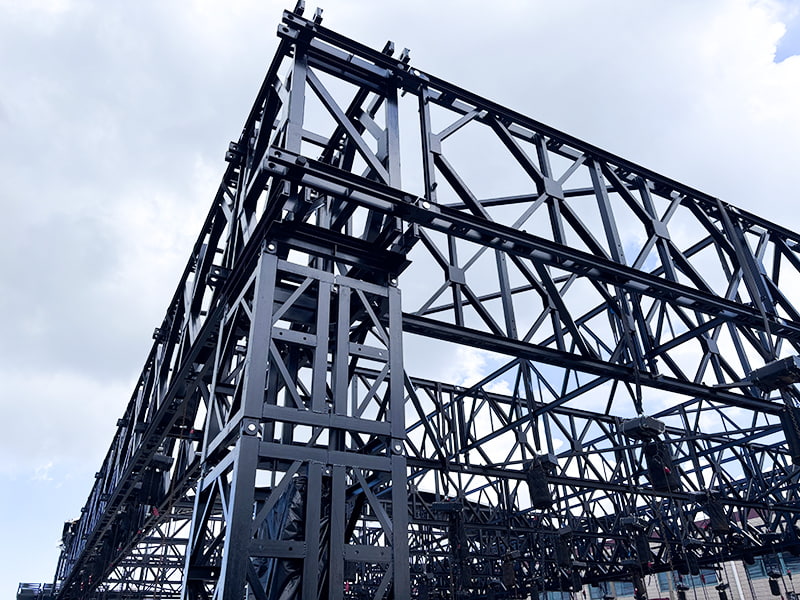
A Bridge Construction Platform is the working deck and load-bearing support structure that crews rely on during erection, formwork placement, welding, and inspection work at height. Built from modular steel components, these systems give a stable footprint over open water, deep ravines, or live traffic lanes where a fixed foundation isn't practical. As bridge spans grow longer and job sites become harder to access, Construction Platforms For Bridges Over rivers, valleys, and highways have moved from a secondary accessory to a core piece of erection equipment, shaping how fast and how safely a bridge can actually go up.
At Jiangsu Zhonghai Bridge Equipment Co., Ltd, we look at a platform as more than a deck — it's the interface between the crew and an unfinished structure. A working platform has to carry the loads of jacks, launching noses, welding gear, and moving personnel, all while staying level and stable as the bridge geometry changes underneath it. Modular panels bolted or pinned together let a Bridge Construction Platform be extended span by span rather than rebuilt from scratch at each stage, which cuts down on repeated on-site welding and shortens the time crews spend working at height.
The reason platform design varies so much project to project is that the job itself varies. A deck built for a highway overpass doesn't face the same conditions as one suspended over a fast-flowing river. In practice, Construction Platforms For Bridges Over water, road, and rail all draw on the same modular principle but get configured differently for load, span, and access. Common deployment scenarios include highway and railway construction, river crossings and water conservancy engineering, military mobility and emergency bridging, disaster relief and rapid traffic restoration, and overseas infrastructure programs in developing regions — see our Construction Platforms For Bridges Over page for the platform configuration behind these use cases.
Illustrative comparison of typical engineering emphasis across deployment scenarios, not a statistical survey.
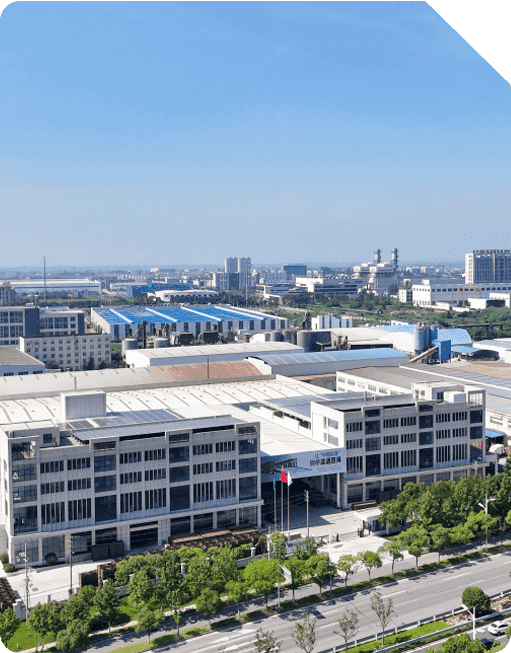
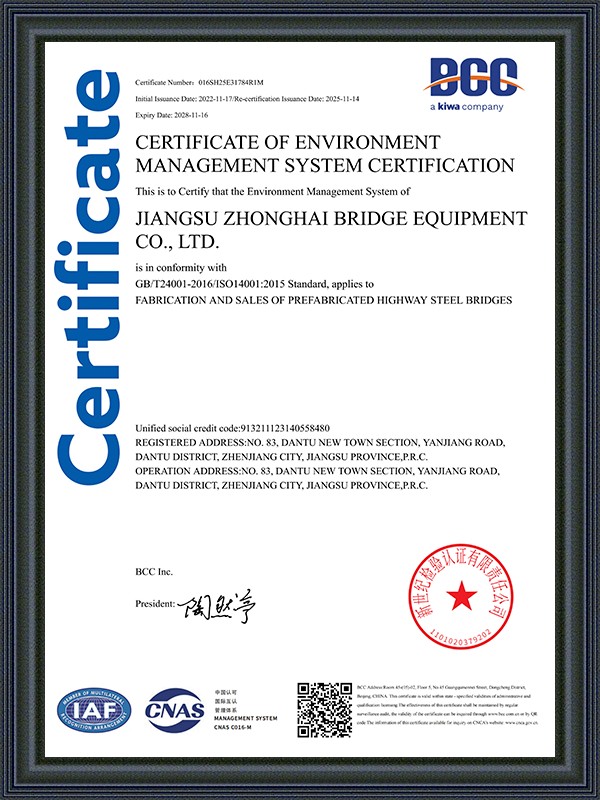
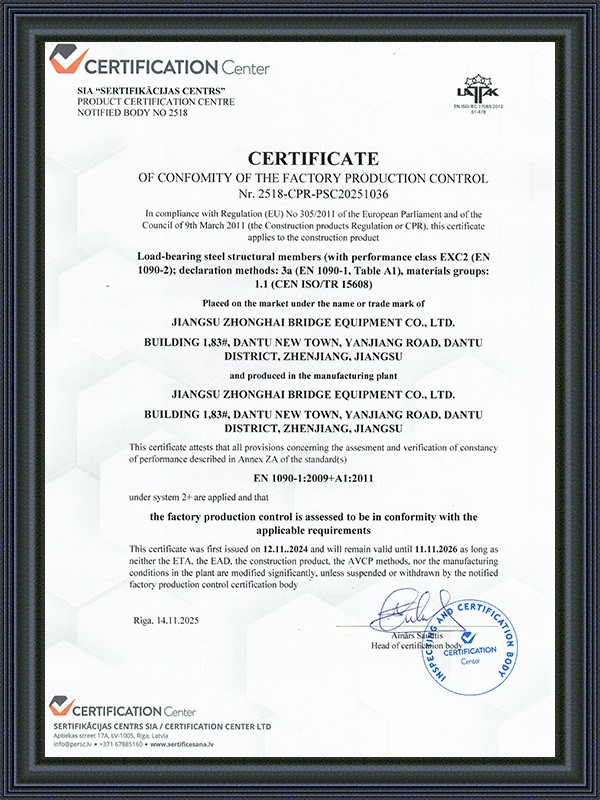
A platform is only as trustworthy as the welds and steel behind it. With an annual production capacity exceeding 60,000 tons, automatic welding robots, and a full set of NDT welding inspections, Jiangsu Zhonghai Bridge Equipment Co., Ltd operates under a rigid quality management framework, and all exported steel materials are matched to the mechanical demands of platform components — from load-bearing decking to connection pins — so that consistency holds up across large production runs rather than just on a single batch.
Even quarterly distribution of the company's stated 60,000+ ton annual capacity, shown for scale reference.
| Duty Class | Typical Use | Access Pattern |
|---|---|---|
| Light Duty | Inspection and survey walkways | Foot traffic only |
| Medium Duty | Formwork and rebar staging | Foot traffic plus light equipment |
| Heavy Duty | Launching and jacking operations | Machinery and concentrated loads |
Not every project has the luxury of a slow, phased build. From design to delivery, the goal our team at Jiangsu Zhonghai Bridge Equipment Co., Ltd works toward is performance, safety, and efficiency together — which matters most when a platform has to go up fast, whether that's for disaster relief, rapid traffic restoration, or a military mobility deployment. Terrain adaptability, assembly speed, and how easily a platform can be trucked in and reused on the next job all become as important as raw load capacity once response time is part of the brief.
Qualitative comparison for general reference only, not measured test data.
This is also where overseas infrastructure programs in developing regions come into play: sites often lack the local fabrication depth to build a working platform from scratch, so a system that can be shipped, assembled with hand tools, and reconfigured on-site carries real weight in the sourcing decision.
Formwork shapes concrete as it cures; a construction platform is the working surface crews stand on and equipment sits on while that formwork, rebar, or steel segment is being placed. The two often sit right next to each other on site but serve different jobs.
Modular steel platforms are generally designed to be disassembled, transported, and reconfigured, which is a big part of why they're specified for programs with multiple crossings or repeat deployments rather than a single one-off build.
It comes down to what the platform actually has to carry — personnel alone, formwork and rebar staging, or heavier jacking and launching machinery — which is why duty classes exist rather than a single fixed rating for every job.
Our production capability, strict quality control, and engineering experience are backed by responsive support: inquiries received on working days get a reply within 24 hours, which matters most on projects with tight mobilization windows.

Product Category
Bailey Bridge/Modular Bridge Modular Steel Bridge Pedestrian Bridge Modular Pipe Bridge Truss Bridge Steel StructureContact Us


