
 English
  русский
  Español
  Português
 Call us
+86-511-84522866

A TRUSTED MANUFACTURER OF MODULAR STEEL BRIDGES



 ZHONGHAI BRIDGES
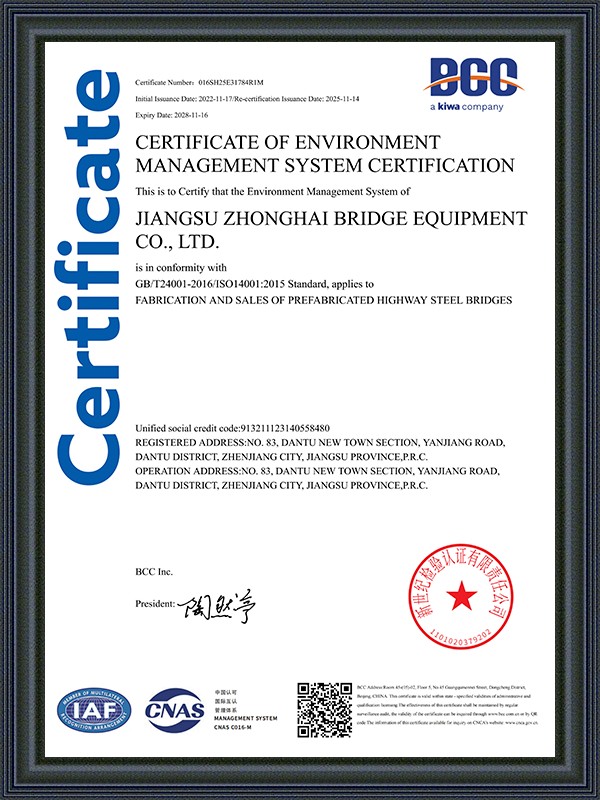
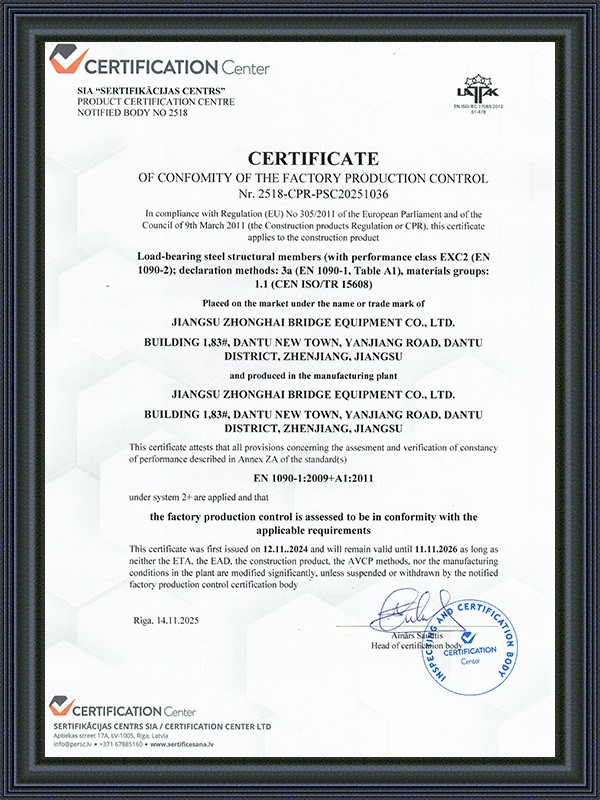
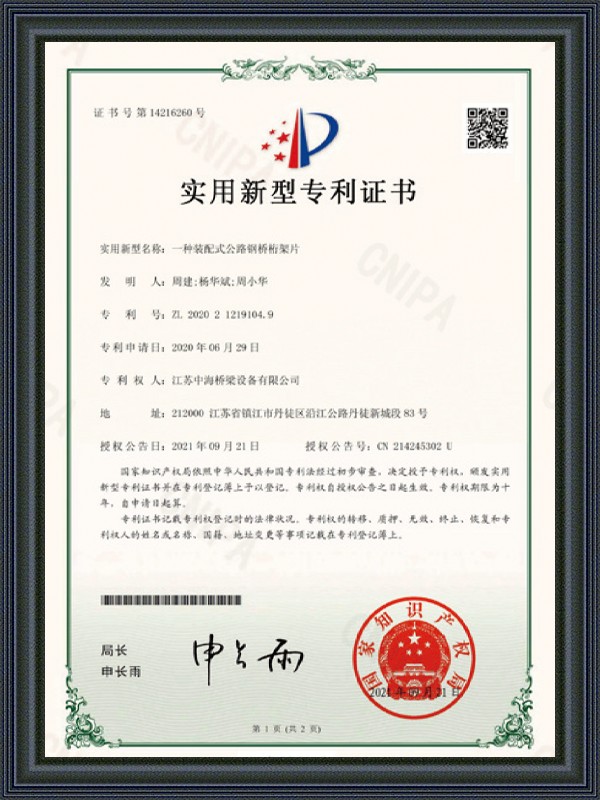
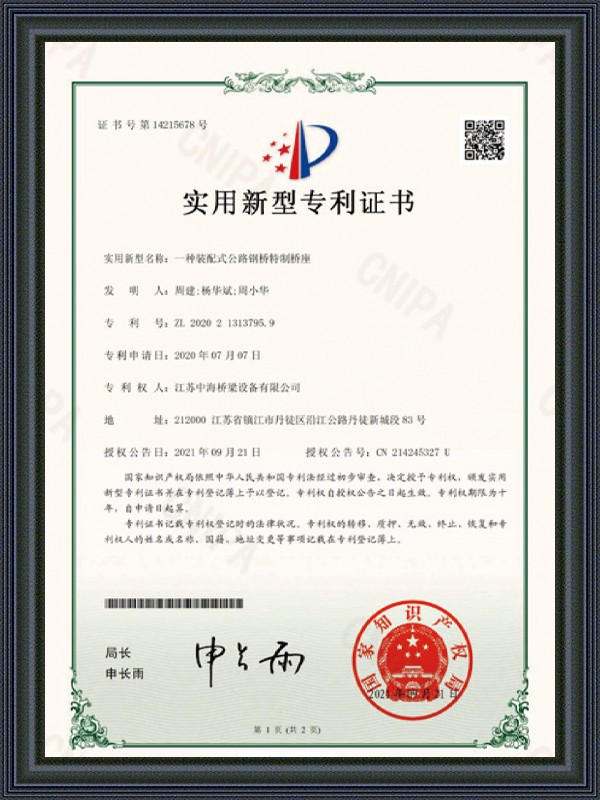
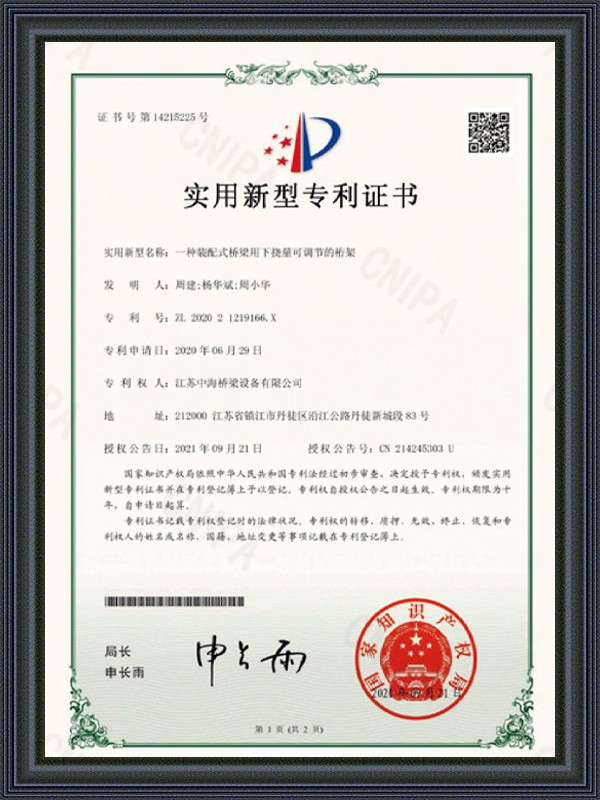
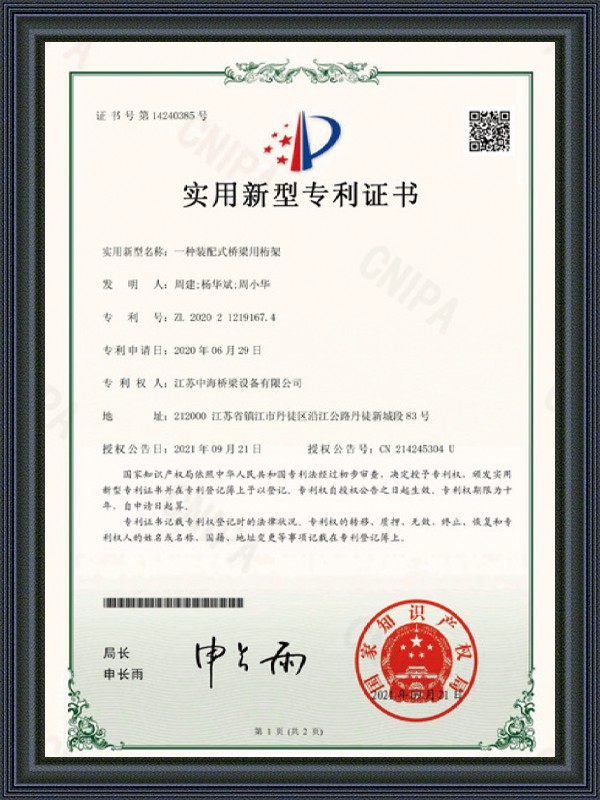
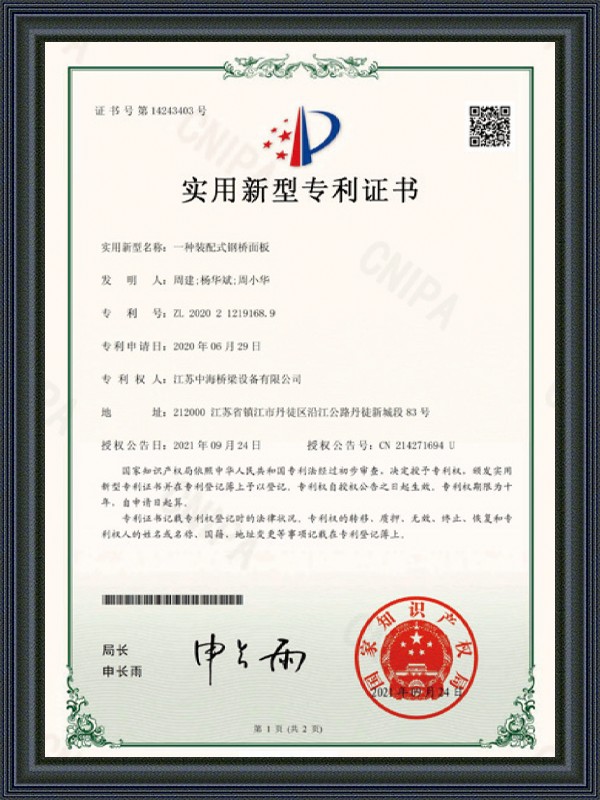
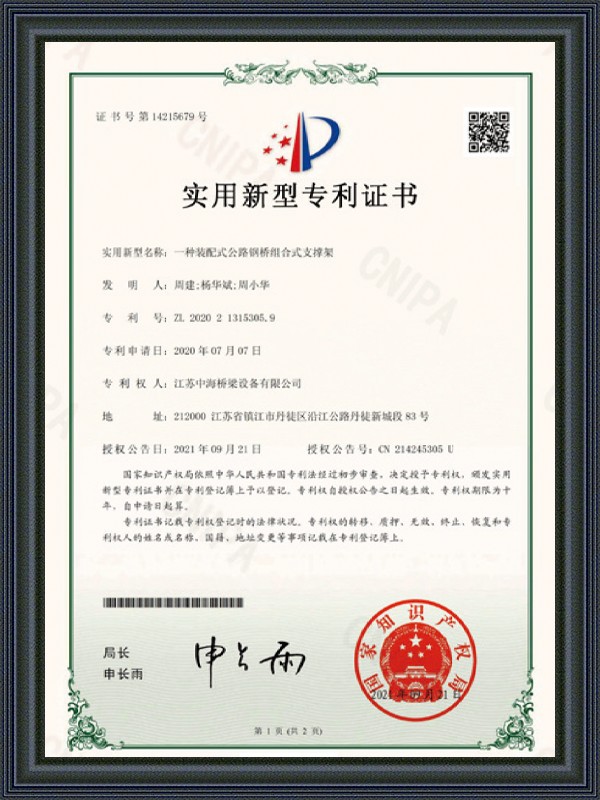
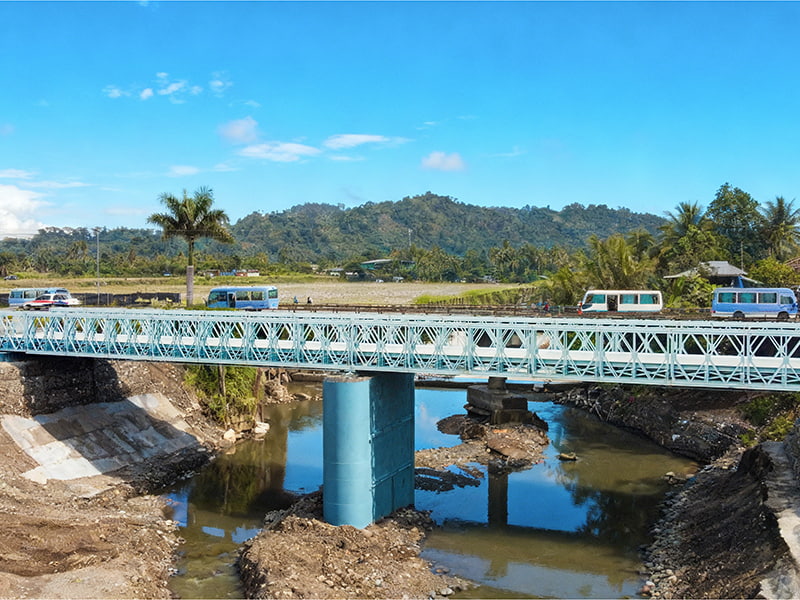
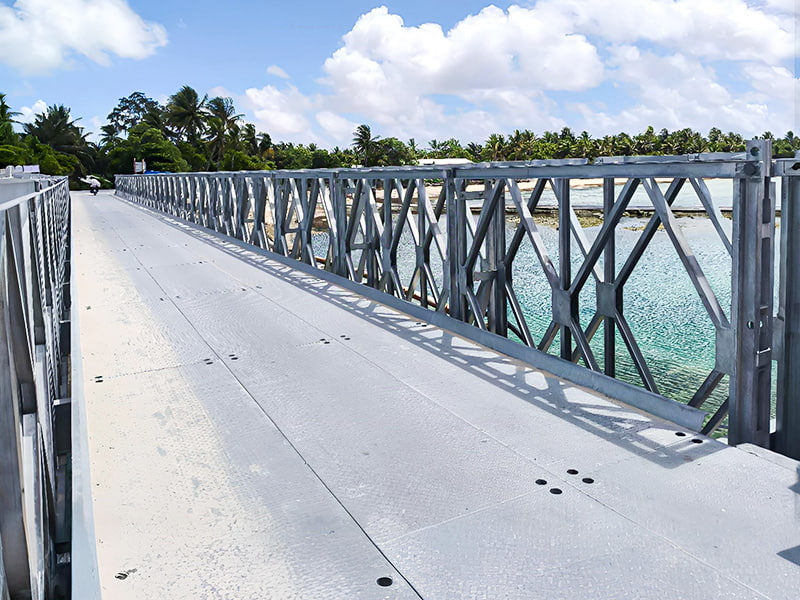
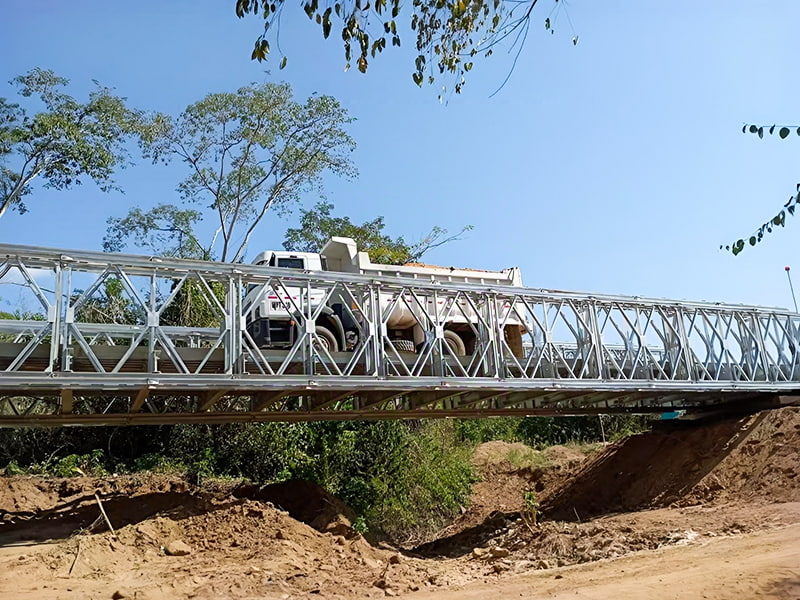
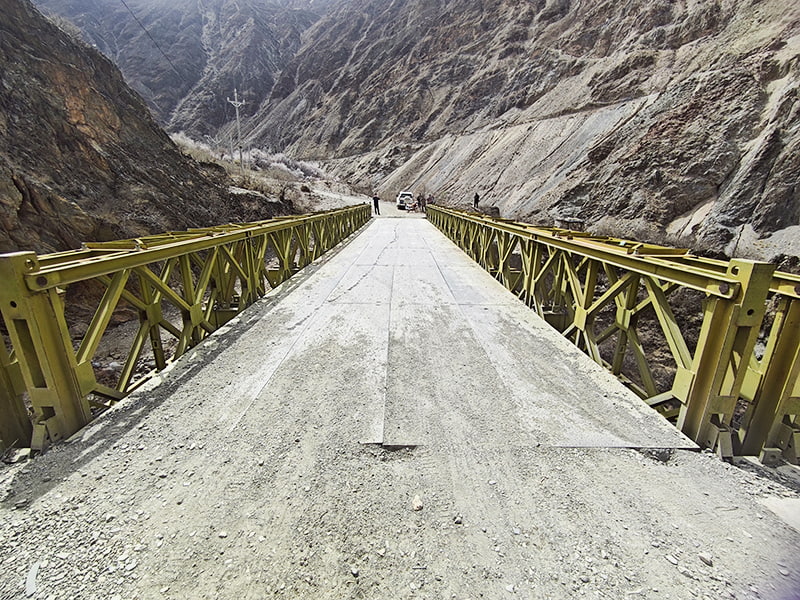
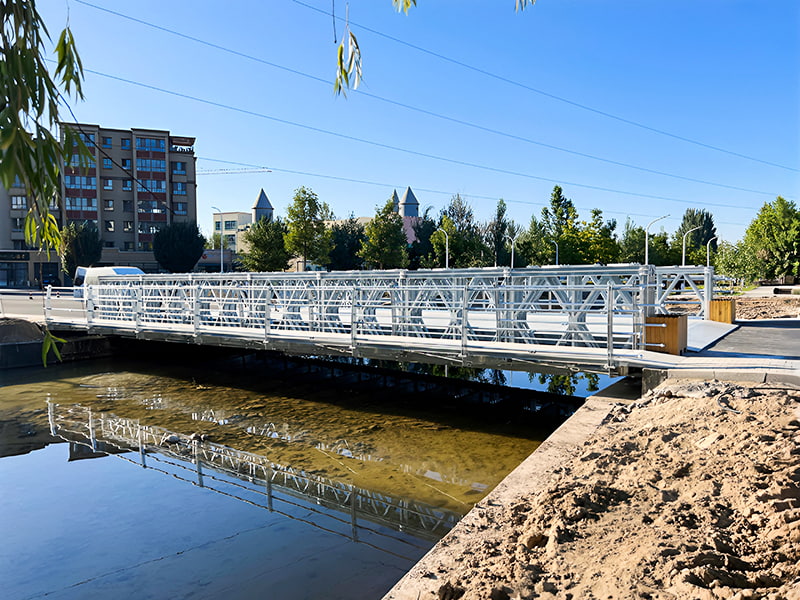
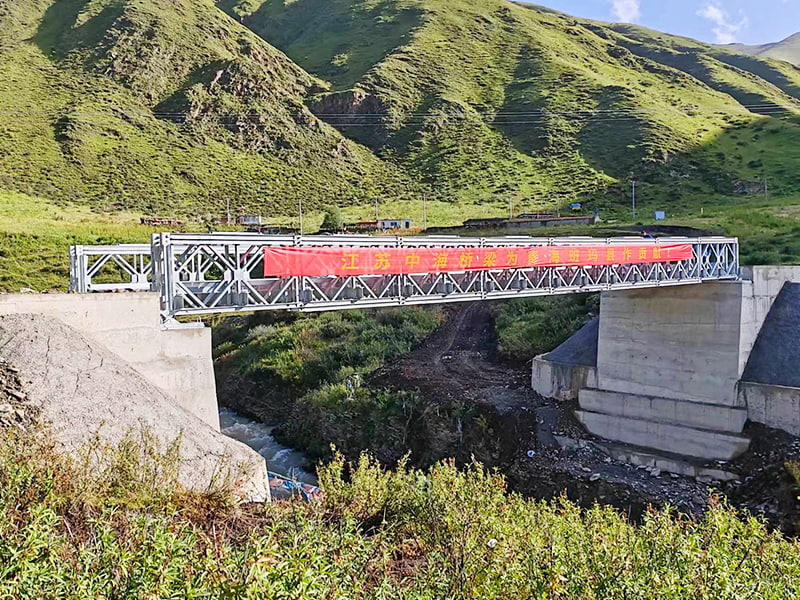
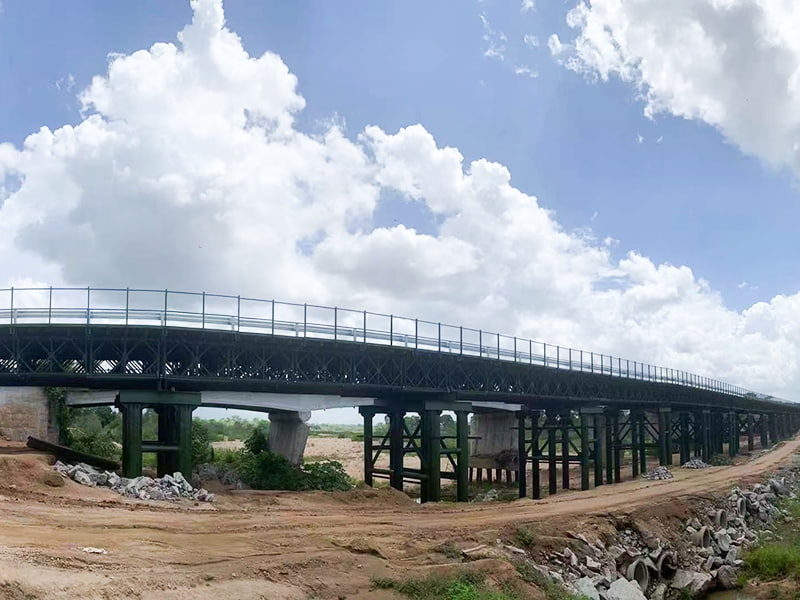
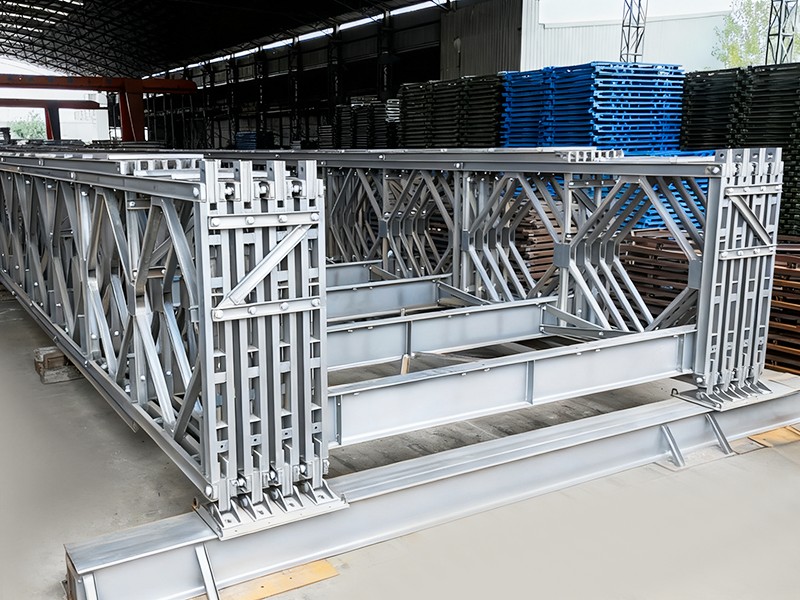
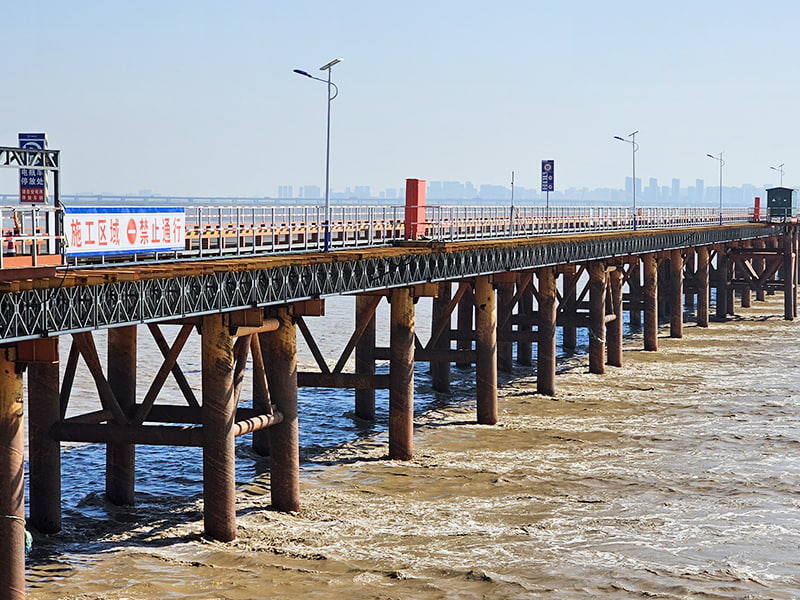
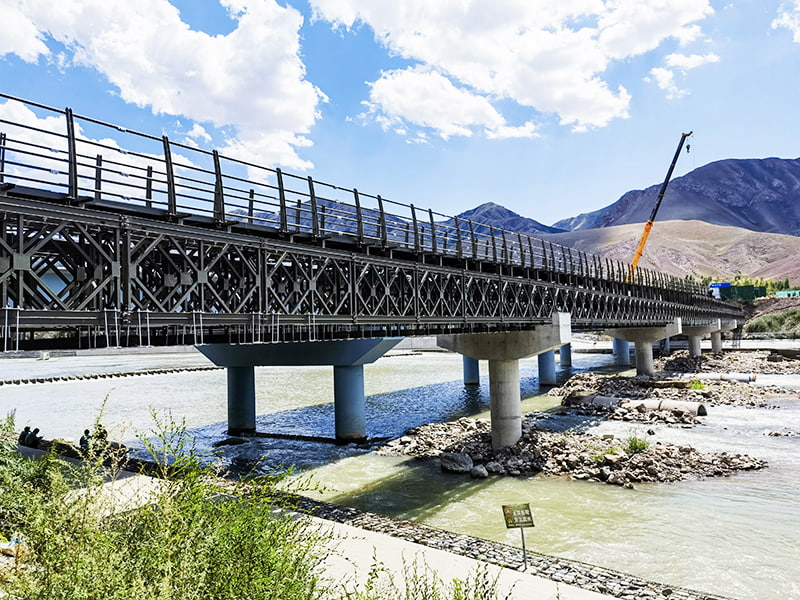
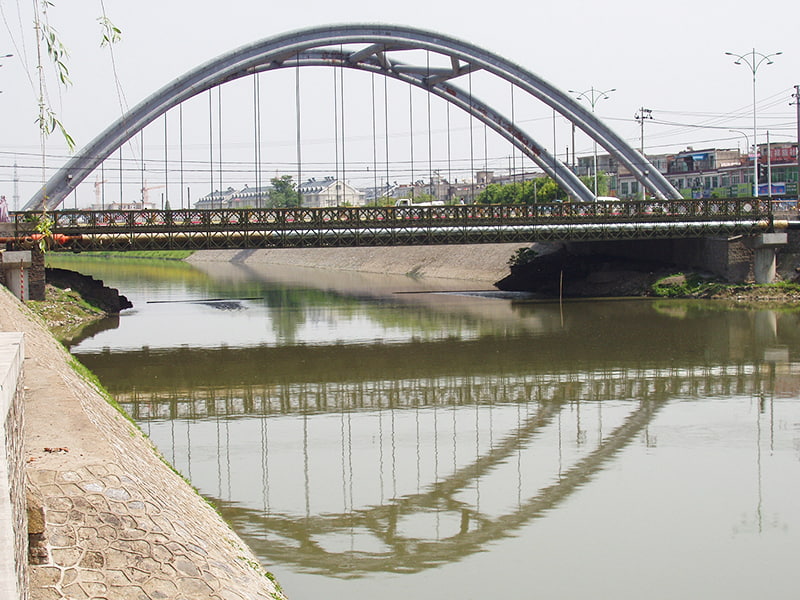
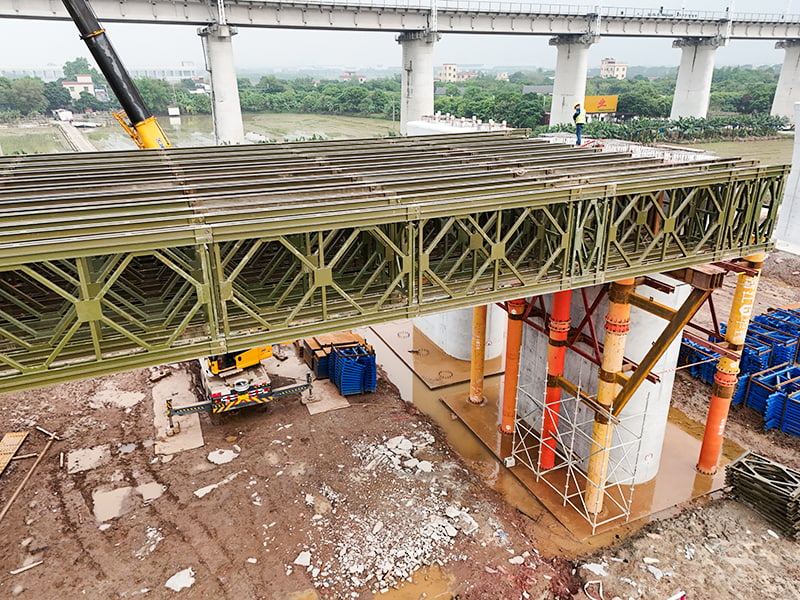
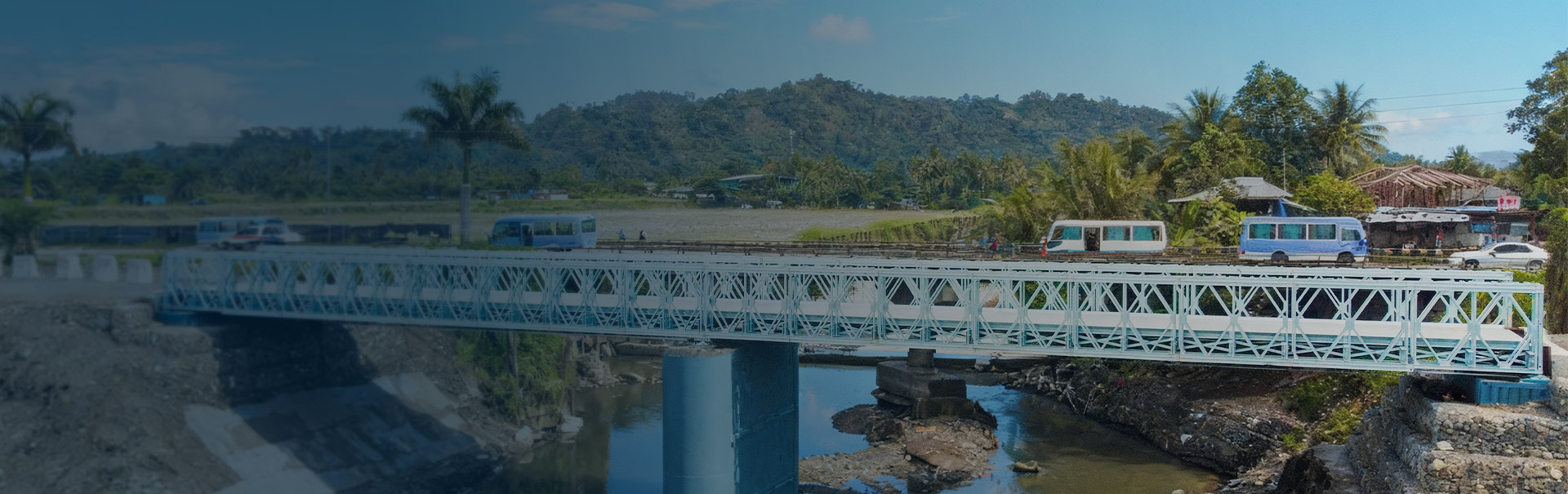
A steel support is one of those components that rarely gets attention until something goes wrong, yet it carries the entire weight of a working structure. In bridge engineering, structural steel support refers to the load-bearing framework, panels, and connective assemblies that hold a span steady under traffic, wind, and shifting ground conditions. The category spans a wide range of formats, from standardized panel-based systems used in modular and Bailey-type bridges to fully custom trusses built for a single project's geometry. Understanding how a steel support is designed, fabricated, and kept in service over the years is useful for anyone specifying, procuring, or maintaining a bridge structure, because the right support system is what determines whether a bridge performs reliably for decades or requires early intervention.
Before a single beam is cut, a structural steel support has to be worked out on paper. Jiangsu Zhonghai Bridge Equipment Co., Ltd's engineering team provides comprehensive design and technical support for modular steel bridges, Bailey bridge systems, and custom steel structures, drawing on experience in load analysis, span configuration, and structural optimization so that each solution matches the demands of its specific project. This groundwork matters because a support system that looks similar to another on the surface can behave very differently once real loads, span lengths, and site conditions are factored in.
Load analysis determines how force travels through the panels, chords, and bearings; span configuration decides how many bays and what truss depth a crossing needs; structural optimization looks for the balance between material use and stiffness so the support isn't over-built in one area and under-built in another. These three steps together are what separate a support system that simply fits from one that performs.
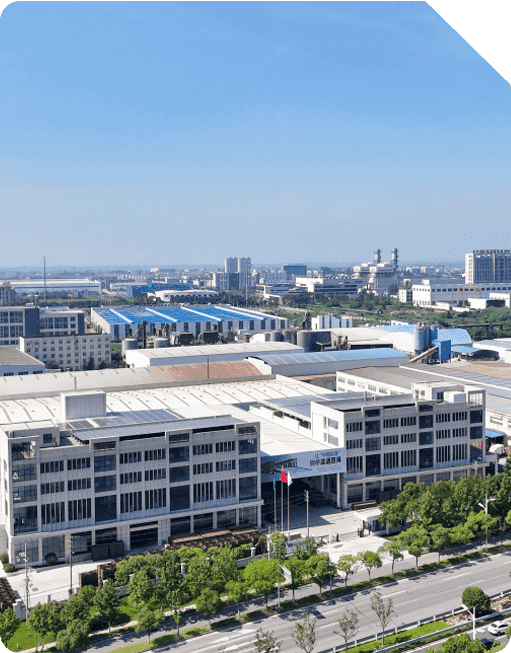
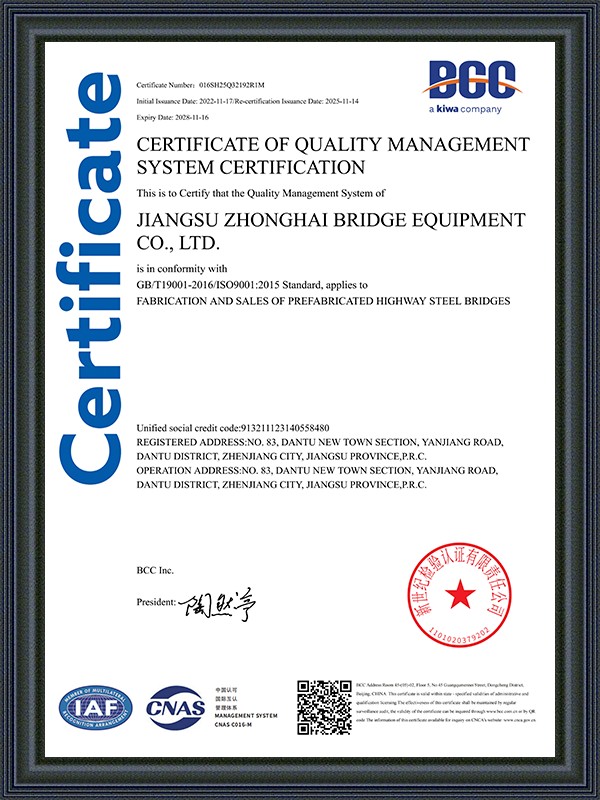
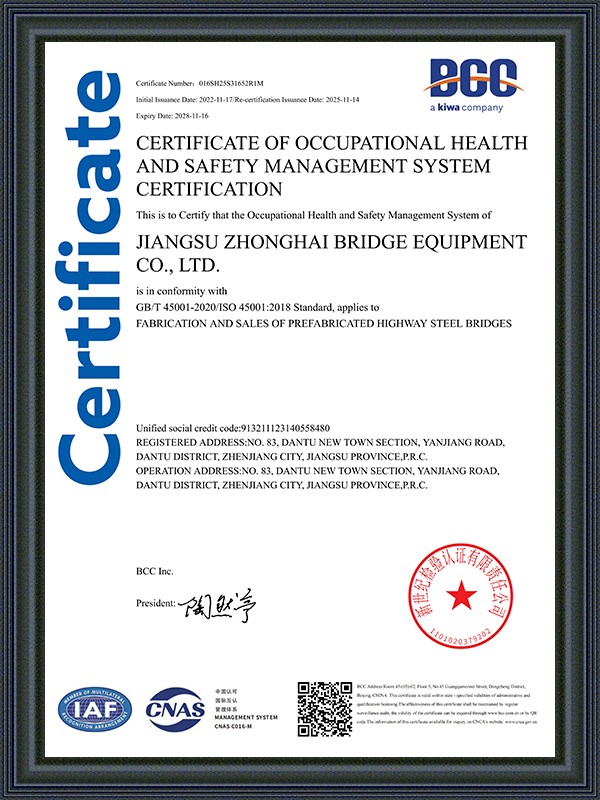
Not every crossing fits a catalog configuration. Jiangsu Zhonghai Bridge Equipment Co., Ltd's custom manufacturing service provides precision fabrication for non-standard bridge components, enhanced load configurations, and project-specific structural assemblies, backed by advanced production equipment, automated welding systems, and strict quality management to deliver consistent, repeatable, high-strength steel structures for demanding engineering environments. This service is aimed at projects that need custom geometries, heavy-duty truss systems, corrosion-resistant treatments, or tailored assembly interfaces that go beyond a standard Bailey bridge specification.
Automated welding is worth pausing on, because weld consistency is one of the biggest variables in a steel support's long-term fatigue performance. A joint welded to a repeatable pattern behaves predictably under cyclical loading; a joint with inconsistent penetration becomes a weak point long before the surrounding steel shows any sign of wear.
| Request Type | Typical Project Driver |
|---|---|
| Enhanced load configuration | Heavier vehicles or equipment than a standard span was designed for |
| Custom geometry | Site constraints such as skewed crossings or irregular banks |
| Corrosion-resistant treatment | Coastal, marine, or high-humidity operating environments |
| Tailored assembly interface | Connecting a new support to an existing structure or abutment |
A structural steel support doesn't stay static once it's installed. Traffic patterns change, loads increase, and individual components wear at different rates depending on exposure. Jiangsu Zhonghai Bridge Equipment Co., Ltd's after-sales and maintenance support program is built around this reality, helping clients maintain structural integrity, replace worn components, upgrade load capacity, and address unexpected operating conditions throughout the bridge's service life. Responsive technical assistance paired with a continuous supply of compatible parts is what keeps a bridge dependable under real-world stress rather than just under design-stage assumptions.
In practice, this means a worn pin, a fatigued panel, or a bearing that has drifted out of tolerance can be addressed as a targeted replacement rather than triggering a full structural review. Planned component replacement is almost always less disruptive and less costly than reacting to a failure after the fact.
The deck is the surface that carries direct traffic; the support is the underlying framework, including panels, chords, and connection points, that carries and distributes that load down to the abutments or piers. A well-designed support determines how much weight a deck can safely carry over a given span.
In many cases, yes. Because after-sales support is built around replacing worn components and adjusting to changing operating conditions, a support system originally sized for lighter traffic can often be reinforced or reconfigured rather than replaced outright, depending on the original design.
Site geometry, expected load, and environmental exposure are the main factors. A straightforward crossing with typical loads usually suits a standard modular configuration, while irregular geometry, heavy-duty loading, or corrosive environments tend to call for custom fabrication.
This depends on traffic volume, load levels, and environmental exposure, which is why ongoing technical assistance and a steady supply of compatible parts matter more than a single fixed schedule. Components under heavier or more corrosive conditions naturally need more frequent attention.

Product Category
Bailey Bridge/Modular Bridge Modular Steel Bridge Pedestrian Bridge Modular Pipe Bridge Truss Bridge Steel StructureContact Us


Copyright © Jiangsu Zhonghai Bridge Equipment Co., Ltd. All
Rights
Reserved
OEM steel support supplier
custom structural steel support factory
