
 English
  русский
  Español
  Português
 Call us
+86-511-84522866

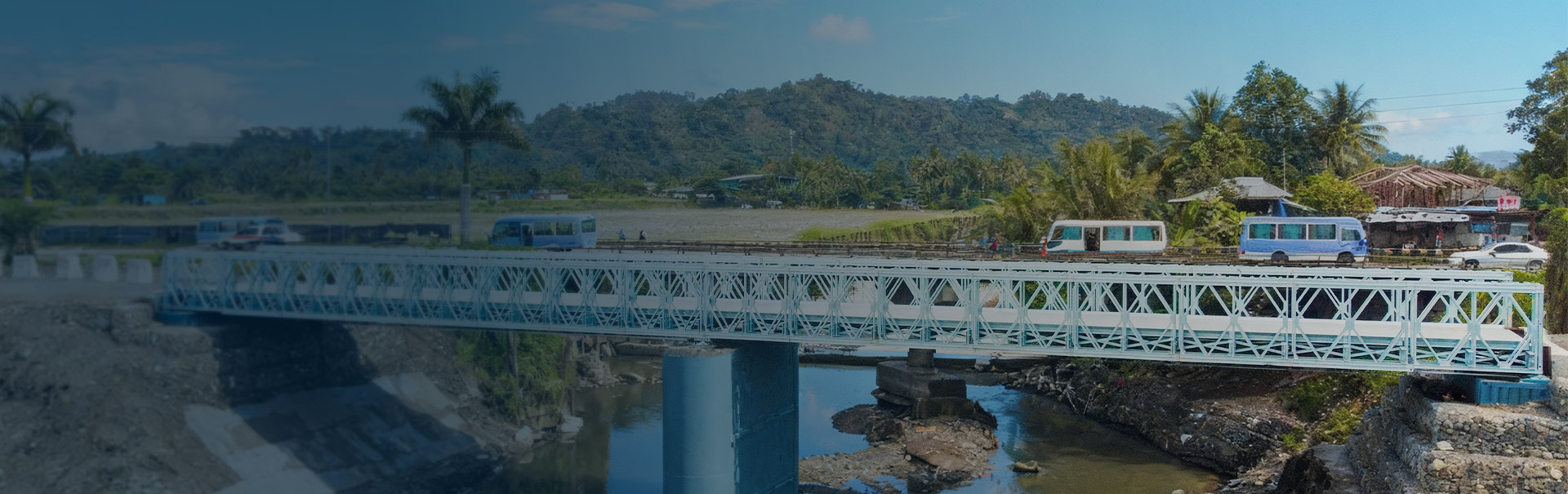

A TRUSTED MANUFACTURER OF MODULAR STEEL BRIDGES




 ZHONGHAI BRIDGES


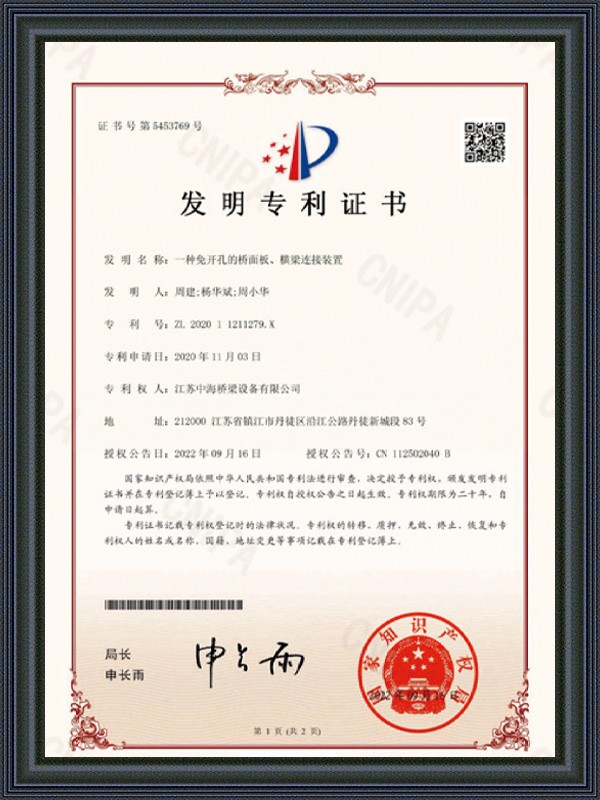
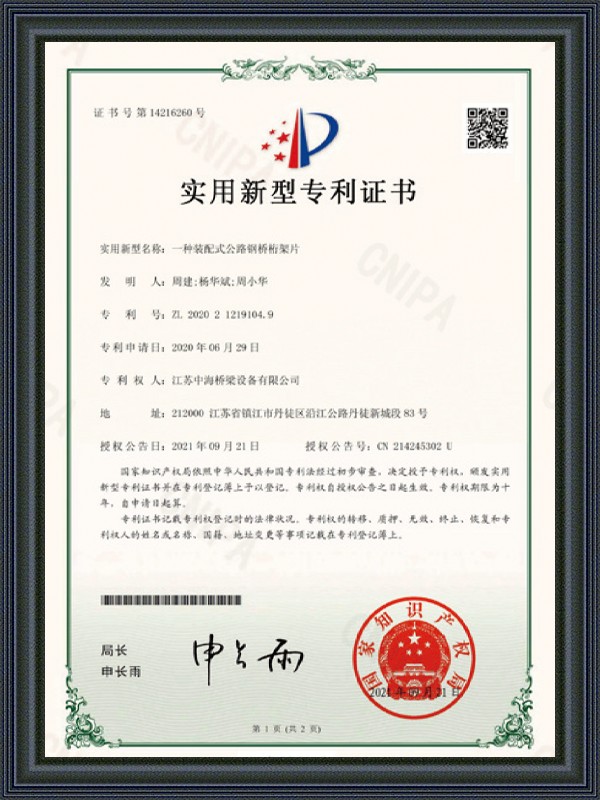
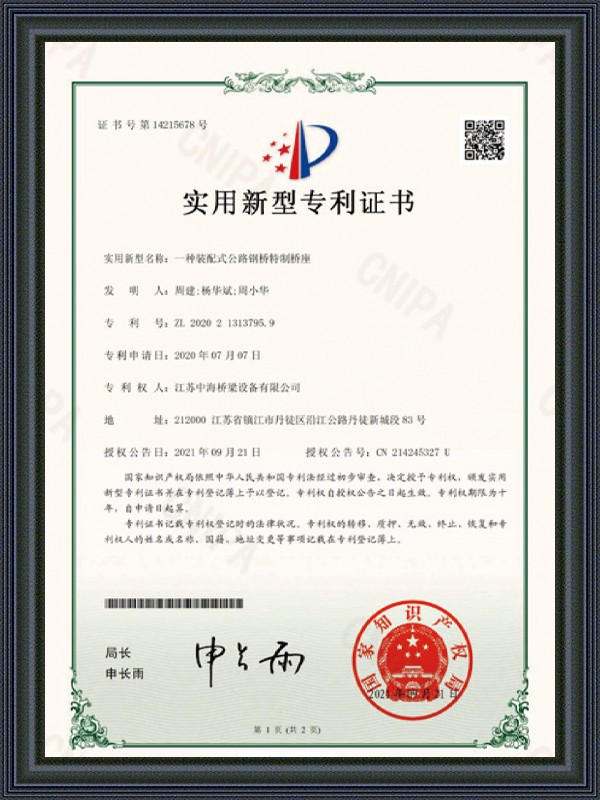

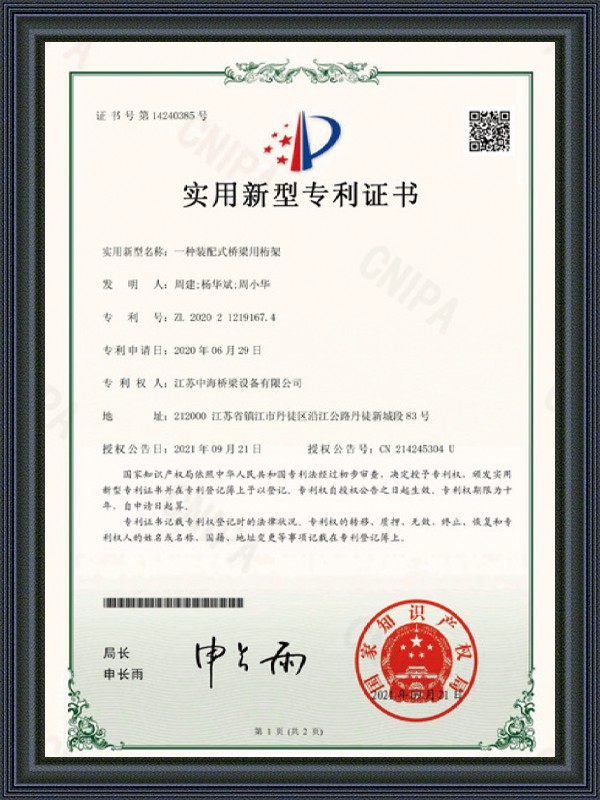


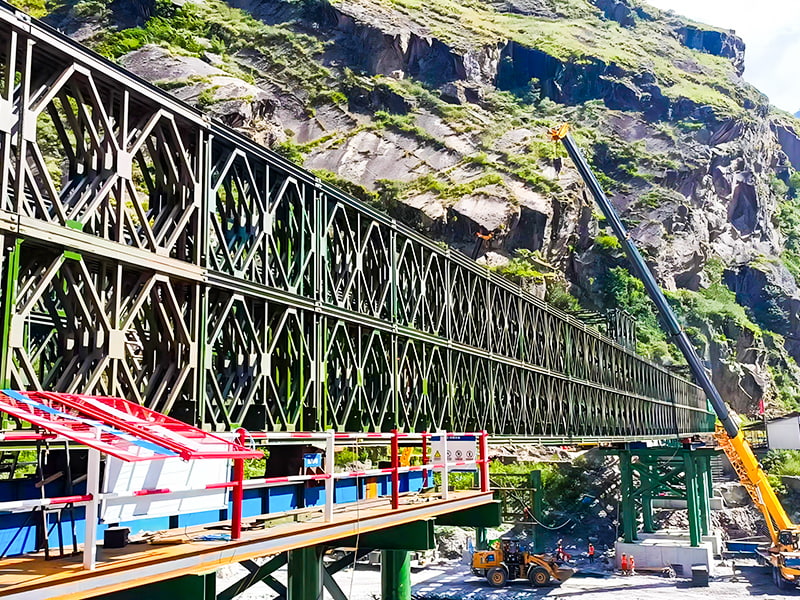
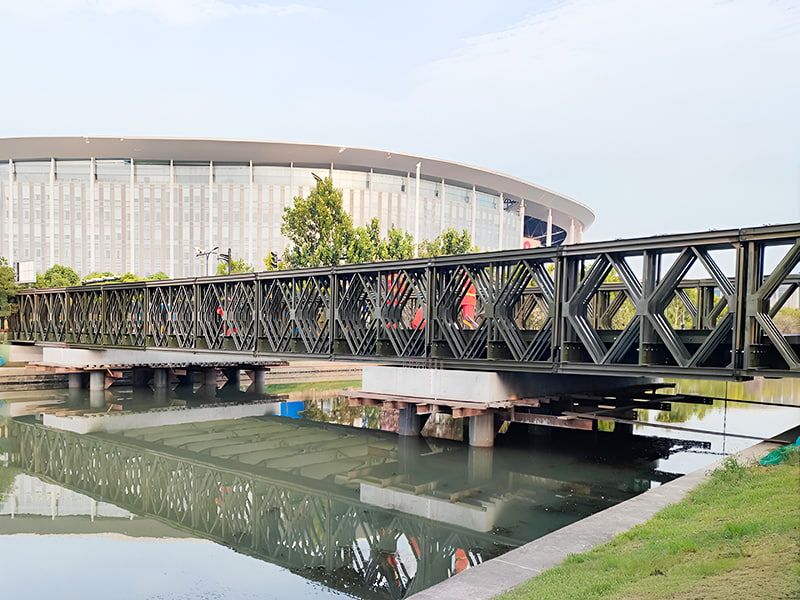
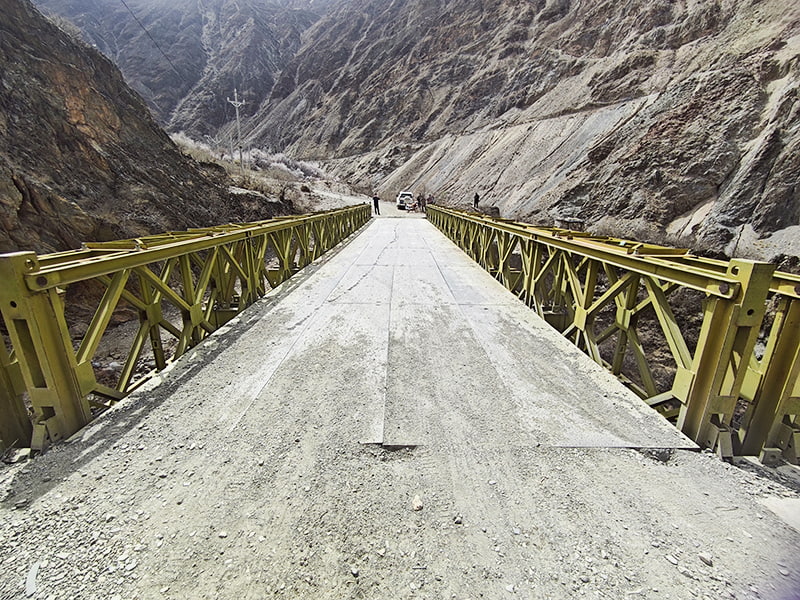
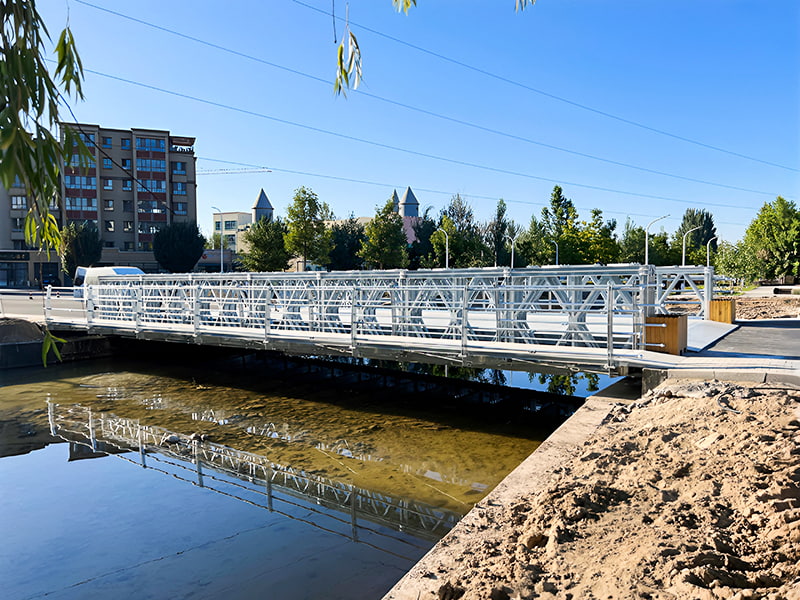
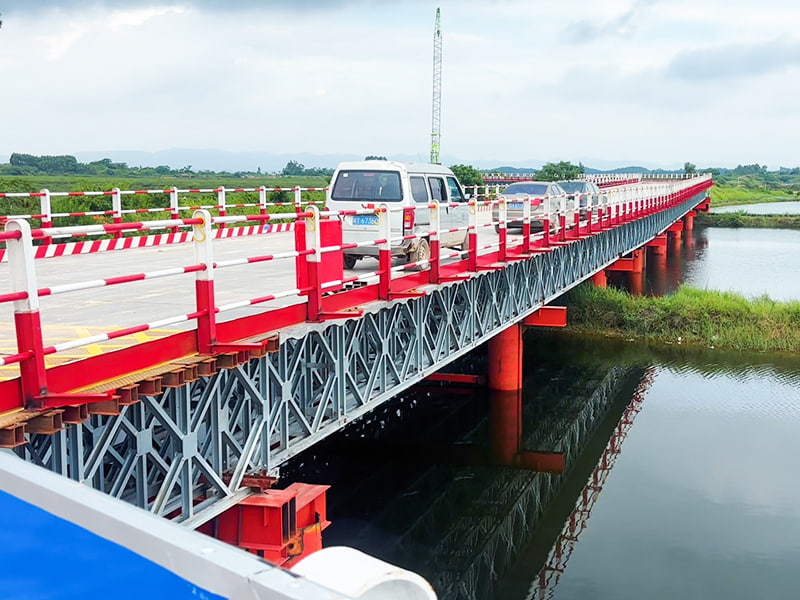
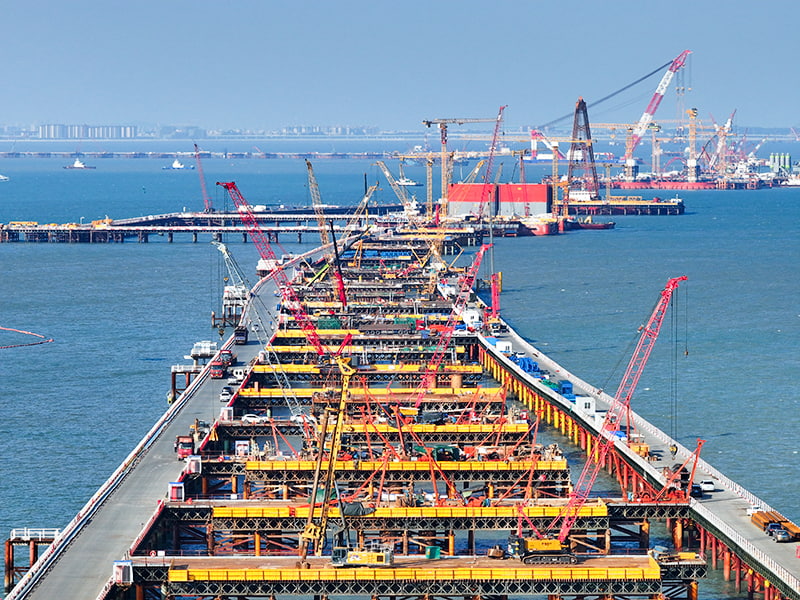
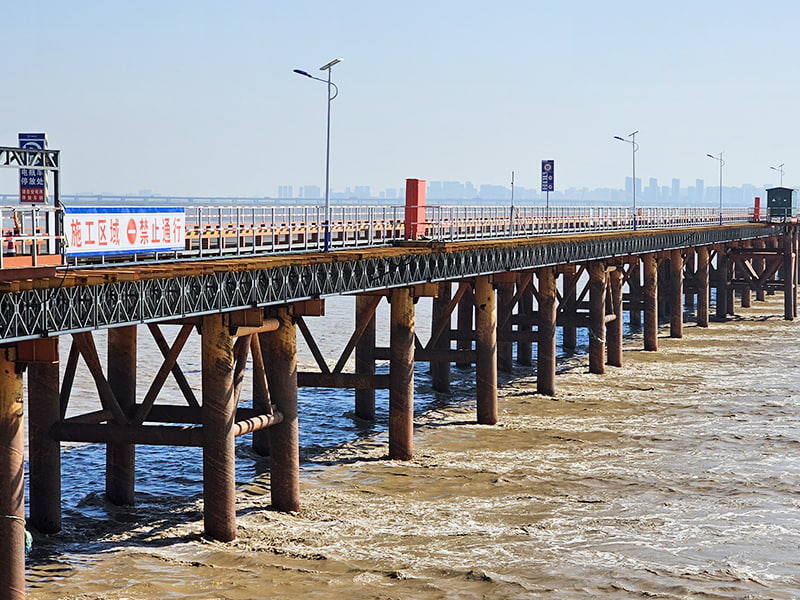
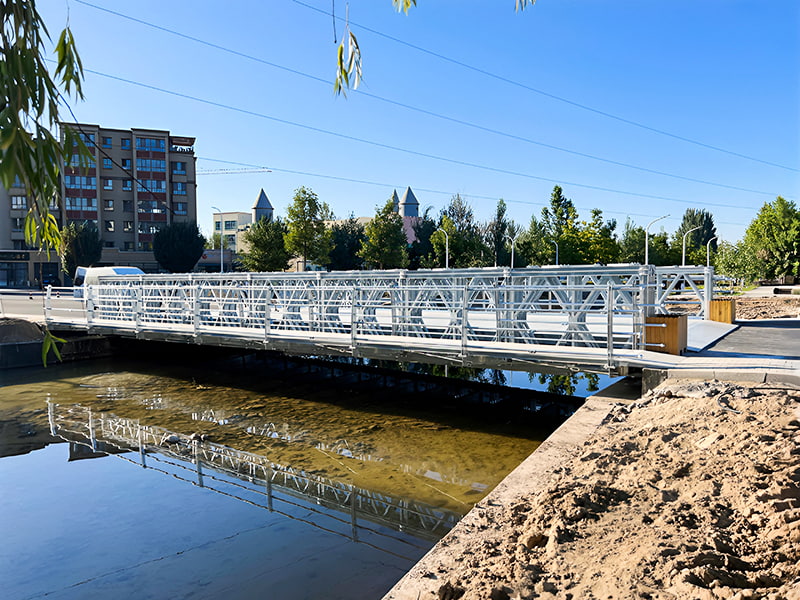
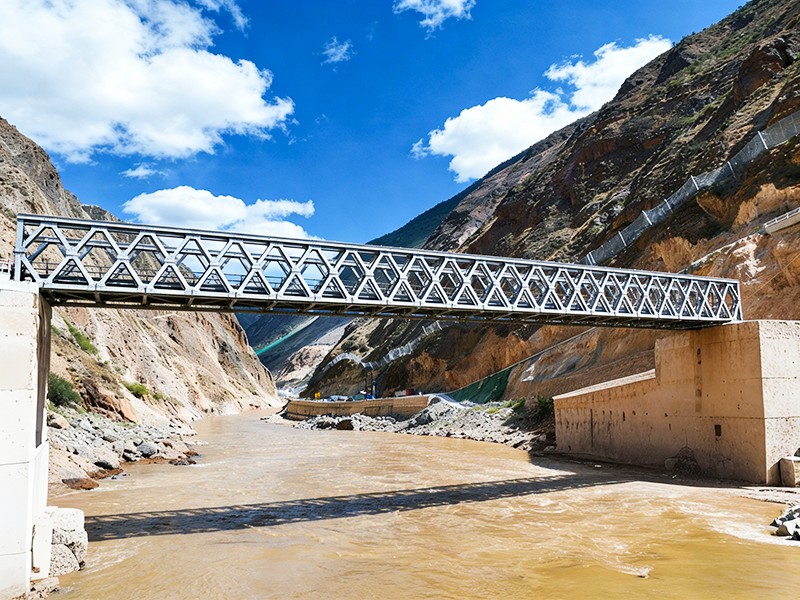
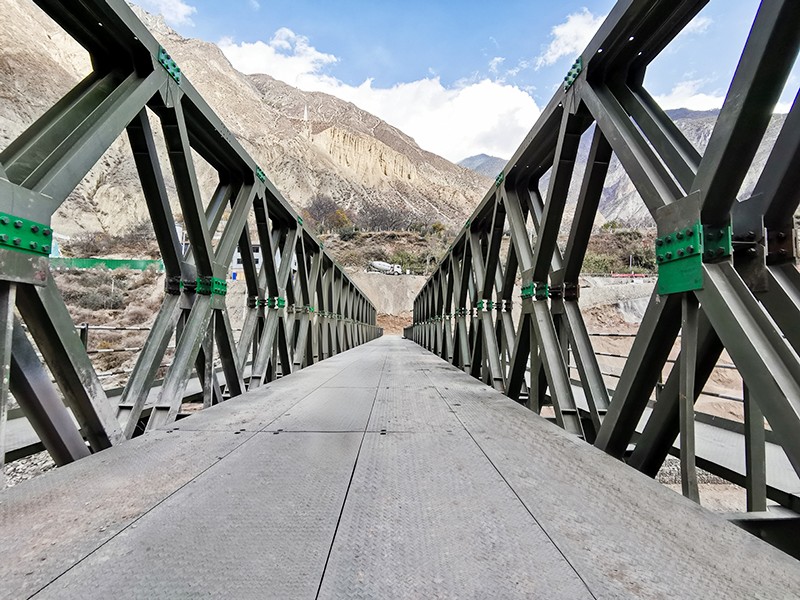
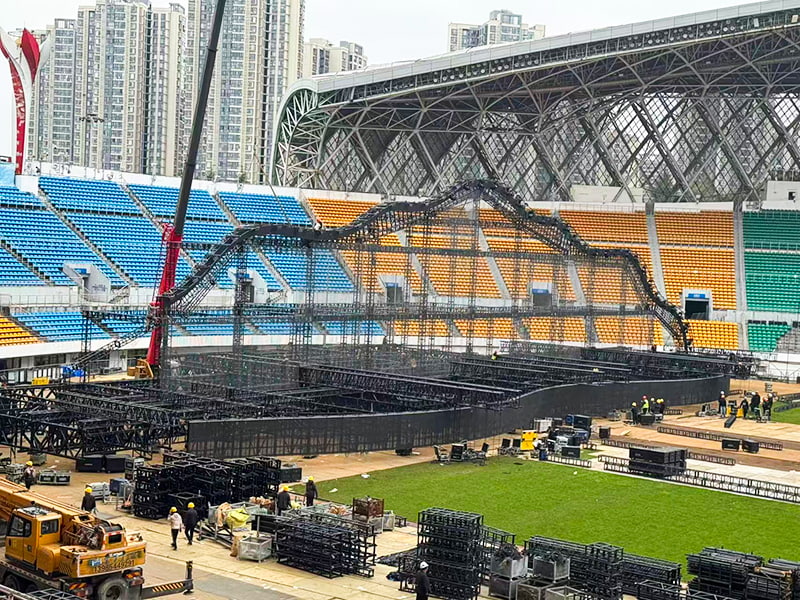
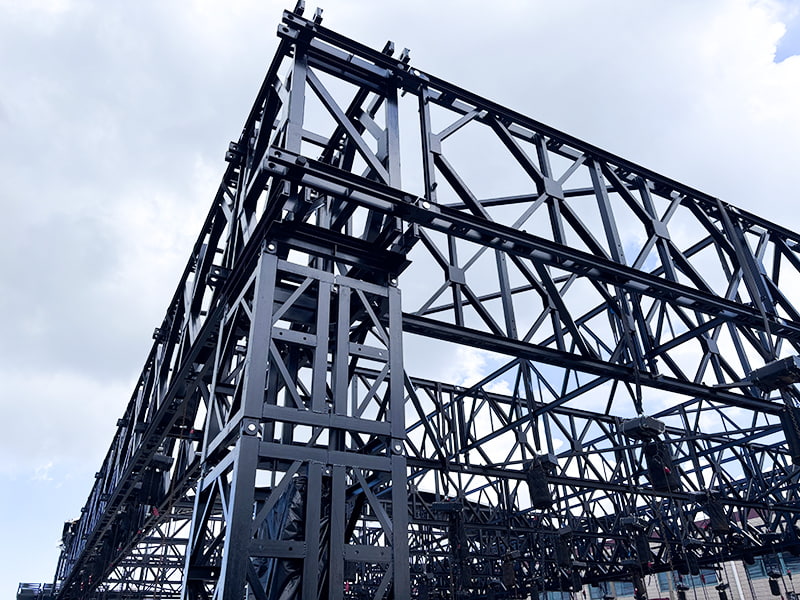
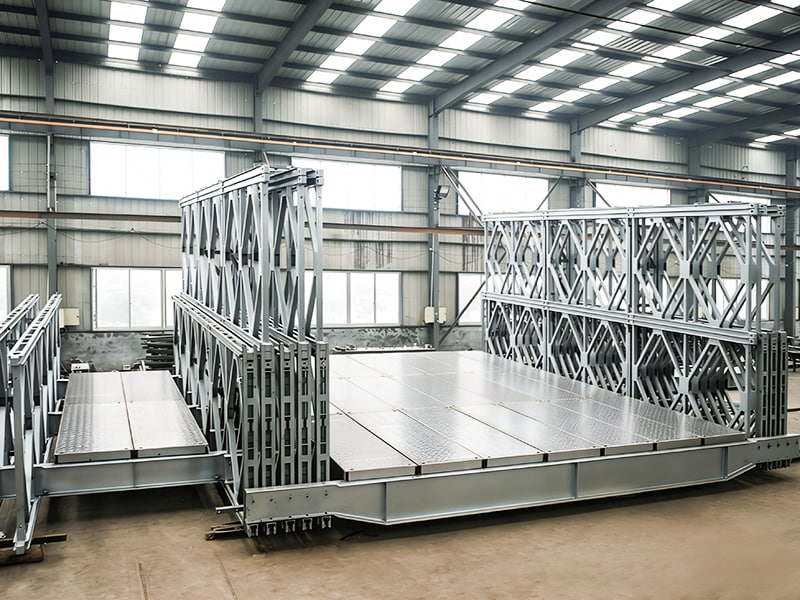
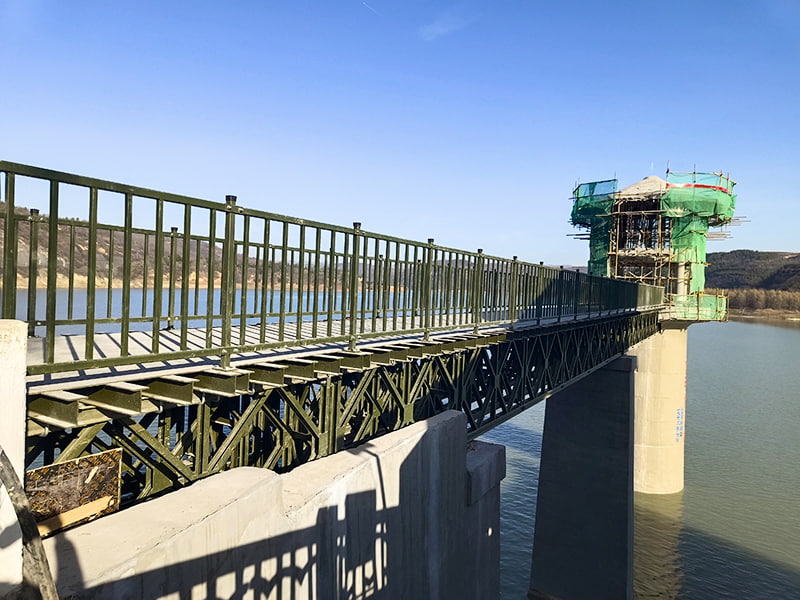
Modern infrastructure projects, military logistics operations, and disaster response efforts all rely on one category of bridge equipment that can be transported, assembled, and put into service faster than almost any conventional structure: the modular panel bridge, more commonly known by its original name, the Bailey bridge. Bailey bridge design is built around interchangeable steel panels that bolt together on site, which is why bailey bridge construction can move from delivery to a load-bearing crossing in days rather than months. Understanding how bailey bridge parts and bailey bridge components work together, how a complete bailey bridge system is engineered for different spans and loads, and where a modular bailey bridge solution makes the most sense operationally is essential knowledge for engineers, procurement teams, and site managers alike.
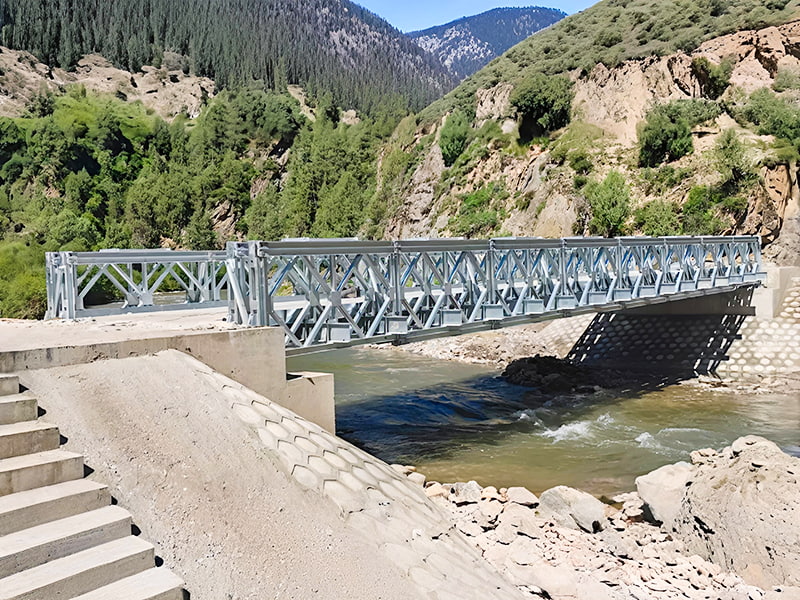
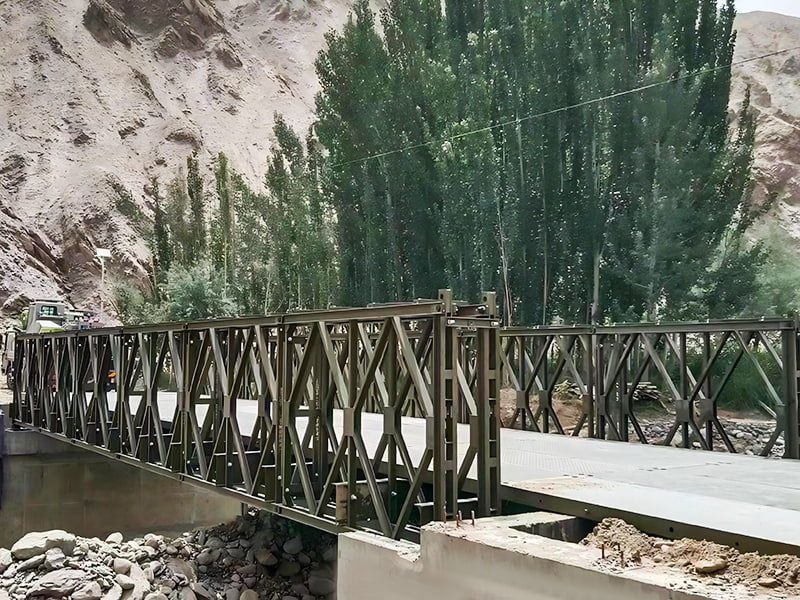
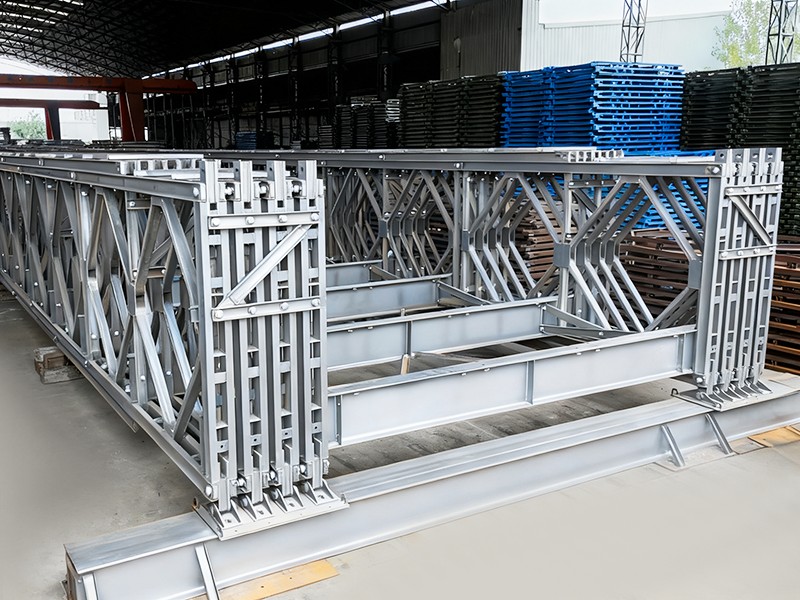
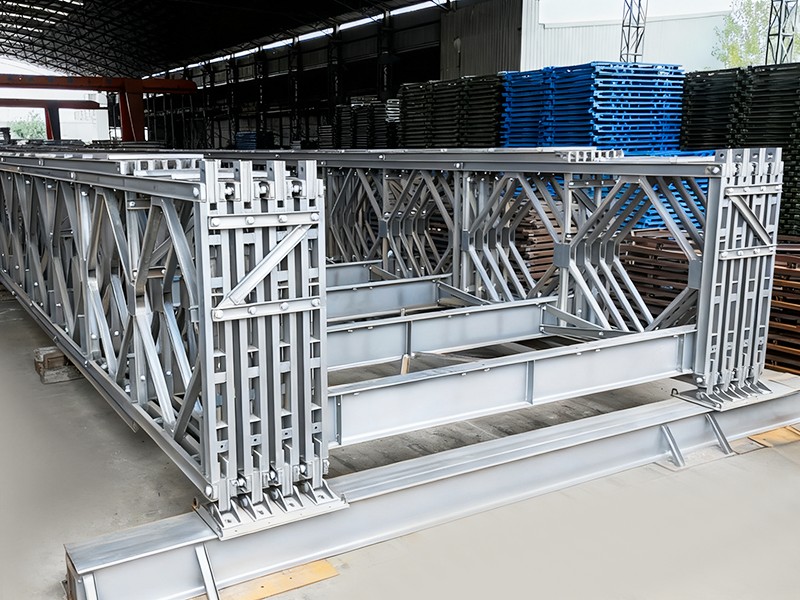
Operating out of Zhenjiang, Jiangsu Province — one of China's most important industrial and transportation hubs — our teams approach every bailey bridge design decision as a balance between span length, load class, and site accessibility. A Bailey structure is built from repeating truss panels, and the way those panels are stacked and paired directly determines how much weight the finished crossing can carry. Single-panel configurations suit shorter spans and lighter loads, while double or triple panel arrangements, reinforced with additional chords, extend both the safe span and the carrying capacity. This modularity is the defining engineering advantage of the format: the same base panel can be reconfigured into dozens of load-and-span combinations without redesigning the structure from scratch.
The chart below illustrates the general relationship between panel configuration and relative load capacity, a pattern that guides how engineers select a configuration for a given crossing.
In practice, this means a piece of bridge equipment is never a single fixed product — it is a design system that gets tailored to the crossing, and that flexibility is exactly what makes modular panel bridges useful across so many different project types.
A complete bailey bridge parts inventory is smaller than most people expect, which is part of the design's appeal — a limited set of standardized bailey bridge components can be combined in many ways. With deep roots in the bridge equipment industry, Zhonghai integrates engineering design, precision manufacturing, quality governance, and on-site support capabilities into every set of components we produce, so that panels, connecting pins, and load-bearing elements from the same batch fit together consistently on site without rework.
| Component | Function |
|---|---|
| Panel | Main truss unit; repeated to build span length and stacked to add load capacity |
| Chord | Reinforcement bolted along panel edges to increase strength for heavier configurations |
| Transom | Cross-beam that transfers deck load from the roadway into the panel trusses |
| Rocker and bearing | Support units at each end that transfer the full assembled load onto the abutment |
| Launching nose | Lightweight lead section used to push the bridge across a gap during assembly |
| Chess and stringers | Deck planking and support beams that form the actual driving or walking surface |
| Pins and bolts | Connecting hardware joining panels and chords into a single rigid structure |
Because each part is standardized, replacement or expansion of an existing structure rarely requires a custom order — a spare panel or transom from the same specification family will integrate directly into the existing assembly.
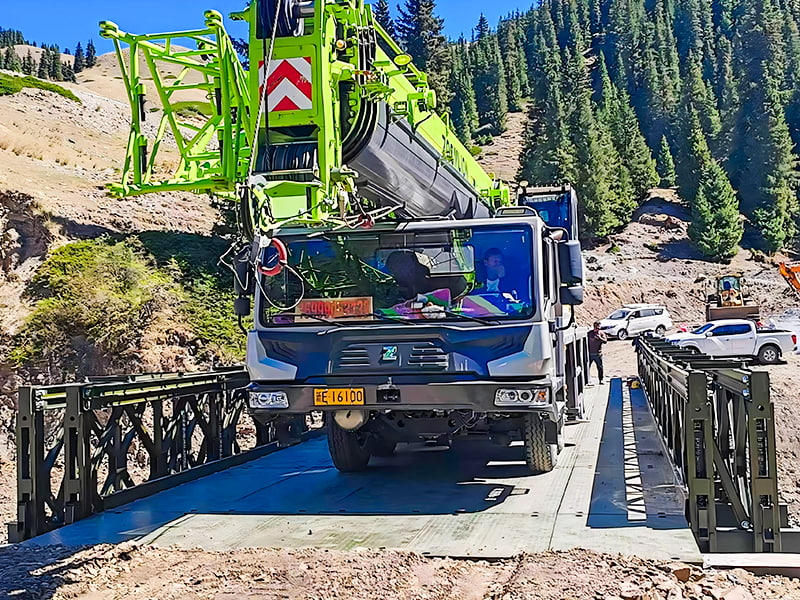
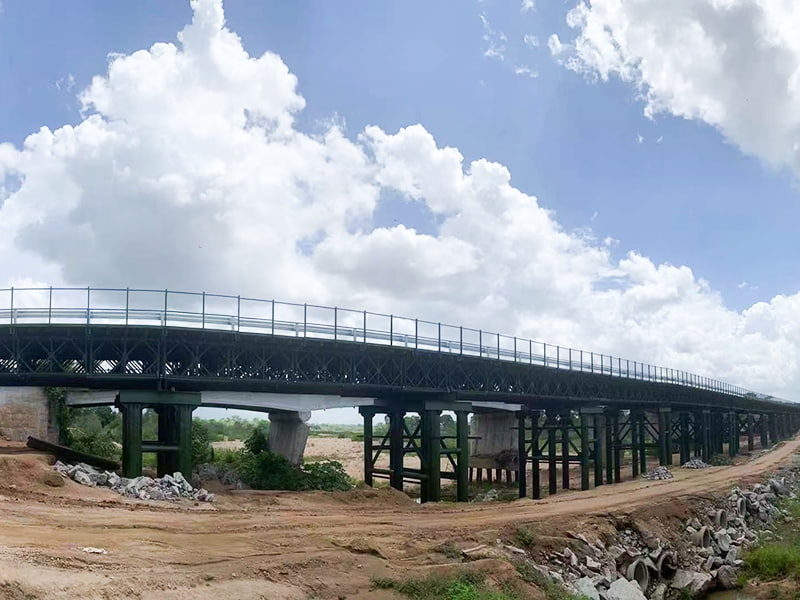
Most bailey bridge construction projects follow a similar sequence: abutment preparation, panel assembly on rollers behind the gap, incremental launching using a lightweight nose section, and finally decking and guardrail installation once the structure reaches the far bank. Because panels are bolted rather than welded, most of the work can be done by a trained crew with basic lifting equipment rather than heavy specialized machinery, which is a major reason modular panel bridges remain the standard choice for rapid-deployment crossings.
Site conditions still matter more than the chart alone suggests — soft ground, restricted access for launch rollers, or the need for temporary piers can all extend the schedule. This is one reason on-site support capability, not just component supply, is part of how bridge equipment is delivered to transportation, water conservancy, military logistics, disaster relief, and international development clients.
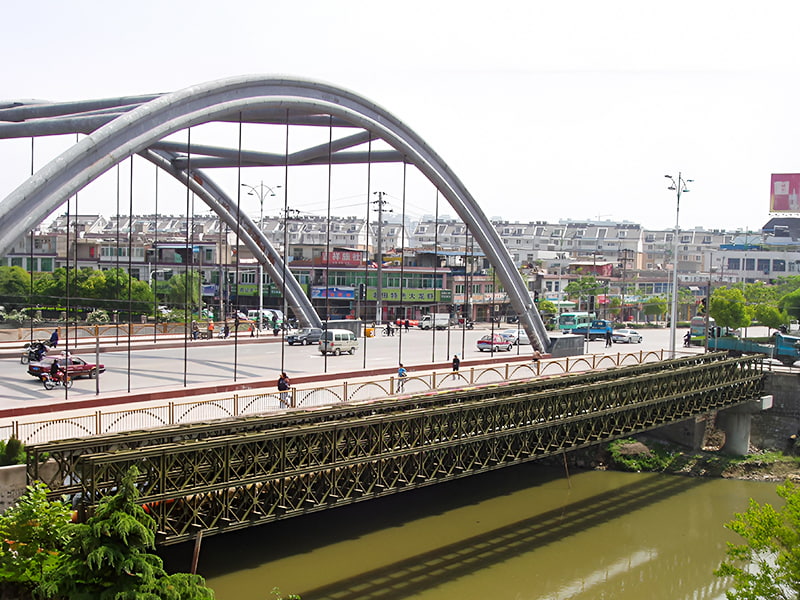
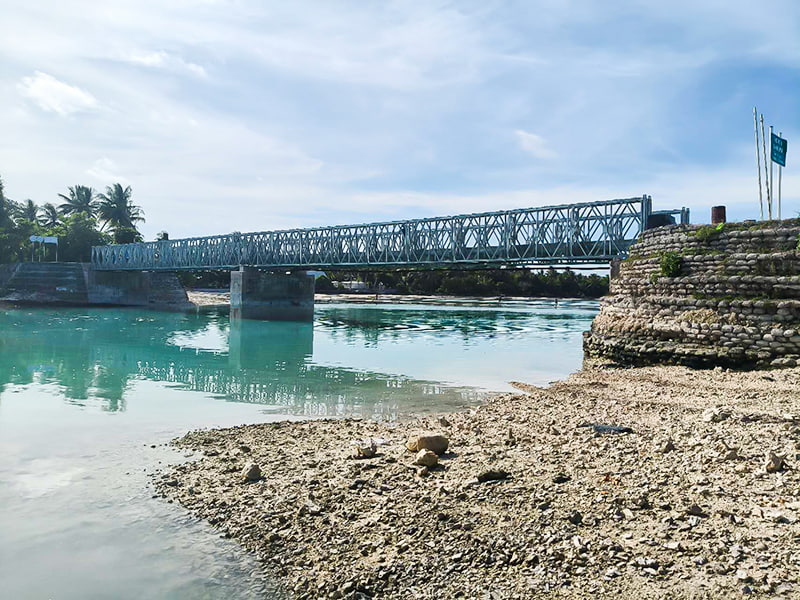
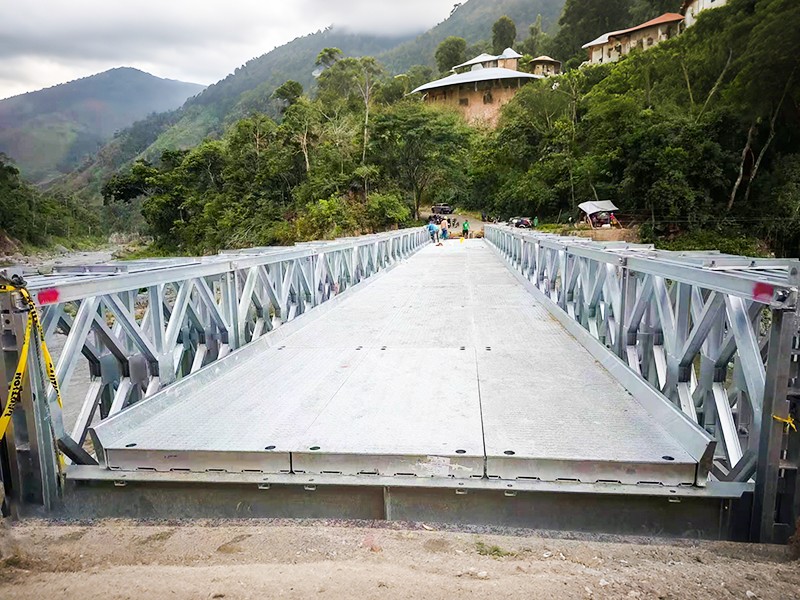
Not every crossing needs the same bailey bridge system, and the reasons a project team chooses a modular bailey bridge solution differ by sector. A permanent transportation upgrade prioritizes long-term load rating; a disaster relief deployment prioritizes speed of assembly above almost everything else; a military logistics operation prioritizes transportability and rapid reconfiguration.
As a manufacturer recognized for industrial-scale manufacturing capacity, technical expertise, and consistent international delivery performance, Zhonghai supplies bridge equipment configured for exactly this range of sectors — transportation, water conservancy, military logistics, disaster relief, and international development — rather than a single standardized product built for only one use case.
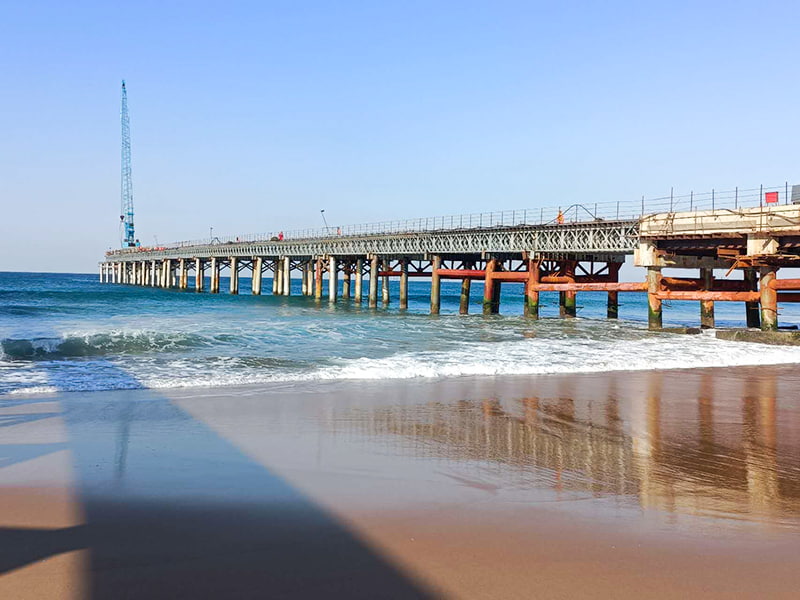
Modular panel bridges are frequently used as long-term crossings rather than purely temporary fixes, provided components are inspected and maintained. Many installations remain in productive use for decades because individual panels or hardware can be replaced without rebuilding the whole span.
Yes. Because the panel configuration is modular, an existing single-panel structure can often be reinforced to a double or triple configuration by adding chords and panels, rather than dismantling and replacing the entire crossing.
Three factors drive the panel count: span length, expected load class, and available launch space. Longer spans need more panels lengthwise, heavier loads need more panels stacked or doubled, and tighter sites may require a shorter launching nose and more careful sequencing.
Panels and hardware are sized to be handled by small teams or standard lifting equipment, which is why this format is favored for locations without cranes or paved access — a key requirement in disaster relief and military logistics contexts.
A trained crew can assemble a modular panel bridge without heavy civil works expertise, though supervision from an experienced team reduces assembly time and helps confirm the correct configuration was used for the intended load class.

Product Category
Bailey Bridge/Modular Bridge Modular Steel Bridge Pedestrian Bridge Modular Pipe Bridge Truss Bridge Steel StructureContact Us


Copyright © Jiangsu Zhonghai Bridge Equipment Co., Ltd. All
Rights
Reserved
OEM bailey bridge parts supplier
bailey bridge design supplier
